The Best Techniques for Stress Reduction and Mindfulness

Feeling overwhelmed by stress? Mindfulness can provide relief. This article explores how stress reduction and mindfulness go hand-in-hand. You’ll discover practical techniques to manage stress and enhance mental clarity.

Key Takeaways

  • Stress triggers a physiological fight-or-flight response, which can lead to chronic health issues when activated by everyday stressors.

  • Mindfulness practices, such as meditation and intentional breathing, are effective techniques for reducing stress and enhancing mental well-being.

  • Incorporating mindfulness into daily routines, through practices like mindful eating and walking, can significantly improve stress management and overall quality of life.

Understanding Stress and Its Impact

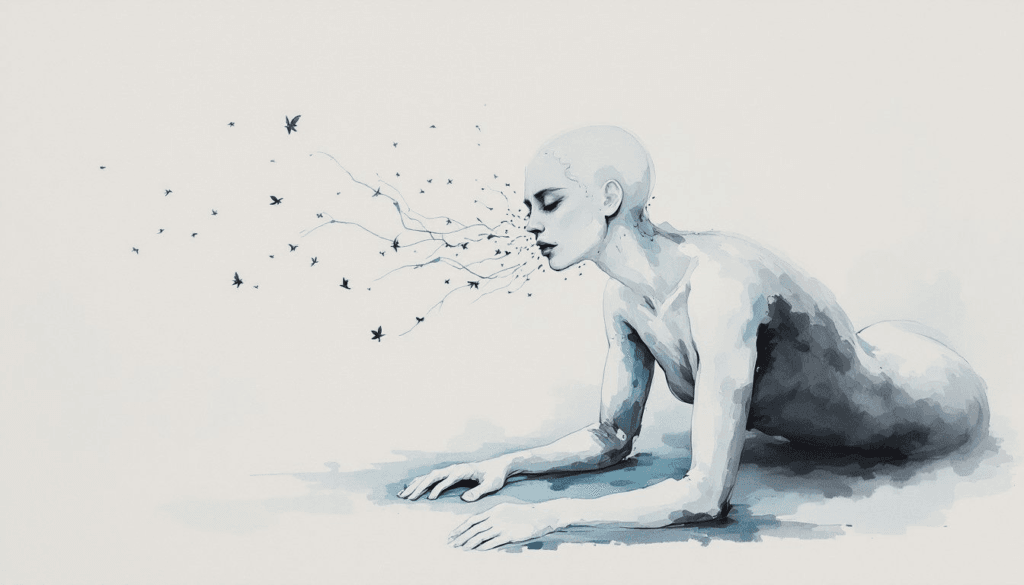
An illustration depicting the impact of stress on the human body.

The reaction of the body to any change requiring a response or adaptation impacts both mental and physical well-being, known as stress. The fight-or-flight response is triggered when we experience perceived stress, equipping our physiology for potential threats.

This survival mechanism can lead to harmful consequences if it’s continuously activated by day-to-day pressures rather than life-threatening emergencies.

What Is Stress?

Stress is a natural response of the body to a perceived threat or challenge. It is a complex physiological and psychological reaction that involves the activation of the body’s “fight or flight” response, also known as the sympathetic nervous system. When we encounter stress, our body releases stress hormones such as cortisol and adrenaline, which prepare us to either confront or flee from the perceived threat.

While this response is crucial for survival in dangerous situations, chronic stress can have detrimental effects on our mental and physical health. Prolonged exposure to stress can lead to anxiety, depression, and cardiovascular disease, among other health issues. Understanding how stress impacts our well-being is the first step in learning how to manage it effectively.

The Body's Response to Stress

The body initiates a series of physiological changes in response to stress, priming itself for either confrontation or escape from what it perceives as danger. This fight-or-flight mechanism results in the secretion of hormones such as adrenaline and cortisol, which raise both heart rate and blood pressure. Central to activating this stress response is the amygdala, an emotion-processing region within the brain. A study focused on three stress response variables illustrates how these variables impact individuals’ ability to manage stress effectively.

Beneficial these reactions are when facing immediate perils, they pose potential health risks when provoked by daily stressors over time. Persistent stress puts the body on continuous alertness leading to chronic conditions including elevated blood pressure (hypertension), cardiac issues, and weakened immune defenses.

Chronic Stress: Symptoms and Effects

Enduring and consistent stress, known as chronic stress, may provoke a range of mental and physical health complications. Symptoms commonly manifest as anxiety, irritability, or depression. High levels of cortisol sustained by ongoing stress can precipitate grave conditions such as obesity, cardiovascular disease, and diabetes.

Stress Reduction And Mindfulness

To affect the body’s well-being, chronic stress exerts severe impacts on neural structures, including diminishment in critical brain regions like the hippocampus and prefrontal cortex—vital for memory formation and executive function—and an increase in size of the amygdala, which increases emotional reactivity. This creates a significant difference in our cognitive abilities.

The perpetual cycle of high-stress impairs individual efficiency across various aspects: work productivity plummets while innovation stifles. Life satisfaction wanes under its weight. It is imperative to discover proficient methods to manage this unyielding pressure effectively so that one’s ability to reduce stress becomes enhanced.

How Mindfulness Can Help Reduce Stress

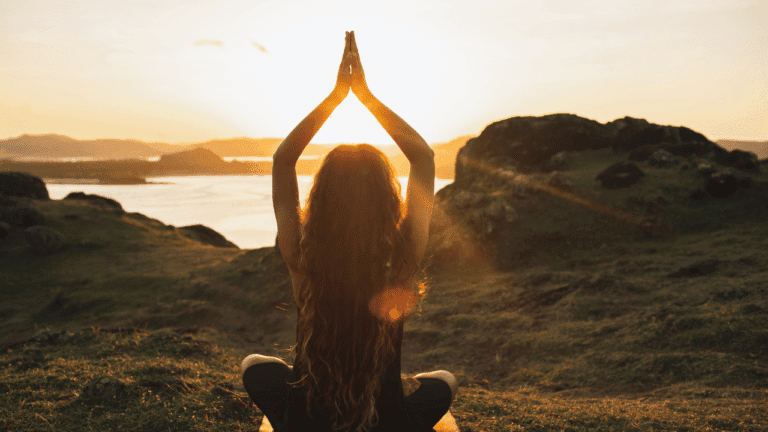
A serene scene illustrating mindfulness meditation for stress reduction.

Mindfulness practice cultivates heightened awareness of the present moment, effectively reducing stress and elevating happiness, thereby promoting positive emotions. Present moment awareness involves focusing on current experiences rather than being preoccupied with the future or past, and it has numerous health benefits, such as reduced stress, anxiety, and improved well-being, supported by research findings. By training one’s mind to concentrate on the here and now, mindfulness based cognitive therapy along with other mindfulness based therapies enable better management of automatic responses to stress.

The objective of mindfulness meditation is to develop a sense of serenity and clear-headedness that lessens the toll that stress can take on mental and physical health. Additionally, mindfulness helps us break free from the cycle of stress and anxiety. Individuals with strong present-moment awareness tend to rely on their core values to cope with stress, emphasizing the importance of these values in navigating challenging situations.

What Is Mindfulness?

Mindfulness is the practice of being fully present in the moment, paying attention to our thoughts, feelings, and physical sensations without judgment or distraction. It involves cultivating a non-judgmental awareness of the present moment, often through meditation or other mindfulness practices. By focusing on the here and now, mindfulness helps us break free from the cycle of stress and anxiety.

Research has shown that mindfulness has numerous benefits for both physical and mental health. It can reduce stress, anxiety, and depression, improve sleep, enhance mood, and boost overall well-being. By integrating mindfulness into our daily lives, we can develop a greater sense of peace and balance.

Mindfulness Meditation Techniques

Techniques of mindfulness meditation serve as potent means for alleviating stress. Concentrating on one’s breath is a basic approach, where attention to the act of breathing and the gentle guidance of focus back when thoughts drift bolster awareness in the present moment. Engaging in body scan meditation helps individuals notice bodily sensations from head to toe, aiding both relaxation and conscious presence.

By employing these practices, individuals can diminish their stress levels through an enhanced capacity to address rather than impulsively react to stressful circumstances. The exercise known as ‘Simply Watching,’ which entails impartially noticing one’s thoughts without forming attachments or making judgments about them, cultivates an attitude that is less reactive by nature.

Research on Mindfulness-Based Interventions

The Mindfulness-Based Stress Reduction (MBSR) program is a structured eight-week course designed to teach participants mindfulness techniques that help in coping with everyday stressors. Jon Kabat-Zinn created MBSR with the goal of enhancing psychological health by applying scientifically-supported methods to conventional mindfulness practices. Studies show this approach effectively diminishes symptoms of anxiety, depression, and general stress, especially among those working in healthcare.

Those who complete the MBSR training often experience enduring enhancements in their mental wellbeing, reporting less emotional fatigue and heightened levels of self-compassion. While there have been some studies yielding insignificant results concerning burnout reduction, the aggregate data affirms the efficacy of mindfulness strategies for stress management and betterment of mental health outcomes. Current research continues to shed an optimistic light on these advantages.

Practical Mindfulness Exercises for Stress Reduction

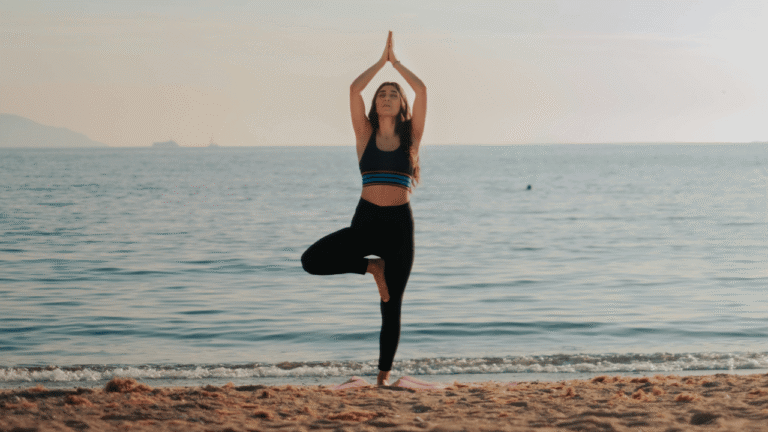
An image showing various practical mindfulness exercises for stress reduction.

Integrating mindfulness practices into your daily schedule can significantly transform your approach to managing stress through increased awareness. These convenient methods are tailored for effortless inclusion in routine tasks, allowing you to achieve and sustain serenity and concentration despite the hustle and bustle of contemporary living.

Intentional Breathing Practices

Utilizing intentional breathing, which accentuates the natural flow of breaths, is an effective stress-reducing technique. Intentional breathing eases stress by activating the parasympathetic nervous system, which triggers the relaxation response. By placing your hands on both your chest and abdomen to feel the impact of respiration throughout your body, you can become more attuned to its rhythm. Engage in several deep inhalations and exhalations before allowing yourself to resume breathing normally. Observe how a sense of tranquility ensues. This method demonstrates that purposeful breathwork can alleviate stress by activating the parasympathetic nervous system, which facilitates relaxation.

To counteract the adverse effects of stress swiftly, try engaging in a brief exercise known as the 2-Minute S.T.O.P. practice. Taking a deliberate pause allows you to connect with the present moment effectively interrupting ongoing patterns of stress-related response while fostering control over what’s commonly termed ‘stress breath.’

Deep Inhalations and Exhalations

Deep inhalations and exhalations are a fundamental component of mindfulness meditation. When we breathe deeply and slowly, we can calm both the body and mind, effectively reducing stress and anxiety. Deep inhalations help to slow down our heart rate, lower blood pressure, and promote relaxation. Exhalations, on the other hand, help to release tension and stress, fostering a sense of calm and well-being.

Incorporating deep breathing exercises into your daily routine can have profound effects on your mental and physical health. By practicing deep inhalations and exhalations, you can create a state of relaxation that supports overall well-being.

Exhalations and Resume Breathing

Exhalations play a crucial role in the breathing process, particularly in stress relief. When we exhale, we release tension and stress, allowing our body to relax. After a deep exhalation, resuming normal breathing can help us feel more calm and centered. This process can effectively interrupt the stress cycle, promoting a sense of calm and well-being.

By focusing on exhalations and then resuming normal breathing, we can create a powerful tool for managing stress. This simple yet effective technique can be practiced anywhere, anytime, helping us maintain a state of relaxation and balance throughout the day.

Body Scan Meditation

During a body scan meditation, you direct your attention sequentially to various regions of your physique, tuning in to any sensations you perceive without passing judgment. Engaging in this exercise can facilitate the relaxation of each bodily segment and enhance awareness of the present moment. A study involving a body scan group found that participants who engaged in a guided meditation focused on physical sensations experienced significant stress reduction compared to a control group.

A standard session for performing the body scan lasts approximately 20 minutes. Throughout this period, it is common to identify and concentrate on areas that are tense or experiencing discomfort with an aim towards easing these sensations.

Mindful Movement and Yoga

Practices that involve mindful movement, such as yoga, are known to have a beneficial impact on relaxation and the reduction of stress. Poses in yoga that stand out for their stress-relieving properties include forward bends and child’s pose, especially when performed before sleeping.

By combining physical exercise with mindfulness techniques, these activities contribute to improving one’s mental and physical health.

Strategies to Manage Stress Daily

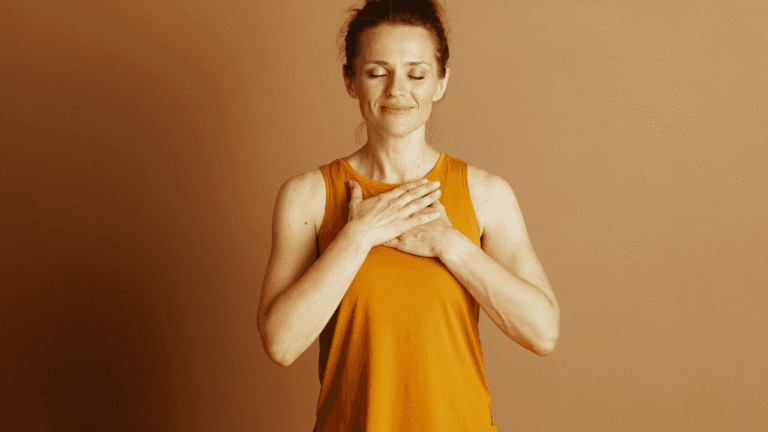
A visual guide to daily stress management strategies.

Incorporating mindfulness practices into your everyday routine, such as mindful eating and walking, can greatly improve stress management and boost your general well-being. These simple techniques can turn ordinary tasks into chances for being mindful.

Mindful Eating and Walking

Engaging in mindfulness while dining requires closely observing the sensory pleasures associated with consuming food. By employing this technique, one can amplify their appreciation for meals, improve digestion, and cultivate a stronger bond with the here and now.

In parallel, meditation while walking entails syncing your breathing pattern to your stride and remaining conscious of how your body feels during the process of ambulation.

Reducing Multitasking

Concentrating on one task at a time can enhance efficiency and decrease stress. By dedicating full attention to individual tasks, one can avoid feeling swamped and increase productivity while also cultivating an atmosphere of tranquility and mastery over their work.

Relaxation Techniques Before Bed

Utilizing relaxation methods prior to sleeping can greatly assist in controlling stress levels and enhancing the quality of your sleep. Activities like enjoying soothing tunes or engaging in deep breathing routines can prime both your mind and body for a tranquil rest.

Implementing these techniques helps diminish stress and facilitates a serene shift into sleep time.

Guided Meditations and Resources

A collection of guided meditation resources for mindfulness.

Guided meditations offer structured practices designed to improve mindfulness and meditation, which are research-proven methods for reducing stress. These tools are beneficial in assisting both novice and seasoned practitioners.

Recommended Guided Meditations

The 10-minute guided body scan meditation led by Greg de Vries is a favored selection among individuals aiming to alleviate stress. Alternatively, the guided body scan meditation offered by Michael Sealey spans 30 minutes and can be obtained for download both on his official website and through iTunes.

Employing these structured meditations lends assistance in seamlessly blending mindfulness practices into your everyday schedule.

Online Mindfulness Programs

Those seeking to expand their mindfulness practice can find an array of extensive resources through online programs. The self-paced Palouse Mindfulness course, inspired by the teachings of Jon Kabat-Zinn, delivers a detailed methodology for engaging in mindfulness.

These offerings are not only flexible but also readily accessible, serving as optimal tools for individuals pursuing stress reduction techniques.

Summary

To summarize, mindfulness provides a robust collection of techniques that are instrumental in diminishing stress and elevating one’s general state of health. Recognizing the detrimental effects that stress can have and adopting daily mindfulness exercises can pave the way to a life marked by better balance and improved health. Techniques such as purposeful breathing, body scan meditations, or utilizing guided materials give you control over your stress levels and work to improve your overall life experience. Embark on the path of mindfulness now and uncover the remarkable benefits of embracing life with full presence in each moment.

Frequently Asked Questions

What is the fight-or-flight response?

The fight-or-flight response is the body’s instinctive reaction to perceived threats, characterized by the release of stress hormones that prepare an individual to either confront or escape danger.

This physiological reaction is crucial for survival in threatening situations.

How does chronic stress affect physical health?

Prolonged exposure to stress can severely impact one’s physical well-being, increasing the likelihood of developing conditions such as obesity, heart disease, diabetes, and a diminished immune system.

To reduce these health hazards, it is essential to implement effective stress management strategies.

What is Mindfulness-Based Stress Reduction (MBSR)?

Mindfulness-Based Stress Reduction (MBSR) is an eight-week program created by Jon Kabat-Zinn that aims to teach mindfulness techniques for effectively managing stress and enhancing psychological well-being.

It offers practical tools to cope with daily challenges and improve overall mental health.

How can intentional breathing practices help with stress?

Practices of deliberate breathing are successful in diminishing stress as they trigger the parasympathetic nervous system, which encourages a relaxed state.

These practices enable people to have better control over their stress levels.

Are there any online resources for learning mindfulness?

Yes, the Palouse Mindfulness course is a valuable online resource for self-directed learning in mindfulness. It provides comprehensive materials to help individuals practice mindfulness effectively.

Benefits of Prayer and Healing
Discover the Benefits of Prayer in Daily Life
Benefits of Prayer in Daily Life. Prayer is a powerful practice that shapes daily life by helping people connect with a higher power, seek guidance, and encourage spiritual growth. It can bring solace in hard times, help you face challenges with greater clarity, and give a stronger sense of purpose and understanding. For readers who prefer evidence-based context, research suggests regular spiritual practice can improve emotional well‑being and reduce stress (see linked overview for more). Prayer offers several practical benefits for overall well‑being: it can calm the mind, foster gratitude, and strengthen faith or a sense of meaning—whether you approach it as a religious devotion or a contemplative habit. Some traditions describe prayer as inviting the presence of the Holy Spirit or a felt sense of divine comfort; for a broader audience, these experiences can also be described as moments of deep peace and spiritual connection. Try a brief daily prayer or reflection today and notice one small shift in perspective. Key Takeaways:Prayer allows us to connect with a higher power and seek guidance. It promotes spiritual growth and a deeper relationship with God. Prayer brings inner peace and emotional well-being. It helps us overcome challenges and find purpose in our lives. Through prayer, we can experience personal miracles and the presence of the Holy Spirit.Prayer and Mental HealthNumerous studies and reviews indicate that prayer and other spiritual practices can support mental health by reducing stress and improving emotional well-being. Prayer functions much like meditation for many people: it helps quiet the mind, refocus attention, and create a dependable moment of calm during a busy day. While research often shows correlations rather than definitive causation, controlled studies and neuroscience reviews report links between regular contemplative practices and improved mood, greater resilience, and lower perceived stress. When people turn to prayer, they often find a safe space to name fears and worries, which can reduce anxiety and promote a more positive outlook. Prayer can also reinforce a sense of meaning and purpose—an important protective factor for mental health and for coping during difficult times.“Prayer is the key that unlocks all the storehouses of God’s infinite grace and power.” – R. A. TorreyNeuroscience research on contemplative practices (including prayer and meditative prayer forms) reports activity changes in brain areas tied to compassion, emotional regulation, and self-referential processing; some studies also note reductions in activity linked with rumination and anxiety. Where available, cite peer‑reviewed sources in the rewrite to avoid overstating effects: present findings as evidence of potential benefit rather than guaranteed outcomes. Prayer often becomes a source of strength during stressful periods, helping individuals cope with difficult emotions and maintain perspective. It can foster trust (in a higher power, in a process, or in one’s own capacity to endure) and provide social and spiritual resources that support recovery from setbacks. Prayer and Stress Reduction One measurable benefit many people report is reduced stress. Prayer operates as a meditative practice: focusing attention, slowing breath, and encouraging a shift away from immediate worry. Research in psychoneuroimmunology suggests that such practices can lower markers of stress in some people—studies have observed reductions in cortisol and improved subjective reports of calm after regular contemplative practice. Be careful to present these findings as conditional and cite specific studies when rewriting. To try this yourself, experiment with a short, evidence‑informed exercise: a 3–5 minute breathing prayer. Sit quietly, breathe slowly for six breaths, and on each exhale say a short phrase (e.g., “peace,” “help me,” or a brief line of gratitude). Repeat for several minutes and notice shifts in your mind and body—this simple routine takes little time but can help reduce anxiety and center the mind.“Prayer does not change God, but it changes him who prays.” – Søren KierkegaardMental and emotional well‑being are closely linked. Regular prayer or contemplative practice can contribute to steadier moods, better stress management, and improved coping. When including claims in the final article, add inclusive language to show these benefits are reported across faiths and by nonreligious people who practice contemplative prayer or similar routines. Benefits...

Spiritual Books
Discover Transformative Spiritual Books for Inner Peace
Start a transformative journey of self-discovery with spiritual books. These books offer practical wisdom...

Itchy Fingers Spiritual Meaning
Itchy Fingers Spiritual Meaning: Insights & Interpretations
Itchy Fingers Spiritual Meaning, have you ever felt an itch on a single finger and wondered if it meant...
Spiritual Awakening
Spiritual Awakening: Discovering Your True Nature and Inner Essence
We often look inward for spiritual meaning. This inward search is the start of a spiritual awakening...
prayer for Self-Awareness
Deepen Self-Awareness with Powerful Prayers
A prayer for self-awareness can be a practical way to encourage personal growth and inner transformation....
Share your love

Leave a Reply

Your email address will not be published. Required fields are marked *