Understanding Ase Spiritual Meaning and Significance

Ase Spiritual Meaning — Explore the Ase Spiritual Meaning and its place in living traditions. Often written in Yoruba as àṣẹ (pronounced “AH-shay”), ase refers to a vital life force and creative energy that empowers words, actions, and intentions. Rooted in Yoruba culture, this concept describes the power that connects people, ancestors, and the wider spiritual world.
While interpretations vary, ase commonly includes ideas of power, manifestation, good fortune, destiny, and purity. It is both a personal and communal force—guiding choices, shaping outcomes, and reminding us of the interconnectedness of all things.
Key Takeaways:
- Ase symbolizes the life force and energetic power present in people, objects, and rituals.
- Recognizing àṣẹ can deepen how we relate to spiritual practice and the living world.
- Ase carries multiple meanings — from manifestation and luck to moral and ritual purity — depending on context.
- Its origins are in the Yoruba cultural and religious traditions of Nigeria; reputable sources (anthropology and oral histories) provide further reading.
- Ase functions through words and actions, acting as a bridge between humans and ancestors when used in respectful practice.
Historical and Cultural Origins of Ase in Spiritual Practices
Ase (often written in Yoruba as àṣẹ, pronounced “AH-shay”) is a central concept in Yoruba religion and culture, where it denotes a vital life force and the capacity to make things happen through words, actions, and ritual. Anthropologists and oral historians trace the concept through centuries of Yoruba practice, where àṣẹ functions as both personal power and a communal resource that shapes everyday life.
Rather than a single, fixed definition, ase is a flexible concept: a force that animates living beings, objects, and ceremonies. In ritual contexts, àṣẹ is invoked to bless endeavors, secure protection, or call forth desired outcomes; in social life, it helps structure relationships, leadership, and moral responsibility.
Role of Ase in Spiritual Practices and Belief Systems
Within Yoruba cosmology, ase channels spiritual power and connects humans to deities (òrìṣà) and ancestors. It is expressed through spoken formulas, songs, offerings, and acts that carry intention. This concept of power is embedded in the yoruba language and cultural norms, where specific words and rites are believed to transmit àṣẹ and produce real-world effects.
Scholarly sources (see recommended reading) highlight that while similar ideas about spiritual efficacy exist across West African traditions, àṣẹ is distinctively articulated in Yoruba thought. Treat references to “various African traditions” carefully—cite particular examples rather than generalize when possible.
The Significance of Ase in Today’s Spiritual Journey
At the present time, àṣẹ continues to inform both traditional practice and contemporary spiritual expressions among the Yoruba and diaspora communities. People draw on this concept to foster resilience, ethical action, and communal cohesion. For outsiders approaching àṣẹ, respectful study and guidance from knowledgeable practitioners are essential to avoid misinterpretation.
Recommended reading: For deeper context consult academic works on Yoruba religion and ethnographies that document àṣẹ in practice (anthropology texts and oral-history collections). These sources provide reliable foundations for understanding how àṣẹ functions as a life-giving force and moral concept.
Ase Spiritual Meaning and Spiritual Communication
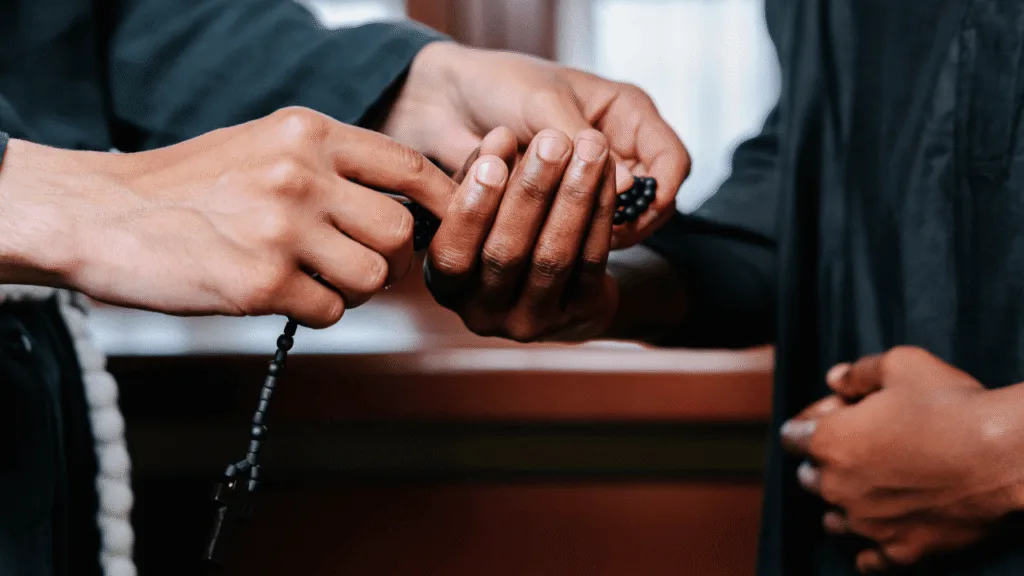
Ase functions as a practical force and energy that facilitates spiritual communication: when words, songs, offerings, or rites are performed with intention, they are believed to carry àṣẹ and open channels to ancestors, deities, and other unseen powers. Rather than a literal language, ase is the efficacy that gives ritual speech and action the power to affect the world.
Different communities and practitioners interpret how ase operates — some describe it in relational or gendered terms, while others emphasize its neutral, animating quality. For readers exploring these ideas, note that interpretations vary by lineage and context; consult knowledgeable practitioners before adapting ritual forms.
| Benefits of Ase in Spiritual CommunicationHow to Connect with Spiritual Entities through Ase |
- Facilitates guidance and wisdom by aligning intention and action
- Opens channels for support from ancestors and òrìṣà
- Strengthens connection with the spiritual realm through consistent practice
- Enhances intuition and inner knowing when one pays attention over time
- Offers clarity and insight as intentions become focused
- Create a respectful, quiet sacred space and acknowledge lineage or teacher
- Set clear intentions and speak simple, honest words that reflect your purpose
- Use focused meditation or prayer to center attention and cultivate receptive energy
- Watch for signs, synchronicities, and responses over time rather than expecting immediate results
- Offer thanks and maintain ethical behavior as part of ongoing practice
Example practice (simple, respectful): offer a small libation or spoken gratitude to ancestors, say a brief affirmation in plain words, then sit in quiet listening for a few minutes. This modest approach honors ase’s role as the power in words and acts while avoiding appropriative ritualization. For guided exercises and pronunciation audio, see related resources on this site.
Ase in Personal Faith and Spirituality

In personal faith, ase (Yoruba: àṣẹ) is experienced as a directing force that links beliefs, actions, and the world around us. When people intentionally use words and ritual acts, they are said to activate àṣẹ—the energy that can support purpose, transformation, and moral responsibility in daily life.
The concept emphasizes interconnectedness: life and community are woven together by shared obligations, offerings, and speech acts that carry power. Cultivating ase can mean practicing small, regular habits—expressing gratitude, offering mindful service, or speaking honest intentions—that build alignment between inner purpose and outward action.
Respectful example practices (simple, non-appropriative): a brief morning affirmation spoken aloud, a small offering or libation to honor ancestors, or a moment of silence before a decision to center intention. These modest practices honor the role of words and deeds in transmitting àṣẹ without presuming access to specialist rites.
| Ase in Personal Faith and SpiritualityBenefits | |
| Provides a deep connection with personal beliefs | Offers a sense of purpose and empowerment |
| Recognizes interconnectedness and balance | Fosters personal growth and inner peace |
| Invites exploration and spiritual understanding | Enhances guidance and resilience |
Note on cultural respect: àṣẹ is rooted in Yoruba language and social life; learners should seek guidance from community elders or reliable sources when engaging with practices. Approaching àṣẹ with humility preserves its cultural meaning while allowing its insights—about vitality, manifestation, and ethical action—to inform personal spiritual growth.
Conclusion
Ase Spiritual Meaning — In summary, ase (Yoruba: àṣẹ) is a lived concept that points to a directing life force and the power in words, actions, and ritual. Understanding àṣẹ can deepen personal spiritual practice by highlighting how intention, ethical action, and community ties shape outcomes and meaning in life.
Àṣẹ functions as guidance and affirmation: it emphasizes interconnectedness and balance, encouraging practices that foster personal growth, inner peace, and a stronger relationship with the world. While contemporary interpretations vary, the concept consistently centers on vitality, manifestation, and moral responsibility.
Approach àṣẹ with respect: learn pronunciation (AH-shay), consult reputable sources, and seek guidance from community elders or knowledgeable practitioners before adopting specific rituals. For further study, see the recommended readings and resources linked on this site.
FAQ
What does Ase mean spiritually?
What is the significance of Ase in spirituality?
How does Ase contribute to spiritual communication?
How does Ase relate to personal faith and spirituality?
How can understanding Ase enhance spiritual enlightenment?

What Does Yellow Mean Spiritually Yellow is a radiant color with rich spiritual meaning: it commonly symbolizes joy, light, and mental positivity. Spiritually, yellow is linked to the solar plexus chakra and the intellect, and is often associated with self-confidence, creativity, and wisdom. Like any symbol, yellow can have a shadow side too—it may represent anxiety, jealousy, or timidity in some contexts. The color appears across dreams, love, personality profiles, and feng shui practices, and when used intentionally in daily life (for example, wearing a yellow scarf, adding a sunny accent pillow, or spending time in sunlight) it can support feelings of energy, learning, and fresh starts. Read on to explore yellow’s cultural history, dream meanings, role in relationships and personality, and practical feng shui uses.
Key Takeaways:Yellow represents joy, light, and mental positivity.
It symbolizes spontaneity, youthfulness, creativity, and wisdom.
Yellow can hold different symbolic meanings in dreams, love, personality, and feng shui.
Bringing more yellow into your life spiritually—through color, light, or decor—can foster action, learning, and new beginnings.
Yellow is associated with the solar plexus chakra, influencing self-worth, authenticity, and confident expression.Yellow Symbolism in History and Culture
Yellow has played an important role across many cultures, carrying layered symbolic meanings that range from material wealth to spiritual light. In ancient religious and court contexts the color often signified opulence, abundance, and prestige—worn by elites or used in sacred art to signal prosperity and divine favor.
Beyond material associations, yellow has long been linked with joy, clarity, and intellectual energy. Like gold or honey, yellow has suggested abundance and pleasure, while also connoting enlightenment, knowledge, and spiritual illumination in a variety of traditions. These meanings show how a single color can bridge earthly prosperity and inner wisdom.
The Symbolism of Yellow in Different Civilizations
Across civilizations, yellow’s meanings adapted to local beliefs and institutions. Below are representative associations that illustrate its cultural breadth:CivilizationSymbolic Meaning of YellowAncient Egypt
Yellow represented the sun, nourishment, and immortality. It was associated with the god Ra, symbolizing divine power and rebirth.Ancient China
Yellow was considered a prestigious color tied to imperial authority and power; it signified royalty, centrality, and prosperity.Ancient Greece
Yellow was connected with gods such as Apollo, associated with light, healing, creativity, and intellectual pursuits.Ancient Rome
Yellow evoked the sun and vitality — a color linked to life force, triumph, and occasionally to divine figures like Apollo.These historical examples show how yellow can mean both worldly abundance and spiritual illumination depending on context. Today the color still appears in national symbols, religious art, and ceremonial dress—a living thread from ancient meanings of prosperity and wisdom to modern expressions of joy and cultural identity.
What Does Yellow Mean SpirituallyThe symbolism of yellow in dreams is personal but often points to positive mental states or important signals from your subconscious. Bright, vivid yellow hues typically suggest joy, clarity, and creative energy, while muted or muddy yellows can carry caution or unease. To interpret yellow in a dream, note the shade, location, and the feelings you experienced—these details help reveal the spiritual meaning behind the color.
Positivity and Contentment
Vibrant yellow often reflects joy, optimism, and a sense of satisfaction in waking life. If you dream of warm, luminous yellow light or sunlit scenes, it can indicate a period of emotional uplift, renewed hope, or growing happiness.
Intellect and Creativity
Yellow is closely tied to the mind and intellect, so dreaming of yellow can signal new ideas, problem-solving breakthroughs, or creative inspiration. A sudden flash of yellow in a dream might mirror an “aha” moment or heightened mental clarity.
Alertness and Awareness
Because yellow attracts attention, it can represent heightened awareness or a prompt to pay attention. Dreams featuring signs, clothing, or objects in yellow may be asking you to notice details or opportunities you’ve overlooked.
Caution or Warning
Faded, sickly, or muddy yellow shades can suggest caution, anxiety, or feelings of insecurity. In these cases, yellow may be urging you to slow down, examine risks, or address unresolved worries.
Quick journal prompts to interpret your yellow dream: What shade of yellow did you see? Where did it appear? How did it make you feel? For example, dreaming of a bright yellow sunflower in an open field likely points to joy and growth, whereas a dim yellow light in a closed room may signal caution or unease. Note the context, trust your intuition, and use these observations to uncover the spiritual meaning of yellow in your dreams.
Yellow Symbolism in Love
In matters of the heart, yellow often signals excitement, hope, and a sunny outlook on relationships. The color evokes the freshness of new romance—the initial spark, curiosity, and the optimistic energy that comes with seeing the world through new eyes. Because yellow is associated with light and warmth, it can bring an uplifting, joyful tone to love and connection.
Yellow can also represent empowerment and activity in relationships: it suggests an openness to growth, playful communication, and the courage to express feelings. Someone drawn to yellow or perceived to have a yellow aura often projects charisma, confidence, and approachability—traits that naturally attract others.
That said, cultural context matters. For example, yellow roses commonly symbolize friendship and joy in many Western traditions, which makes them a gentle, optimistic choice early in a relationship. But color meanings vary worldwide, so be mindful of local interpretations when gifting or decorating.
How to Use Yellow in Relationships
Try small experiments to see how yellow affects your romantic energy: wear a yellow accessory on a date to boost confidence, place a yellow candle on your dining table to invite warmth, or send yellow flowers to express optimistic intentions. These simple acts can subtly shift mood and invite more light into a partnership.
Yellow in Love: Key TakeawaysYellow symbolizes excitement, hope, and a positive outlook on relationships.
It represents the joy of seeing the world through new eyes and fresh possibilities.
Yellow often signals new, active, and empowering phases in love.
A yellow aura may draw others because of charisma, confidence, and warmth.
Using yellow intentionally—gifts, clothing, decor—can help nurture optimism and connection.Yellow Symbolism in Personality
If you resonate with yellow, it often points to a mind that craves stimulation and variety. In symbolic personality frameworks (not clinical diagnoses), dominant yellow types tend to be logical, curious, and intellectually driven—people who enjoy debate, puzzles, and learning new things.
Those with a yellow aura typically project joy, clear communication, and confidence. They value humor and bright conversation, and they’re often drawn to partners and friends who can match their wit and curiosity. Yellow personalities may excel in fields that reward analytical thought and creativity, such as research, teaching, writing, or scientific work.
The Qualities of a Yellow PersonalityLogical and analytical
Curious and knowledge-seeking
Intellectual and idea-driven
Open-minded and communicative
Positive and charismaticPotential pitfalls include impatience, worry, or overthinking. Simple grounding practices—short mindfulness breaks, time in nature, or steadying breathwork—can restore balance. Quick self-check: do you prefer mental challenges, love sharing ideas, and feel energized by bright, creative projects? If yes to most, you likely identify with many yellow traits.
Yellow Symbolism in Feng Shui
In feng shui, yellow is valued as a bright, stabilizing color that can invite positive energy, prosperity, and mental clarity into the home when used with intention. While results are subjective and depend on belief and context, many practitioners use yellow to activate areas of the space associated with knowledge, relationships, and abundance.
Different Bagua maps and feng shui schools label corners differently; the guidance below follows a common Western Bagua interpretation. Placing yellow accents in the northeast (knowledge & self-cultivation area) supports intellectual growth and inner wisdom. Adding yellow to the southwest (relationship area) can warm the energy of partnerships and encourage connection.
Practical, low-risk ways to introduce yellow into your home: paint a small accent wall, add cushions or a throw in a soft yellow, or use warm yellow lighting (lamps or candles). Use bright or neon yellow sparingly—subtle, warm yellows (mustard, honey) usually promote comfort and balance better than intense shades.
The significance of yellow in feng shui
To harness the spiritual meaning of yellow in your home, set a clear intention for the corner or room before changing decor. Decide whether you want to invite knowledge, create more warmth in relationships, or cultivate prosperity, then choose yellow elements that support that goal.
Try a 7-day yellow experiment: pick one corner (northeast for study/learning or southwest for relationships), add a small yellow item, and journal any shifts in mood, clarity, or connection. Small adjustments and mindful observation help you evaluate whether the color brings the balance and growth you seek.Yellow Symbolism in Feng ShuiSpiritual MeaningSignificanceAttracts good fortune and prosperity
Represents brightness, warmth, and joy
Enhances positive energy and abundancePlacing yellow in the northeast promotes knowledge and self-cultivation
Stimulates intellectual growth and wisdom
Establishes a deeper connection with inner selfIntroducing yellow to the southwest enhances passion and love
Fosters warmth, joy, and romantic connection
Nurtures harmonious relationshipsConclusion
What Does Yellow Mean Spiritually — Yellow carries a warm, uplifting spiritual meaning. It commonly symbolizes joy, optimism, and mental positivity while also representing spontaneity, youthfulness, and creativity. Linked to the solar plexus chakra, yellow often relates to self-confidence, clear communication, and personal power; in symbolic systems it can help people feel more authentic and motivated to act.
Embracing the spiritual meaning of yellow is about inviting more light, clarity, and hopeful energy into daily life. Whether you notice yellow in dreams, in relationships, in personality frameworks, or in the corners of your home, the color tends to uplift, encourage growth, and support transformation. At the same time, be mindful that yellow’s shadow aspects (anxiety, jealousy, timidity) are part of its full meanings—acknowledging both sides creates a balanced approach to its use.
Try one small practice: add a yellow mug to your morning routine, wear a yellow accessory when you want extra confidence, or place a small yellow object in the northeast of your home to invite knowledge and clarity. Observe how these simple acts affect your mood, creativity, and connection with others—then adjust intentionally.FAQWhat Does Yellow Mean Spiritually?
Yellow holds symbolic spiritual meaning across many traditions: joy, light, mental clarity, and optimism. It is commonly associated with the solar plexus chakra, intellect, and self-worth. While yellow often supports confidence and creative energy, it can also signal worry or caution in certain contexts.
What is the symbolism of yellow in history and culture?
Historically, yellow has signified wealth, prestige, and divine light in various cultures—used in royal garments, religious art, and ceremonial objects. It has also symbolized knowledge, enlightenment, and abundance, though specific meanings vary by culture and period.
What is the symbolism of yellow in dreams?
In dreams, bright yellow usually points to positivity, insight, or creative ideas; muted yellow can indicate caution, anxiety, or unresolved concerns. Consider the shade, context, and feelings in the dream to interpret its spiritual message.
What is the symbolism of yellow in love?
Yellow in love often represents hope, excitement, and fresh beginnings. It suggests warmth, playful connection, and an optimistic outlook—though cultural differences (for example, floral meanings) can change how yellow is perceived.
What is the symbolism of yellow in personality?
If yellow resonates with you, it commonly indicates a curious, intellect-oriented temperament—someone energized by ideas, communication, and mental growth. These symbolic personality profiles are frameworks for insight, not clinical diagnoses.
What is the symbolism of yellow in feng shui?
In feng shui practice, yellow can invite prosperity, warmth, and positive energy. Strategic placement—such as adding yellow accents to knowledge or relationship corners—aims to promote growth, balance, and connection, though results are subjective and depend on intention.
What is the spiritual significance of the color yellow?
Overall, yellow’s spiritual significance centers on joy, hope, and mental clarity. It supports creative expression, personal growth, and energetic transformation when used with mindful intent. Incorporating yellow thoughtfully can brighten your life and nurture a sense of purpose and connection....

Rain is more than water falling from the sky — it often functions as a sign of renewal, a bridge between...

Full Moon Insomnia Spiritual Meaning Every full moon, many people notice they can’t sleep — a pattern...

Spiritual Meaning of Green Colors carry layered meanings, and green especially resonates with themes...
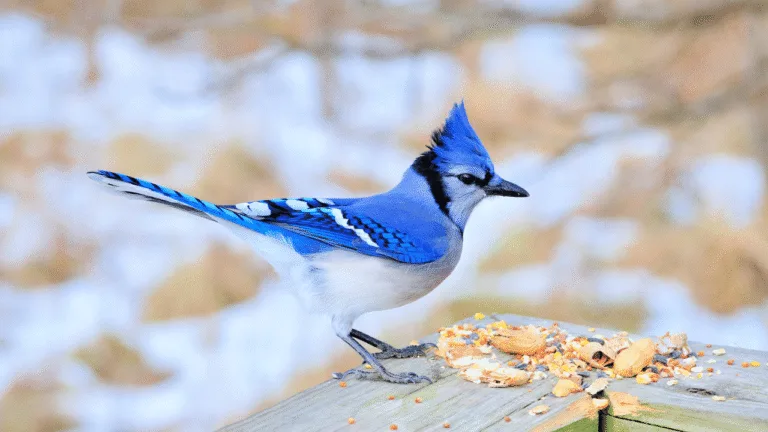
Blue Jay Spiritual Meaning Welcome — this guide explores the Blue Jay spiritual meaning and what a sighting...