The Spiritual Meaning of Rose
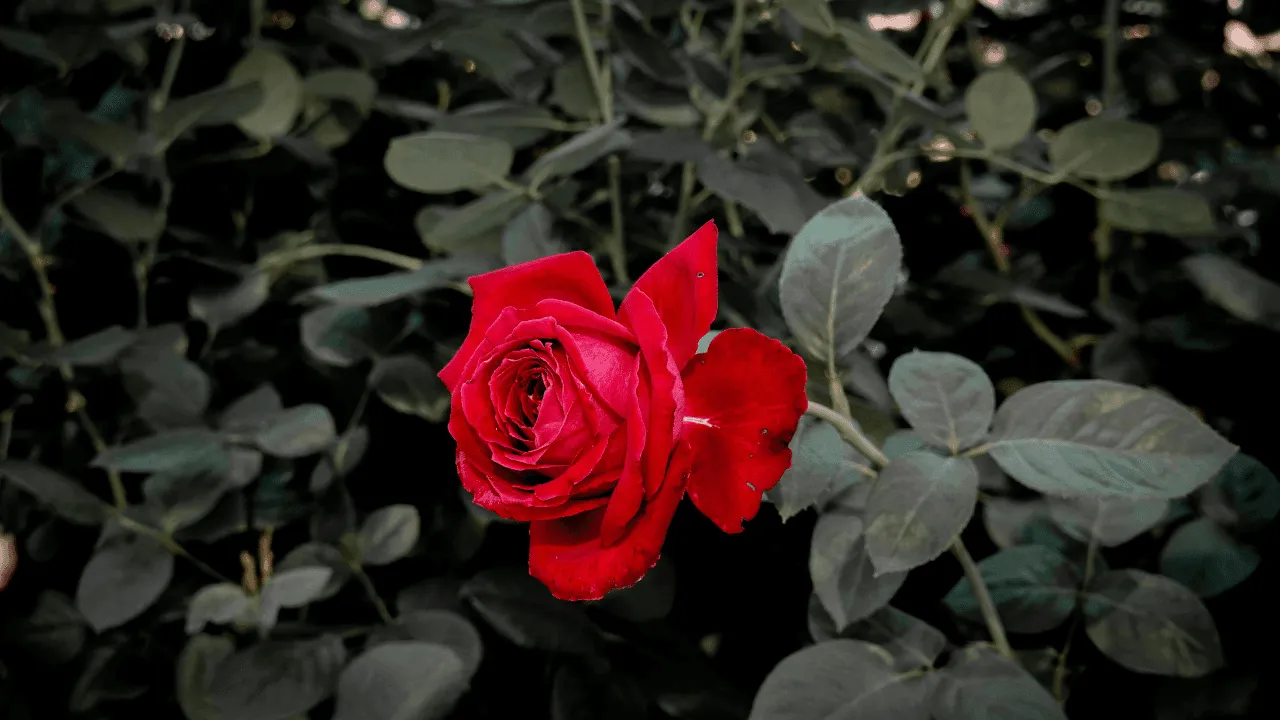
Spiritual Meaning of Rose, Few flowers carry as much power as the rose. Across cultures, roses have stood for love and beauty while guiding the heart and soul toward deeper care. This flower appears in myths, ceremonies, and daily practice as a living teacher.
Its layered petals suggest gradual awakening. Each blossom shows how insight blooms over time and through steady, devoted presence. The fragrance often acts as a gentle bridge, inviting a tender connection to what feels sacred.
The rose works as both symbol and sanctuary. Thorns teach limits, while the heart at the center reveals softness and strength. In many traditions, this association spans protection, healing, and a steady return to compassion.
Key Takeaways
- Roses serve as a symbol that pairs softness with strength.
- Petals mirror the way insight slowly blooms in life.
- Fragrance offers a simple, present way to feel held.
- The flower links personal love to wider cultural significance.
- Thorns remind us of sacred boundaries and resilience.
Why Roses Speak to the Soul: Love, Beauty, and the Spiritual Journey Today
Roses offer a practical way to bring presence into busy life. Their scent, layered petals, and steady form make them easy companions for brief, repeatable rituals that heal and center.
The rose’s layered form maps a simple inward journey. Each petal can be held as a step toward the heart, helping attention settle when the world pulls us away.
Holding a bloom slows the breath and opens awareness. That felt connection — scent, texture, stillness — invites devotion in small acts that renew trust over time.
- Use a single bloom to practice short presence moments.
- Let petals guide a breath and a soft intention.
- Turn everyday care into tiny rituals that steady purpose.
Flowers like roses teach relational wisdom: gentle approach reveals more. For ideas on cultural uses and deeper roses symbolism, consider keeping a small practice at home.
Seen this way, a rose becomes a humble guide — balancing tenderness and courage so love becomes an embodied way, not just an idea.
Spiritual meaning of rose: a timeless symbol of the heart and soul
Across Sufi poetry and Western mystery schools, the rose appears as a living map for the heart’s unfolding. Teachers point to its layers to show how love becomes a steady guide for the soul.
“Mystery glows in the rose bed, the secret is hidden in the rose.”
Each petal marks a stage of becoming. Blooms remind us that transformation arrives in slow, natural steps rather than sudden leaps.
Esoteric wisdom links fragrance and form to refined presence. The hidden golden heart stands for an intimate connection to the divine and to inner truth.
The flower’s shape holds dual lessons: softness paired with resilience. That balance asks us to hold tenderness while keeping healthy boundaries.
- Use a single bloom to sit quietly and listen to your heart.
- Journal one line about what you long for after that moment.
- Return over time and notice how the symbol grows with you.
When practiced daily, roses also become a small, steady ritual that deepens connection and offers ongoing wisdom.
Roses in Mythology and Folklore: From Aphrodite to Sufi Mystics
Stories from many lands place the roses at moments of passion, secrecy, and rebirth.
Greek and Roman legends tie the rose to Aphrodite and Venus. One tale says the first rose sprang from Adonis’s blood. Romans later used sub rosa to mark secrets and vows.
Egyptian traditions connect the rose petals with rebirth. Isis appears in rites where blooms mark presence and regeneration. Cleopatra is said to have strewn petals to charm a lover.
Persian and Sufi teachers read the rose’s form as a map of unfolding consciousness. Petals mark stages; fragrance names a refined expression of the soul and divine love.
“A blossom can be a gate between worlds.”
- Celtic and Faery lore protect roses as threshold guardians in tales like Tam Lin.
- Across history, symbols travel and keep similar association: devotion, protection, secrecy.
- Roses also act as bridges where a single bloom invites us to listen for what’s hidden.
The Goddess and the Rose: Divine love, beauty, and sacred presence
From Nile shrines to Mediterranean processions, the rose marked places of power and devotion. In many tales the bloom appears as a living symbol that brings beauty and protection into a circle of ceremony.
Isis, Cybele, and Hecate: mythic ties to power and protection
Isis treated roses as tools of restoration. In Apuleius’s Golden Ass an initiate is returned to life through her roses, showing how goddess love can heal and change fate.
Cybele’s rites filled streets with roses, and Hecate wore five-petaled garlands. These gestures make clear that the bloom’s geometry served as a guide for direction, power, and a guarded circle.
Aphrodite’s tears and the red rose: passion, grief, and transformation
Legends say Aphrodite’s tears and Adonis’s blood stained the petals red. Here passion and grief meet, and love becomes courage through sorrow.
Invite a single rose on your altar as a humble practice. Let that bloom stand as a vessel for devotion and a mirror for your own divine love and presence.
Sub Rosa: Secrecy, symbolism, and the mysteries of the heart
In ancient halls a hanging bloom signaled that words spoken beneath it would stay within the circle.
Sub rosa names a living tradition of silence: promises made under the rose are held in the heart’s vault and protect tender truths.
From Roman councils to esoteric silence: “under the rose” across time
The Roman custom placed a rose above council tables to mark confidentiality. When a single rose hung in a room, trust and decorum followed.
Harpocrates, the divine child with a finger to his lips, often appears inside a rose. That image links hush to inner wisdom and vows kept in secret.
- Define: sub rosa as a practice that keeps select speech safe.
- History: a rose sealed councils and built trust across time.
- Practice: place a rose by your journal or altar to honor private care.
“Silence under a bloom lets small truths ripen into steady love.”
Today practicing sub rosa strengthens relationships, honors boundaries, and raises the value of what we share.
Spiritual Meaning of Rose: The Virgin Mary, purity, and the golden heart within
In Christian devotion the rose became a vivid sign of mercy and restored innocence.
Mary as the Mystic Rose shows how ancient goddess reverence folded into Christian care. The Virgin Mary is called Rosa Mystica and named the “rose without thorns.” This image links Eden’s thornless blooms with renewed purity.
Mary as the Mystic Rose and “rose without thorns”
White roses and thornless blooms came to stand for innocence regained. They invite quiet contemplation of mercy, baptismal water, tears, and anointing as paths to renewal.
Rose windows and sacred geometry: Chartres and the rosette labyrinth
Chartres’ great windows act as vast mandalas. Their scale aligns with the 11-circuit labyrinth rosette on the floor.
- Form: stained glass and stone share a single geometry that lifts the eye and the heart.
- Practice: walking the labyrinth becomes prayer in motion beneath Mary’s gaze.
- Traditions: the design brings heaven and earth into one sacred pattern.
“Each turn is like another petal opening toward the golden heart.”
Light a candle before an image of the Virgin Mary or a white bloom to invite compassionate presence into daily times of prayer. This simple act honors the Rosa Mystica and the soul’s steady unfolding.
Spiritual Meaning of Rose: A crown of roses and a pathway of devotion

The rosary wraps prayer into a tactile loop, each bead a quiet door into deeper attention. It is a lived practice where every bead offers another small gift of love to the Virgin Mary and steady care for the heart.
From beads to blessings: the tradition of the rosary
Started in medieval times, the rosary links to St. Dominic around 1214 and grew as a simple way to keep time and focus on Christ’s mysteries through Mary’s gaze.
Beads or knots help attention: they make prayer tactile and repeatable, turning minutes into a steady practice that invites calm presence.
Our Lady of Guadalupe: miraculous roses and a message of divine love
In 1531, winter roses arranged in Juan Diego’s tilma revealed an image of the Virgin Mary. That event drew many to faith and changed local history.
Many place a single rose or rose petals by their beads. A splash of water, a scented spritz, or a warmed cloth can bring the essence and scent of devotion into simple prayer.
- Define the rosary as a path of love and attention.
- Begin with one decade daily; let the rhythm invite joy and trust.
- Offer a single rose or rose petals to deepen the sense of grace.
Roses, Angels, and High Vibration: Fragrance as a sign of presence
During deep prayer or meditation, some people notice a floral presence that calms and steadies. This gentle shift in the air often feels like a reply to quiet longing.
The “odor of sanctity” and encounters with the divine
Many report smelling roses during prayer. In Catholic tradition this floral scent is called the odor of sanctity, a sign that grace or an angelic visit is near.
Barachiel and blessings: petals as symbols of grace
Archangel Barachiel is frequently shown with roses or falling petals. That image reminds us that blessings can come softly, like a bloom opening in stillness.
Frequency and fragrance: why roses elevate prayer and meditation
Some practitioners note that rose essential oil vibrates at about 320 MHz, far higher than lavender at 118 MHz. A healthy human brain sits near 71–90 MHz, making the rose’s essence feel uplifting and resonant during focused practice.
- Try this: inhale the subtle scent, place a hand on your heart, and ask for the blessing you need now.
- Include a single rose or a drop of oil in prayer to support connection and to invite the soul to soften and receive love.
- Notice how blooms appear in stories and life—roses also arrive to guide and reassure seekers.
The Language of Color: What different roses mean in spiritual symbolism

Tone and tint give roses a simple language we can use in ritual and care. Read the palette and choose blooms with intent so each gift becomes a tiny prayer.
White blooms: purity, holiness, and new beginnings
White roses call to fresh starts and quiet holiness. Place them on an altar for baptism themes, healing, or to honor Mary’s immaculate heart.
Red hues: passion, sacrifice, and courageous love
Deep red petals stand for brave devotion and solemn vows. Offer a red rose when you mark service, grief held with honor, or a promise made in truth.
Yellow tones: wisdom, joy, and illumination
Yellow roses brighten study, choice-making, and days that need clear insight. Use them to celebrate learning, new projects, or a sudden lesson that brings joy.
Pink shades: gratitude, peace, and gentle compassion
Soft pink blooms soothe spaces and mend ties. Gift pink roses to thank someone, to restore calm, or to anchor gentle care at home.
Purple and lavender: wonder, awe, and transformation
Pale purple petals invite awe and change. Bring lavender roses to a retreat, a threshold moment, or when asking for inspired growth.
- Choose colors with intention and place blooms where light reveals their form.
- Plant roses in a garden or set them by a window so their significance unfolds over time.
- Let each color guide a small practice: offering, prayer, or a mindful pause.
Thorns and the Path: Protection, boundaries, and sacred strength
Thorns teach a fierce kindness: they guard what the heart holds dear. In many European tales, branches hung above a doorway kept harm at bay. That folk practice turned a simple branch into a protective symbol for the home.
The rose’s thorns ask us to hold care with wisdom. They show that softness can live beside firm limits. This form invites the heart to stay open while learning discernment.
Reframe thorns as teachers of sacred strength. Let them remind you that purity and love deserve healthy guards. Protecting what matters is itself an act of devotion.
- Place a small branch by your threshold as a daily reminder to set kind limits.
- Speak truth gently; boundaries help relationships root and flourish like a garden.
- Honor that protection supports, not replaces, tenderness.
“Protection is not the opposite of love; it is how love endures.”
Garden, Water, and Paradise: The rose as a map to Eden
Walled gardens have long been shaped as tiny heavens where blooms guide the eye inward. Persian gardens arranged four channels around a central source so water moved like a living compass. That design framed life as ordered and calm.
Walled gardens and living mandalas
Medieval cloisters and Persian plots share a single idea: a living mandala where paths, water, and roses teach harmony. Cistercian brothers tended hortus conclusus that held both prayer and practical care.
These traditions treated the garden as paradise regained. The hortus conclusus placed Mary and mystery inside a protected circle. Such symbols made a quiet room for rest and attention.
- Design: fourfold layouts with a central source mirror cosmic order.
- Practice: place a small window shrine or a potted arrangement to invite calm.
- Tending: prune, water, and notice new blooms as a simple form of prayer.
“A tended plot becomes a way to steward beauty and let blessings flow.”
Everyday Rituals with Roses: Simple ways to invite love and clarity

Small daily rituals with roses can turn ordinary moments into gentle practice. These short acts slow the breath and invite care without extra fuss. Keep offerings simple and repeatable so they fit busy times.
Altar offerings, rose water, and fragrance for sacred space
Keep a single bloom in a small bowl of water or add a drop of oil to lift the fragrance in a meditation corner. A few petals in a bowl or a spritz of rose water centers attention and builds steady presence.
Baths, teas, and face mists: embodying beauty and serenity
Add rose petals to warm baths or steep a light evening tea to unwind. Make a simple face mist with distilled water and a drop of essential oil for a calming touch between tasks.
Charms, petals, and candle work: intention in form and scent
- Wrap a dried rosebud with an intention and tuck it into a small charm bag near the door.
- Sachet a few petals in a drawer to welcome clarity and joy.
- Dress a plain candle with a drop of oil, speak your aim, and light it to focus the scent as a way to bless the space.
Choose flowers in season and honor brief pauses. Small gestures with roses build a steady practice that fits real life and returns the heart to simple joy.
Emotional Healing and Self-Love: Opening the heart’s petals
A quiet ritual with fresh petals can soften grief and invite a steady return to joy.
Hold a single rose at your chest and breathe slowly. Let its scent and essence meet the tight place in your heart and invite the soul to ease.
Make a cup of rose tea when worry arrives. Sip quietly, journal an affirmation, and let the heart’s petals open toward self-compassion and steady love.
Meditate with a fresh rose plus a piece of rose quartz. This simple pairing supports trust, nurtures self-worth, and helps you bloom in everyday life.
- Practice: Hold a rose at the heart and breathe for five minutes each morning.
- Soothe: Use rose water as a light mist before sleep to invite restorative dreams.
- Journal: Write one kind line to yourself after drinking tea or meditating.
Honor the goddess within; let goddess love shape how you speak to yourself—patiently, honestly, and kindly. For more on gentle petal practices, see the spiritual use of rose petals.
Protection and Purification: Roses as guardians of the home and spirit
A single branch hung above a door can act as a quiet pledge of safety for those who enter. In folklore, placing sprigs by thresholds marks a home as cared for and watched over.
Thorns remind us that love defends what it cherishes. These natural guards teach healthy limits and show how tender care pairs with clear boundaries.
Simple practices keep a space fresh and shielded. Burn a pinch of dried petals with frankincense for cleansing smoke. Carry a charm bag with black tourmaline and rosemary to steady energy. Make rose-infused water to bless altars, tools, or bowls placed in entryways.
- Threshold: place a small rose branch by the main door as a welcome and shield.
- Boundary: let thorns stand for protection when you set kind limits in home and relationship.
- Purify: burn petals with frankincense or sprinkle rose water around rooms and objects.
- Maintain: sweep weekly, open windows, refresh a bowl of petals, and affirm the house as a small garden of peace.
“A tended entrance keeps both guests and blessings moving through with care.”
From Tradition to Today: How the rose guides modern spiritual journeys

In a noisy world, a simple flower can re-anchor attention and offer a moment of grace.
Across faiths and eras—from Sufi poets to Marian devotion—the rose keeps giving care and protection. Bring that long-held significance into present time with tiny, repeatable acts.
Place a single bloom on your desk to ground a busy day. A short breath, a touch of oil, or a whispered line can turn that sight into steady presence.
- Adapt old practice into something simple you can repeat each day.
- Use brief rituals so connection becomes a dependable companion on your journey.
- Let history inspire, not bind; choose what fits your needs now.
- In hard times, tend a stem or notice a blossom to steady attention and restore love and courage.
- Share blooms with neighbors or elders so care becomes community action.
“A small gift given in kindness keeps tradition alive and brings comfort to the world.”
Let roses teach presence one moment at a time. Small acts add up, and they carry ancient wisdom into daily life.
Conclusion
Spiritual Meaning of Rose, From altar to window box, this flower gathers grief, joy, and prayer into one quiet gift.
Gather the threads: roses stand as living icons of love and beauty, a simple map back to the heart. Keep a single bloom nearby, notice its essence, and let small acts shape the way you move through the world.
Honor the Virgin Mary as Rosa Mystica and recall the purity of white roses. Plant a tiny garden or place fresh flowers in light so blooms teach patience, presence, and steady joy.
May the rose awaken courage in every lover of truth and inspire a life arranged around what is good, true, and beautiful.
FAQ
What does the rose symbolize in matters of the heart and soul?
Across cultures, the rose stands for love, beauty, and the unfolding inner life. Petals evoke layers of feeling and wisdom; thorns remind us that protection and boundaries coexist with tenderness. The flower’s scent often signals presence, comfort, and a bridge between the visible and the sacred.
How do different colors change a rose’s message?
Color shifts a rose’s voice: white suggests purity and new beginnings, red speaks to passion and courageous love, yellow brings joy and illumination, pink offers gratitude and gentle compassion, while purple tones point to wonder, transformation, and spiritual insight.
Why are roses linked to goddesses and divine love?
From Aphrodite and Venus to Isis, roses became emblems of feminine power, beauty, and sacred presence. Myths tie the bloom to birth, grief, and rebirth, making it a living metaphor for devotion and the heart’s mysteries.
What is the significance of roses in Christian devotion and the rosary?
The rose appears as a Marian symbol—Rosa Mystica—representing purity and a golden heart within. The rosary, often called a crown of roses, frames prayer as a series of fragrant offerings. Stories like Our Lady of Guadalupe reinforce roses as signs of grace and miraculous care.
How do roses appear in mystical and Sufi teachings?
In Persian and Sufi poetry, the rose symbolizes the soul’s unfolding toward the Beloved. Petals become stages of awakening; the encounter between the rose and the nightingale often represents longing, union, and spiritual transformation.
What does “sub rosa” mean and why is it important?
“Sub rosa,” or under the rose, denotes secrecy and trust. Since Roman times, placing a rose over a council or chamber signaled confidentiality. The phrase carries into esoteric traditions as a marker of inner truths held with care.
Can roses be used in everyday rituals for healing and clarity?
Yes. Simple practices—offering petals on an altar, misting a sacred space with rose water, taking a rose-scented bath, or sipping gentle tea—invite calm, open the heart, and anchor intentions. Fragrance alone can raise vibration and focus prayer or meditation.
Are roses protective as well as beautiful?
Absolutely. Thorns symbolize healthy boundaries and sacred strength. In many traditions, roses serve as guardians of home and spirit, used in rites for purification and sheltering the loved and vulnerable.
What role do roses play in mythic and folk tales around the world?
Stories link roses to gods, queens, and enchanted realms—from Celtic faery lore to Egyptian rebirth motifs. They mark rites of passage, acts of devotion, and moments when the ordinary world touches the divine.
How can I invite the rose’s qualities into daily life without formal ritual?
Bring small offerings of the flower into your living space, keep a single bloom on a bedside table, use rose essential oil or water during moments of pause, or practice a minute of mindful breathing with its scent. These simple acts cultivate joy, presence, and a steady opening of the heart.

Spiritual psychology offers a compassionate, integrative approach that respects the whole person. It...

What does it mean spiritually when a hummingbird visits you? Many people sense comfort, hope, or a gentle...

What Does Rainbows Mean Spiritually? By exploring the spiritual meaning and symbolism of the rainbow,...

Spiritual meaning ducks, Step into a practical guide that treats the duck as a bridge between worlds...

Spiritual meaning vulture. Across the world this bird holds lessons about life, death, and rebirth. Ancient...