Unveiling the Spiritual meaning vulture

Spiritual meaning vulture. Across the world this bird holds lessons about life, death, and rebirth. Ancient cultures saw it as a guardian and purifier, a mother figure that watches over the vulnerable.
From Egypt’s Mut and Nekhbet to Roman ties with Saturn, Mars, and Apollo, this creature stands at thresholds people fear and need. Zoroastrian sky burials used its role to help souls continue their journey.
Notice its daily rituals: the Turkey vulture spreads wings to greet the sun, rides thermals with patient grace, and helps cleanse the world in unexpected ways. These actions model resilience and quiet power.
In this article we travel across time and culture to peel back layers of symbolism. You will find practical steps to bring patience, clear perspective, and renewal into your own life. By the end, the bird may feel less like an omen and more like a guide.
Key Takeaways
- The bird teaches courage around endings and new beginnings.
- Global myths cast it as a maternal guardian and purifier.
- Daily rituals, like sun‑cleansing, model patience and power.
- Look for signs as tools for practical spiritual growth.
- Understanding its symbolism can free you to release and renew.
Why Vultures Matter in Spirituality Today
After conflict and collapse, these birds often arrive to begin repair. Seen over battlefields and broken places, they clean what remains so the land can heal. That practical service became a powerful symbol for renewal across cultures.
From battlefield birds to guardians of renewal
Historically, vultures appeared where life and death met. Greeks read their flight for augury and warriors watched them as part of a sacred cycle.
Today their ecological role is just as vital: by removing carcasses they limit disease and protect people and livestock in the world around them.
Aligning present-time lessons with ancient wisdom
Their quiet watching models timing over haste. Riding thermals, they teach patience and discernment, acting only when the moment is right.
“What others scorn can be sacramental work: cleaning, renewing, and making space for new life.”
- Reframe the battlefield image: guardians of renewal.
- Ancient augurs saw wisdom in their flight.
- Modern ecology shows their public-health role.
- Compare to the eagle: different power, same dignity.
Their story asks us to choose clarity, service, and timing. In that way, this animal becomes a teacher of resilience and mature care when others look away.
Spiritual meaning vulture: core symbolism, energy, and purpose
On warm thermals they map a wider horizon, turning decay into an opening for fresh growth. This behavior frames their core symbolism: they stand at the meeting point of life and death and make the cycle of rebirth feel approachable.
Life, death, and the cycle of rebirth
They recycle what has ended so new life can begin. As scavengers, these birds never kill; they transform what is finished into part of the world’s renewal.
This view reframes loss as compost for wisdom and growth.
Air, wings, and perspective: seeing from the higher sky
Masters of air, they ride thermals for hours and use their wings to survey wide terrain.
Their vantage invites you to rise above daily drama and choose with broader clarity.
Purification and patience as transformational power
At dawn many spread wings to sun‑cleanse, killing bacteria and renewing their body. Their patience—waiting for the right current or moment—is a form of power.
“Trust timing more than force; let energy reorganize around what is real and ready.”
- Sense and discernment: Turkey vultures use smell to locate truth beneath surfaces.
- Service: these creatures protect communities by removing disease risks.
- Practice: greet the morning, face the sun, set an intent to release and renew.
Mythic lineages: Egypt, Greco‑Roman augury, Zoroastrian rites
Ancient courts and temples looked to the sky, where winged figures carried messages of protection, law, and passing seasons.
Mut and Nekhbet: motherly protection beneath the sun
In Egypt the bird served as a crown of care. Mut’s sacred bird and Nekhbet’s vulture head wrapped rulers in a maternal shield.
The daily sun‑greeting of these birds became a living symbol of warmth, life, and guardianship.
Saturn, Mars, Apollo: omens of justice, war, and prophecy
Romans read the flight of large birds as signs. Vultures were linked to Saturn’s law, Mars’s timing, and Apollo’s sight.
Augury turned sky behavior into practical counsel. Priests watched patterns of wing, cry, and course to counsel leaders.
Towers of Silence: renewal through sacred sky burials
Zoroastrian rites entrusted bodies to birds on high platforms. This practice returned the physical to the elements and aided the soul’s path.
Rather than a grim end, the practice reframed associated death as devotion to continuity and rebirth.
“Across cultures, these birds bridged heaven and earth, carrying justice, protection, and renewal.”
- Egypt crowned the bird as a goddess of care.
- Greco‑Roman augury honored reliable, purposeful flight like an eagle or vulture.
- Towers of Silence reveal a sacred ecology that uplifts the soul.
Americas and Native voices: omens, rain, and the vulture spirit
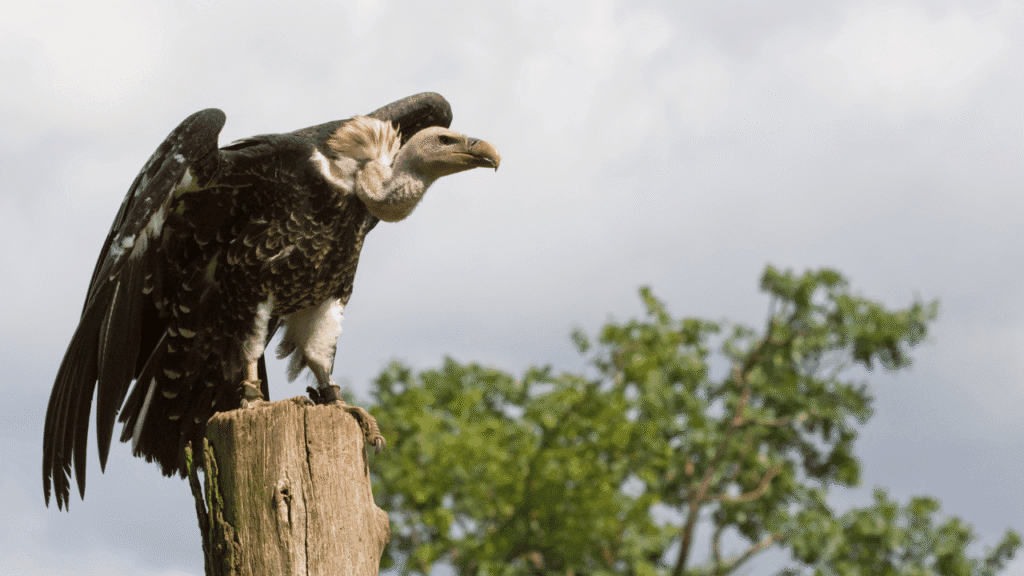
Across North and Central America, Indigenous elders read the sky and found messages in large soaring birds.
Native American readings: duality of body and soul, earth and sky
Many tribes treated these birds as sacred messengers. Shamans watched flight patterns to predict weather and warn of change.
The bird embodied duality—linking body and soul, land and sky—helping people reconcile the material with the unseen.
Mayan stories: consuming death, returning life, summoning rains
In Mayan tale threads, the bird consumes death and converts it into life. This act stands as a clear symbol of transformation.
Archaeological frescoes show birds carrying souls to the other world. Some communities believed their circling could call rain and renew crops.
- Native voices read flight as omen, weather cue, and counsel.
- They taught balance—how endings feed new beginnings.
- Communities gave thanks for the animal’s service to land and lineage.
Listen with humility: learn to tell fear from guidance, as Indigenous wisdom keepers advise.
“What the wing reveals can be a map for what to release and what to renew.”
For more on sightings and cultural readings, see seeing a vulture.
Reflective question: what part of your life is ready to become rain for someone else’s growth?
South Asian perspectives: Hinduism, Buddhism, Jainism
In South Asia, winged figures appear in epic pages and moral tales as teachers of courage and detachment.
Ramayana and Mahabharata: Jatayu, grief, and royal mortality
The Ramayana gives us Jatayu, a noble vulture who fights to save Sita and dies for duty. His act is a sacred story of loyalty and grief.
In the Mahabharata, birds at cremation grounds and on standards remind kings that grandeur ends in the same fate as any body.
Arthashastra, Hitopadesha, and counsel
The Hitopadesha and practical treatises cast a large bird as a clear‑eyed counselor. This animal offers steady advice to rulers and commoners alike.
Buddhist and Jain teachings
Jataka tales show a Bodhisatta born as a young vulture to teach compassion—service can wear humble feathers.
Jain metaphors place the bird beside decay to teach non‑attachment and the soul’s path beyond the body.
“Accept impermanence; let courage and counsel guide what you release.”
- Retell Jatayu as devotion in action.
- See birds at pyres as reminders of shared fate.
- Honor counsel, compassion, and detachment as practical virtues.
For related rites that return the body to the elements, see sky burial.
Vulture spirit animal, totem, and power animal meanings
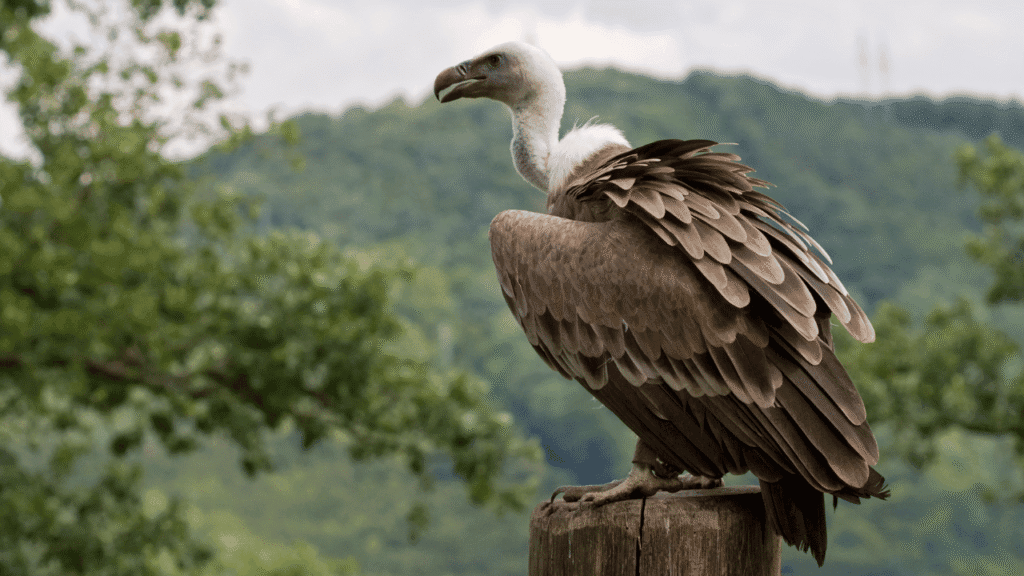
Look to the bird’s patient circling and you’ll find lessons about timing, release, and renewed direction.
Spirit animal: discernment, timing, and new direction
As a spirit animal, this bird mentors timing and clear choice. It nudges you to lift your view, shed what slows you, and step toward a new path.
Totem traits: resourcefulness, loyalty, and communal wisdom
Totem people modeled on this bird are patient to the core and loyal in community. They use every part of life as resource, staying reliable under pressure.
Power animal: cleansing energy, courage, and non‑attachment
Power in practice: the power animal clears old patterns, cleans spaces, and offers courage to release with compassion. This medicine strengthens non‑attachment and steady patience.
Body language and “walking your talk” without words
Without a loud cry, the bird teaches action over speech. Embody values through consistent behavior and clear body cues.
“Sit with instinct until currents align; move only when the moment is right.”
- Mentor of timing and discernment.
- Patient, resourceful, and loyal to community.
- Cleansing power that supports new direction.
Try a small ritual: write one thing to release, then do one tangible action today that shows your new way. This trains the body and opens the path to spot overlooked opportunities.
Turkey vulture medicine: discernment, sun‑cleansing, and exorcist energy
The turkey vulture offers a practical medicine: keen scent, patient flight, and a daily sun ritual that model inner clearing.
Smelling the truth: intuition, guidance, and clear knowing
The bird’s exceptional sense detects carrion from miles away. Learn from that: sit with guidance until your inner knowing clarifies.
Solar wings: ultraviolet purification and rebirth
At dawn they spread their wings to bask. This sun practice is literal UV sanitizing and a symbol of daily purification. Adopt a short sun ritual to mark renewal.
Transmuting toxins: from disease to golden purifier
The turkey vulture’s stomach neutralizes deadly pathogens, earning the name Cathartes aura — the “golden purifier.” See this as spiritual alchemy: convert heavy emotions into clear strength.
Riding thermals: trusting time, patience, and effortless flow
They ride spiral lifts with little flap, conserving energy and trusting the air. Model that pace: wait for lift, then move. Honor time as teacher.
“Sniff out truth, sun your intent, and ride aligned currents until you rise.”
- Teach discernment: use your senses and sit with answers.
- Celebrate sun cleansing: brief daily practice for reset.
- Model flow: conserve effort, trust timing, act when lifted.
Remember: the vulture spirit animal shows you an inner ability to purify, renew, and steady your power as you rise.
Behaviors that shape meaning: air, sun, carrion, and community
High above valleys and roads they hang in patient circles, using unseen lifts to widen what they can see. That steady practice gives the bird a broad view and quiet wisdom.
Masters of the air element: perspective and wisdom
They soar on thermals for hours, conserving energy while surveying miles. Let that model teach you to pause, take perspective, and act from calm clarity.
Sun salutations: daily ritual of renewal
Each morning they spread their wings to sun‑bask. This simple act kills bacteria and signals a daily reset—face the light, set an intent, and cleanse small things you carry.
Scavenging as sacred: reuse, recycle, and restore
As scavengers they recycle carrion, protecting the environment and preventing disease. Their work is practical transformation—turning waste into renewed balance.
- Translate flight mastery into a mindset: see broadly before acting.
- Mirror sun‑basking with a short ritual to mark renewal.
- Honor reuse as service: transform leftover things into resources.
- Value communal roosts: shared vigilance protects the whole.
“Small, steady actions prevent bigger problems downstream.”
Ecology, health, and protection: the vulture’s real‑world role
Across landscapes and law, these birds act as frontline sanitation for people and wildlife. Their swift work removes carcasses that would otherwise feed dangerous microbes and spread disease.
Anthrax cycle and environmental hygiene
By stripping carcasses fast, vultures interrupt the anthrax cycle and limit exposure for livestock and people.
This is practical purification at scale: fewer rotting bodies means lower pathogen load in soil and water.
Asian crisis: diclofenac and collapse
Gyps populations crashed when livestock medicine diclofenac poisoned birds that fed on treated carcasses.
One drug showed how fragile ecosystem balance can be and how policy affects recovery.
Poisoning pressures and solutions
Poachers and illicit markets poison carcasses to hide evidence. Traditional medicine demand adds risk.
- Stronger enforcement and community education
- Promoting vulture‑safe drugs and reporting poisoned carcasses
- Support for monitoring and reintroduction programs
“Protecting these birds is public‑health work: save the scavengers, and you save people.”
Why it matters: fewer vultures means more feral scavengers, higher disease risk, and heavier burdens on health systems. Conserving them restores the world’s ability to cleanse itself. Collective action—farmers, vets, policymakers, and citizens—brings back the power and balance these birds provide.
Spiritual meaning vulture Dreams, omens, and signs: reading the feathers of meaning
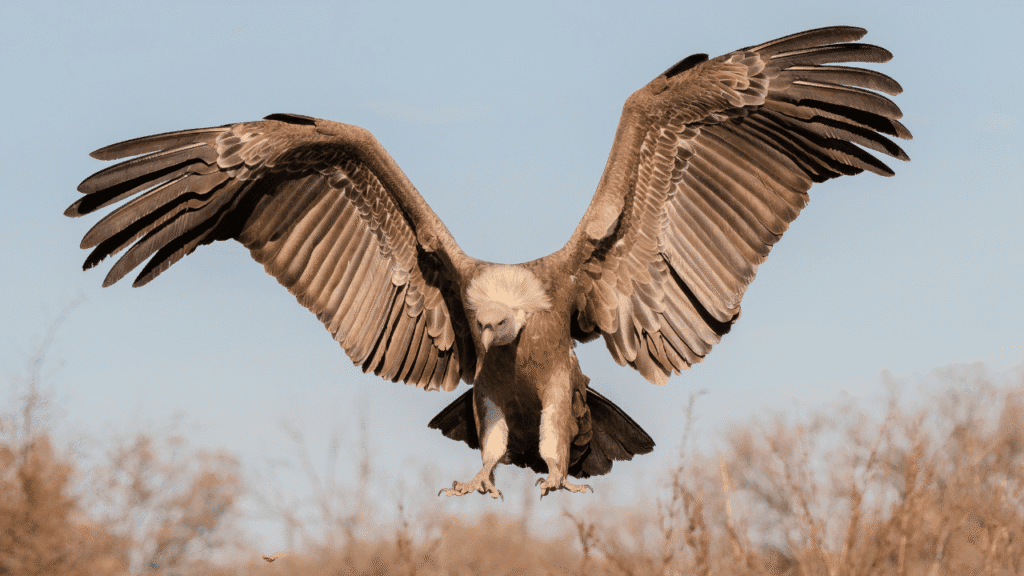
Dreams of circling birds often arrive like quiet notes, asking you to tune into what you may be missing. These visits can be gentle prompts or urgent warnings. Learn to read tone, context, and feeling before you assign a single fixed reading.
Circling, feathers, and fledglings: symbols of warning and wealth
Circling high can caution that someone watches for a slip or that a choice needs care. A handful of feathers in dream lore often signals blessings or unexpected abundance.
Fledglings in sleep tend to mark a new start — a birth or project taking wing. Upward flight can point to promotion or rising status.
When vultures appear in hard times: finding your way forward
Visits during struggle mark thresholds. If a bird attacks in dreamscape, consider it a warning about authority or a force turning hostile. Flocks landing near home can advise added caution.
“Signs wake the soul to act with clarity, not to seed fear.”
- Trust your sense of tone—context shapes the symbol.
- Note patterns: journal dreams, mark birds you see, and watch for repeats.
- Remember Native American readers used flight as invitation to attention and care.
Practical step: on waking, write one line about the dream, then one action you can take today. Even warnings are gifts; they give you time to move with integrity and protect the soul.
From stigma to symbol: transforming how we see vultures
When we drop the old clichés, a clearer symbol of protector and purifier comes into view. Many cultural stories paint these birds as greedy or ominous. Close study shows a different story: daily sun‑cleansing, soil‑safe scavenging, and steady service that keeps ecosystems well.
That shift in symbolism changes meanings for people too. Seeing the bird as a teacher invites compassion for parts of ourselves we have judged or exiled. It also reframes how we treat others who do unseen work.
Practically, this transformation asks us to replace fearful tales with informed views grounded in ecology and culture. Honor the bird as a protector, purifier, and wise ally. Let symbolism become stewardship: myth should energize our modern duty to protect what protects us.
- Challenge the “circling opportunist” cliché and name the deeper role.
- Shift the way you see overlooked things and heal community bonds.
- Turn cultural respect into practical protection for nature and place.
“When we dignify the overlooked, we repair the fabric of the world.”
Try this small practice: when you spot a bird, whisper “thank you.” Let that quiet gratitude reshape how you read the world and others who work without praise.
Conclusion
When you lift your eyes to the wide sky, the bird’s steady patrol becomes a lesson in patient renewal.
Across traditions these vulture and vultures threads gather into one clear truth: they teach how life follows death in a steady cycle. Their work is practical, not grand—cleaning, protecting, and offering quiet counsel.
Choose one simple act today: release what has ended and make room for what wants to begin. Let time be your teacher and let small action mark a new way.
Honor these birds as guardians of public health and the land. Where the eagle dazzles, the vulture endures—both give us courage to meet change. Lift your gaze, trust the spirit of the sky, and walk forward with steady wisdom.
FAQ
How does the vulture relate to life, death, and rebirth?
The bird represents the cyclical flow between endings and new starts. Its role in clearing decay returns nutrients to the land, which inspires lessons about letting go, purification, and making space for renewal in our lives.
Why are vultures seen as teachers of patience and timing?
They ride thermals and wait for the right moment to descend. That behavior models trusting time and acting from clear perspective rather than haste, a reminder to choose opportunities with steady discernment.
What does the aerial view of wings and sky symbolize?
Wings and open air suggest higher perspective and broader vision. Observing from above encourages detachment from petty concerns and invites strategic seeing — noticing patterns missed at ground level.
How do different cultures honor the vulture’s role?
Across Egypt, Persia, South Asia, Mesoamerica, and Native American traditions, these birds appear in rites, myths, and funerary practices. They serve as protectors, omen-bearers, or agents of purification, showing a shared respect for their ecological purpose.
Is there a connection between the bird and sun or purification rituals?
Yes. In many lineages the creature associates with solar power and cleansing — sunning behavior and ultraviolet resistance inspired metaphors of spiritual purification and exorcism, transforming taint into usable energy.
What lessons do Native American and Mayan teachings offer?
Indigenous readings often frame the bird as a mediator between earth and sky, balancing body and soul. Mayan stories highlight consumption of death as a path to return life and to call rains, linking ecology with cosmology.
How does the bird appear in South Asian epics and texts?
In the Ramayana and Mahabharata, characters like Jatayu embody loyalty, sacrifice, and grief. Classical works such as the Arthashastra and Hitopadesha cast the creature as wise counselor, showing its role in moral and political thought.
What traits define the creature as a spirit animal or totem?
As a spirit guide it offers discernment, resourcefulness, and communal care. As a power animal it teaches courage, non-attachment, and the ability to transmute difficult experiences into strength and clarity.
How does the turkey vulture’s sensing ability translate to personal insight?
Its keen smell and solar behavior inspire trust in intuition and the importance of clearing what blocks perception. That translates to practices that sharpen inner knowing and remove toxic influences.
Why is the bird important for ecosystem and human health?
They dispose of carrion, limiting disease spread such as anthrax, so their presence protects both wildlife and people. Conservation efforts like banning harmful drugs and anti-poaching measures tie directly to public and environmental safety.
What caused the Asian vulture decline and why does it matter?
Veterinary use of diclofenac led to mass die-offs. The loss disrupted scavenging services, increasing disease risk and economic costs. Restoring populations remains essential for ecological balance and human well-being.
How should I interpret visions or dreams featuring these birds?
Circling birds, feathers, or fledglings often point to warning, transformation, or emerging support. In hard times their appearance can signal a call to clear what no longer serves and to trust renewal is coming.
How can individuals honor and protect these birds in everyday life?
Support conservation groups, avoid products tied to harmful veterinary drugs, advocate for habitat protection, and practice respectful disposal of carcasses when possible. Small policy and personal choices help sustain their vital role.
Can embracing the bird’s lessons change public stigma?
Yes. Reframing the creature from taboo to ally — highlighting its ecological service and symbolic gifts — shifts attitudes. Education, storytelling, and stewardship foster respect and rescue reputations.

Rain is more than water falling from the sky — it often functions as a sign of renewal, a bridge between...

Spiritual psychology offers a compassionate, integrative approach that respects the whole person. It...

What does it mean spiritually when a hummingbird visits you? Many people sense comfort, hope, or a gentle...

What Does Rainbows Mean Spiritually? By exploring the spiritual meaning and symbolism of the rainbow,...
Spiritual meaning ducks, Step into a practical guide that treats the duck as a bridge between worlds...