Skip to content
Discover Snake Spiritual Meaning & Symbolism
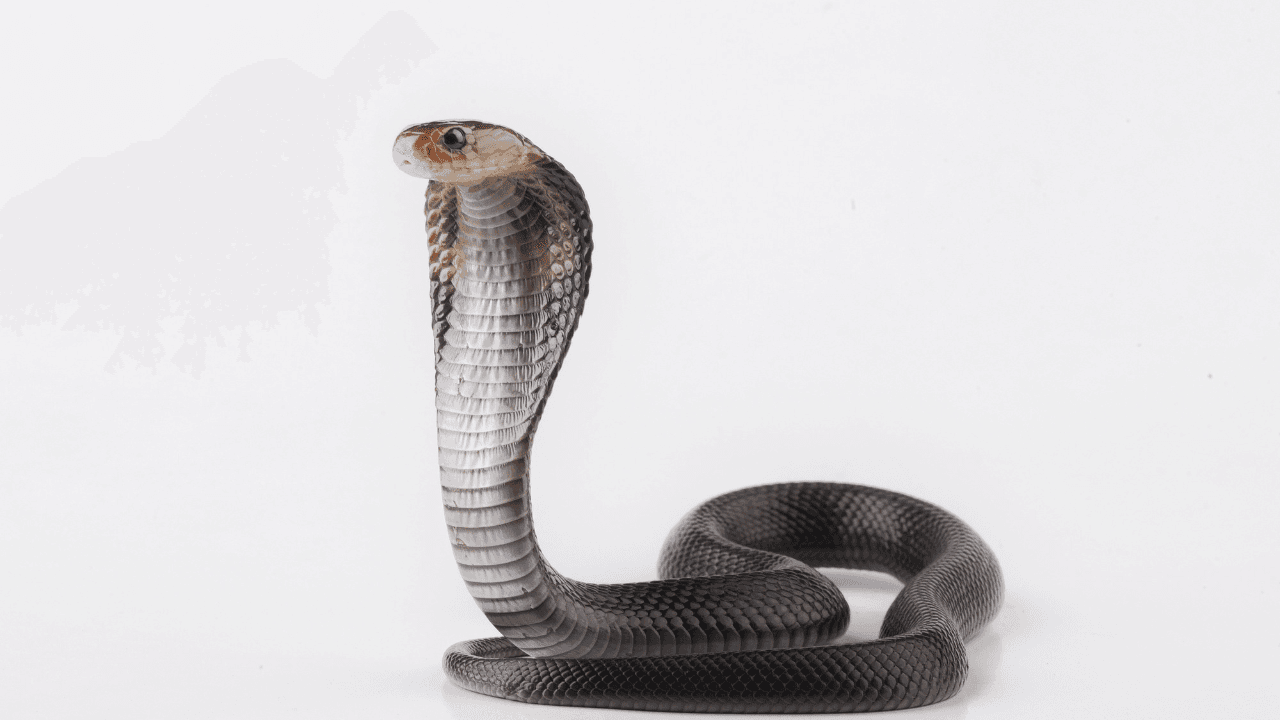
Snake Spiritual Meaning Across cultures and traditions, the snake is a potent emblem of change and inner knowing. As a symbol it commonly points to wisdom, transformation, and renewal: the snake’s shed skin becomes a metaphor for personal growth and the chance to begin again. In spiritual texts and folk practices alike, snakes can signify both creation and destruction — protective guardians at times, and warnings of danger at others.
In Hindu practice, for example, cobras (nāgas) are honored in rituals such as Nag Panchami and often represent ancestral power and protection. In dream interpretation traditions, a snake’s color and behavior are commonly used as cues: black snakes can signal hidden threats or shadow material, red often signals passion or urgent emotion, yellow may point to intuition, green to prosperity or vitality, and white to purification or healing (interpretations vary by source and culture).
Other colors sometimes referenced include blue for change, orange for balance, and brown for recovery or healing. Rather than treating Indigenous perspectives as uniform, note that some Indigenous North American traditions (for instance, Hopi snake rituals) understand snakes as life-force emissaries or agricultural protectors, while other tribal teachings warn of specific dangers associated with certain species. Read on to explore snake symbolism by culture, in dreams, as a spirit animal/totem, and in Kundalini practice.
Key Takeaways
- Snakes stand for wisdom, transformation, and spiritual renewal.
- Shedding skin symbolizes release of the old and starting fresh.
- Cobras and nāgas hold special ritual importance in parts of Hindu practice.
- Dream snake colors are used in many interpretive systems to hint at emotions or warning signs.
- In different Indigenous traditions, snakes may be viewed as life-giving helpers or as creatures to be treated with caution depending on context.
Introduction to Snake Symbolism
Across epochs and cultures, the snake appears repeatedly as a potent symbol — a bridge between the visible world and deeper spiritual meaning. From ancient Rome and Egypt to Southeast Asian temple complexes, snakes show up in stories, rituals, and art as emblems of wisdom, protection, healing, and occasionally danger. Understanding these varied uses helps reveal how the snake’s presence shaped human ideas about life, death, and renewal.
Contemporary expressions of snake symbolism range from jewelry and tattoos to household talismans. Rather than promoting any single brand, note that wearable snake motifs — whether found in artisan brass pieces, engraved rings, or pendants — often carry personal meanings for their wearers: protection, transformation, or a reminder of a life change.
Examining specific cultural examples clarifies how meanings shift by place and practice. The Hopi people of the American Southwest perform ceremonial snake rites tied to agricultural renewal; Angkor Wat’s nāga imagery (multi-headed serpent forms) frames sacred space and protection in Khmer temple design. In Greek and Mesoamerican myth, serpents can link humans to divine wisdom: the staff-and-serpent motif endures in medicine iconography, while the Maya vision serpent connects earthly rulers to the spirit world.
Myths from other traditions underline similar themes. In Egyptian lore, figures such as Nehebkau appear in funerary contexts; in Norse sagas, serpents like Níðhöggr represent destructive and regenerative forces that shape cosmic cycles. Biologically, snakes are ancient: there are roughly 3,000 recognized species worldwide, and that long evolutionary history helps explain why snakes feature across so many symbolic systems.
Regional stories offer more nuanced views: some Choctaw accounts treat the rattlesnake as powerful and consequential in local lore, while Hopi teachings emphasize the snake’s connection to the land and life force. These examples show that to understand snake symbolism we must attend to local contexts, sources, and practices rather than generalize across all Indigenous or regional beliefs.
For a deeper look at how snake meanings vary by culture, and how they appear in dreams, totem work, and Kundalini practices, continue to the next sections.
Transformation and Renewal
The snake frequently stands for transformation — a living symbol of change and new beginnings found in art, ritual, and inner work. From archaeological sites to dream images, the snake’s cycle of renewal models spiritual growth and the release of what no longer serves us.
Shedding the Past
Biologically, snakes periodically shed their outer layer in a process called ecdysis. Spiritually, that same image offers a clear metaphor: letting go of old patterns, beliefs, or relationships to make room for rebirth. Many spiritual teachers use the shedding motif to describe rites of passage and psychological transformation.
In Hindu practice, nāgas (serpent beings) appear in myths that emphasize life’s cyclical nature — creation, preservation, and dissolution — and are honored in festivals such as Nag Panchami. In ancient Egyptian iconography, goddesses like Wadjet are linked with serpents as protective figures, guiding and defending both rulers and sacred spaces.
Embracing Change
Transformation can be physical, emotional, and spiritual. The image of a snake moving between earth and sky recurs in traditions that see serpents as liminal creatures able to traverse different realms. In contemplative traditions and some yogic paths the snake also symbolizes rising life force and inner awakening — concepts explored further in the Kundalini section (see “Kundalini Energy and Spiritual Awakening”).
Practice tip: when you feel stuck, journal a short reflection asking what you are ready to shed. Small, intentional steps — a conversation, a ritual bath, or a grounding meditation — can honor the process of change and support steady renewal.
Snake Symbolism in Religion
Snakes weave through many religious systems as symbols that can inspire reverence or fear. Across faiths they frequently represent protection, hidden wisdom, and processes of spiritual transformation — a single creature embodying both life-giving and dangerous aspects depending on the context.
Religious texts and rituals use snake imagery to explore life’s polarities: creation and destruction, healing and temptation, birth and death. Below are a few well-documented examples showing how these meanings vary by tradition and practice.
Hinduism: The Serpent Deity Nagas
In Hindu cosmology, nāgas are powerful serpent beings associated with water, fertility, and hidden knowledge. They appear in myth as guardians of treasures and sacred places; many communities honor nāgas during festivals such as Nag Panchami, where rituals and offerings acknowledge their protective role. (Regional customs vary; consult local sources for specifics.)
Ancient Egyptian Traditions
Ancient Egypt incorporated snake imagery into royal and funerary iconography. The cobra motif — more correctly associated with Egyptian cobra species (e.g., Naja haje), not the European Vipera aspis — appears on pharaonic crowns as a symbol of sovereign protection and divine authority. Serpents also figure in funerary beliefs and guardianship of the afterlife; goddesses such as Wadjet were linked to protective serpent forms.
Christianity and the Biblical Serpent
In Judeo-Christian texts the serpent often serves as a complex symbol. In Genesis the serpent’s role in the Garden of Eden links it to temptation, knowledge, and the origin of human moral struggle. Yet other classical images show serpents as healing symbols: the Rod of Asclepius (a single serpent-entwined staff) became an emblem of medicine in Greco-Roman tradition, demonstrating how serpents can simultaneously represent danger and restoration.
Snake Spiritual Meaning Snakes in Celtic Traditions

In Celtic and Romano-British contexts, snakes frequently appear as symbols of fertility, healing, wisdom, and rebirth. Archaeological finds, votive offerings, and iconography often link serpent imagery to the life-giving powers of the earth and to rites that mark transition and renewal.
Beyond general symbolism, serpents sometimes function as messengers or companions of earth-deities, reinforcing the connection between underground waters, springs, and renewal.
Divine Feminine Power
Several regional deities and cult figures are associated with healing springs and serpents. For example, inscriptions and votive offerings attest to worship of the goddess Sirona in Gaul and the Rhine area—she was honored at healing springs and often paired with serpent imagery. Similarly, Matres or Matronae figures (mother-goddesses) are archaeologically linked to fertility and protection, and some Romano-Celtic altars show serpent motifs alongside trees and maternal figures. Verbeia, attested in Romano-British inscriptions, is another local river or spring deity associated with protective imagery.
Talismans and Protection
Serpent designs were used in wearable art (such as torcs) and carved stones. The so-called Serpent Stone at Maryport, for example, features a carved snake motif interpreted by specialists as a symbol of rebirth and continuity; such motifs appear on small sculptures and altars dating to the Romano-British period. Iconographic evidence also associates Cernunnos—the horned, nature-associated figure—with animals and sometimes serpentine forms, emphasizing fertility and the natural cycle of life.
Today, Celtic-inspired snake motifs continue to be chosen for their associations with healing and resilience; people often adopt these designs as expressions of personal growth or recovery. For visual references and archaeological sources on these artifacts, consult museum catalogs or regional archaeological publications.
| FiguresAttributesSymbolism | ||
| Sirona | Healing, Fertility | Healing springs, divine feminine |
| Cernunnos | Fertility, Rebirth | Ram-horned serpent, sacred animals |
| Matres/Matronae | Fertility, Protection, Healing | Snakes, trees, divine feminine |
| Verbeia | Protection, Healing | Altars with serpents |
The Spiritual Meaning of Snakes in Dreams

Exploring snake dream symbolism can reveal emotional patterns and inner processes. Across many dream-interpretation traditions, snakes commonly point to transformation, hidden fears, and desires that are emerging into awareness. While dream meanings are not universal facts, paying attention to details—number, size, color, and behavior—helps you decode personal messages.
Interpreting Snake Dreams
Use this simple observation framework when you record a snake dream: Observe → Describe → Reflect.
- Observe: How many snakes? Big or small? Aggressive or calm?
- Describe: Note color, location, and your physical sensations in the dream.
- Reflect: Ask what in waking life matches the dream’s emotion or situation.
Dream expert Lauri Quinn Loewenberg and other interpreters suggest that details matter: multiple snakes may indicate internal tensions or opposing forces, while a single calm snake can point to a focused inner change. Color readings are interpretive tools rather than scientific rules: for example, a black snake may symbolize shadow material or hidden threats, white often suggests healing or purity, and green can point to growth or prosperity.
Emotional and Intuitive Insights
Snake dreams commonly push us to reflect and grow. Below are two short vignettes and sample interpretations to illustrate how to apply the framework:
- Vignette — Fearful: You dream a large black snake lunges at you and you wake with a racing heart. Possible reading: a current situation (work conflict, secret, or repressed fear) is demanding attention; consider what you are avoiding and what boundary you might need.
- Vignette — Transformative: You dream a small white snake curled on your palm, calm and warm. Possible reading: a healing process or new insight is unfolding; this dream can encourage gentle integration and self-care.
Pay attention to recurring patterns: repeated snake dreams often signal an ongoing inner journey or unresolved issue. Keep a dream journal and note emotional tone and life events that surround the dream—over time patterns emerge that support clearer understanding and intentional change.
Practice tip: after waking, write three quick notes—(1) what happened, (2) how you felt, (3) one waking-life correlate. This short exercise trains attention and helps move dream insights into practical growth.
Snake Spiritual Meaning
Across many cultures, snakes symbolize wisdom, healing, and the cycles of life. As both mythic and natural creatures they embody transformation and knowing—reminding us that endings often lead to new beginnings.
Wisdom and Healing
Across traditions, the snake frequently connects to knowledge and restoration. A few concise examples:
- Hinduism: Nāgas appear in myths as guardians of hidden knowledge and forces of creation and dissolution.
- Egyptian tradition: Serpents are associated with protective goddesses and royal authority.
- Celtic contexts: Serpent motifs link to healing springs and practices that associate snakes with renewal and medicinal waters.
These cultural threads show how the snake became a practical symbol for wisdom passed down through rites, stories, and sacred sites.
Cyclic Nature of Life
The snake’s shed skin—its visible reminder of renewal—makes it an enduring symbol of leaving the past behind. The Ouroboros (a serpent consuming its own tail) compresses this idea into a single image of rebirth, continuity, and the ongoing flow of life. Recognizing this symbolism can support intentional new beginnings in your own life.
Explore the myths and totem sections below to see how these meanings play out in stories, rituals, and personal practice.
Snake Totem Symbolism
Snake totem symbolism appears across many spiritual teachings and folk practices. People who identify with the snake as a spirit animal are often described as adaptable and able to navigate change; the snake’s lessons emphasize continual growth, renewal, and wise use of personal energy.
Being drawn to the snake as a spirit animal does not prescribe a fixed personality, but in totem lore such people are often encouraged to cultivate presence, quiet power, and self-awareness rather than loud force.
- If the snake is your spirit animal, you may:Be called to examine hidden motives and shadow material.
- Experience periods of intense personal growth or transformation.
- Develop resilience and the ability to shed what no longer serves you.
- Learn to direct your energy with intention rather than reactively.
Snake symbolism carries both light and dark aspects: it points to wisdom and healing but also warns of deception or unresolved fears if ignored. Embracing this spirit animal can be a practical prompt to attend to inner work—journaling, shadow reflection, and small ritual acts—to transform patterns and reclaim personal power.
For a guided reflection: write three responses to the prompt “What am I ready to shed?”—this quick exercise can help convert insight into actionable change. For further reading on the snake as a spirit animal, see this resource here.
Kundalini Energy and Spiritual Awakening
Kundalini energy awakening is traditionally described as a potent inner force—often called “serpent power”—that can transform consciousness when it rises through the body’s energetic centers. Classical and contemporary teachers frame this power as a balancing of complementary forces (often described in terms of feminine and masculine aspects), and as a pathway for deep spiritual growth and healing when approached with care.
Awakening the Kundalini
Practices that may stimulate Kundalini or “spiritual snake energy” include meditation, breathwork, mantra, and specific yoga or mudra techniques. Because reports of intense physical, emotional, or psychological effects exist, it’s important to proceed slowly and with guidance. If you explore these methods, seek instruction from experienced teachers, prioritize grounding practices, and consult health professionals if you experience overwhelming symptoms.
- Safety & GuidanceStart gradually—short sessions and steady integration.
- Include grounding activities (walking, breathwork, body-based practices).
- Work with reputable teachers or clinical professionals when intense effects arise.
- Respect cultural lineages and avoid exoticizing practices.
The Journey Through Chakras
The Kundalini journey is often described as an ascent through the chakras—energetic centers that correspond to different psychological and spiritual themes. This ascent represents incremental change and maturation along the spiritual journey. Below is a concise mapping of chakra themes and associated practices:
| ChakraSymbolismAssociated Practices | ||
| Muladhara (Root) | Foundation, Instincts | Meditation, Grounding Exercises |
| Svadhisthana (Sacral) | Creativity, Sexuality | Mantras, Visualization |
| Manipura (Solar Plexus) | Power, Will | Kundalini Yoga, Breathwork |
| Anahata (Heart) | Love, Compassion | Hand Mudras, Emotional Healing |
| Vishuddha (Throat) | Communication, Truth | Chanting, Affirmations |
| Ajna (Third Eye) | Intuition, Insight | Mindfulness, Inner Visualization |
| Sahasrara (Crown) | Spiritual Connection, Enlightenment | Deep Meditation, Cosmic Awareness |
Learning about this energetic path benefits from reputable sources. Consider classic texts (translated lineages) and contemporary teachers who emphasize safety—look for experienced instructors with clear ethical standards and an emphasis on integration. Rather than relying solely on random online playlists, prioritize structured courses, books by established teachers, or training programs that include mentorship.
Practically speaking, if you feel called to explore Kundalini work: give yourself time, prioritize grounding and community support, and approach the practice with respect for its cultural origins and potential psychological effects. Done thoughtfully, this work can become a powerful tool for inner transformation and sustained healing.
Snake Symbolism in Myths
Across world mythology, snakes and serpents serve as powerful carriers of meaning—embodying cycles, thresholds, and the tension between creation and destruction. Two enduring mythic images illustrate these themes and their lasting cultural impact.
Greek Mythology and the Ouroboros
The Ouroboros—a serpent eating its own tail—has roots in ancient Mediterranean symbolism and later Greek philosophical illustrations. As a compact image it conveys wholeness, continuity, and the cycle of death and rebirth. Philosophers and mystics used the Ouroboros to express how endings fold back into beginnings, making it a strong reminder of life’s repeating rhythms.
Norse Mythology: Midgard Serpent
In Norse myth the world-encircling serpent Jörmungandr (the Midgard Serpent) embodies cosmic scale and cyclical tension. Cast into the ocean by the gods, Jörmungandr grows until it surrounds Midgard; its presence foreshadows both balance and cataclysm in the mythic narrative, highlighting how power and destruction are woven into the universe’s ongoing cycles.
Together, images like the Ouroboros and Jörmungandr show how different cultures used serpent motifs to make sense of the world, time, and the human place within vast, repeating patterns. These myths connect symbolic threads—rebirth, boundary-crossing, and the paradox of life and death—into stories that shaped moral and cosmological understanding.
FAQ
What does a snake symbolize spiritually?
What is the spiritual significance of snakes?
How are snakes represented in different religions?
How do snakes symbolize transformation and renewal?
What role do snakes play in Celtic traditions?
What is the meaning of seeing snakes in dreams?
How do snakes represent wisdom and healing?
What is the symbolism of snake totems?
How are snakes connected to Kundalini energy and spiritual awakening?
How are snakes depicted in various cultural myths?
Further reading: consider texts on comparative mythology and reputable translations of primary sources (for example, scholarly works on Norse sagas and Mediterranean symbolism) to deepen your grasp of how these serpent images developed over time. If a snake appears in your life or dreams, try journaling about it—note actions, emotions, and any links to waking situations—and consider cultural context to enrich your interpretation.

Spiritual Signs Someone is Talking About You. Have you ever felt a sudden shift in mood or noticed odd...
Moth Symbolism The mysterious moth is a powerful spiritual symbol. While most moths are nocturnal insects...

Ase Spiritual Meaning — Explore the Ase Spiritual Meaning and its place in living traditions. Often written...

Wolves carry rich layers of meaning across cultures and spiritual paths. As a prominent wolf spiritual...

seeing your birthday numbers Spiritually is often experienced as more than random chance — many people...