What Does Seeing an Owl Mean Spiritually?

What Does Seeing an Owl Mean Spiritually? Owls have long stood for wisdom and the gift of clear sight in dark places. This idea invites you to trust your intuition and seek deeper insight when life feels uncertain.
Across the world, the symbolism of owls links people to knowledge, protection, and quiet transformation. Greek lore ties the bird to Athena, while many cultures treat owl encounters as nudges toward reflection.
An owl sighting can carry real significance. It may be a message to pay attention to subtle cues, to find clarity where things seem hidden, and to align inner wisdom with daily choices.
This piece previews meanings from many realms: cultural views, omens, day versus night encounters, dreams, and practical steps to receive guidance. Read with curiosity and respect; a subtle message may arrive just in time.
Key Takeaways
- Owls often symbolize wisdom, intuition, and deeper insight.
- Encounters can invite reflection and careful attention to signs.
- Cultural meanings vary but center on guidance and protection.
- Sightings can offer clarity during uncertain times.
- This article will explore symbols, dreams, and practical steps.
The Owl’s Spiritual Aura: Mystery, Wisdom, and Night Vision into the Soul
Night birds with still eyes often carry a quiet message that cuts through confusion. Their sharp gaze and stealthy flight make the owl a clear symbol of seeing into dark places and finding meaning where others see only shadow.
Why they symbolize clarity in darkness and insight beyond illusion
Owls embody the idea that inner senses can pierce illusion. Their nocturnal sight is a metaphor: when life feels unclear, this presence suggests your inner wisdom can reveal what truly matters.
From night to light: transformation as a spiritual thread
Across many cultures, owls act as messengers between the visible world and the spiritual realm. This is a gentle sign to slow down, listen inward, and let uncertainty transform into grounded action.
- Clarity: guidance in dark moments
- Wisdom: trusted inner counsel
- Transformation: growth from doubt to purpose
For practical ways to approach night encounters and their meanings, learn more about night encounters and how to receive the message.
Owl Symbolism at a Glance: Wisdom, Intuition, Protection, and Change
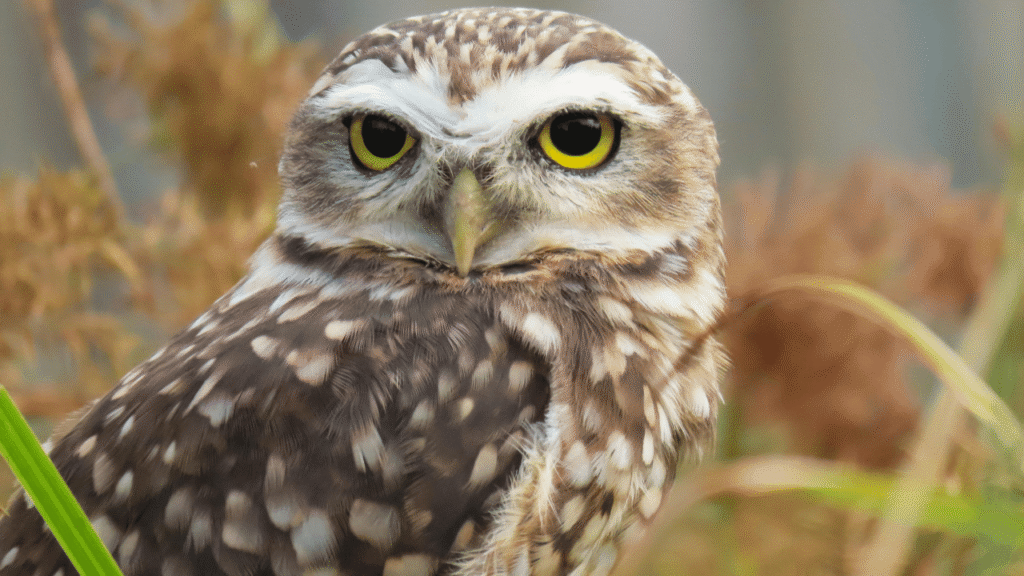
The bird’s image condenses ideas of protection, insight, and timely change into one vivid symbol.
Core symbols include quiet wisdom that helps you read complex situations and intuition that notices what logic may miss.
Core symbols: knowledge, guidance, and messages from the spirit realm
At their heart, owls mark deeper knowledge and the arrival of subtle messages from the spirit realm. Their night vision stands for clarity when circumstances feel murky.
Feathers often act as a sign of protection, urging healthy boundaries and energetic safety during transitions.
- Wisdom: helps interpret complexity and trust inner counsel.
- Guidance: messages that support right timing and confident action.
- Transformation: signals you are ready to shift old patterns.
Vocalizations like hoots can be prompts to slow down, listen, and reflect. These sounds often act as clear cues to pay attention to subtle cues.
Overall, owl symbolism centers on discernment: separating noise from truth and moving forward with integrity. Meanings adapt to personal context, so trust your intuition as you record and act on insights.
What Does Seeing an Owl Mean Spiritually
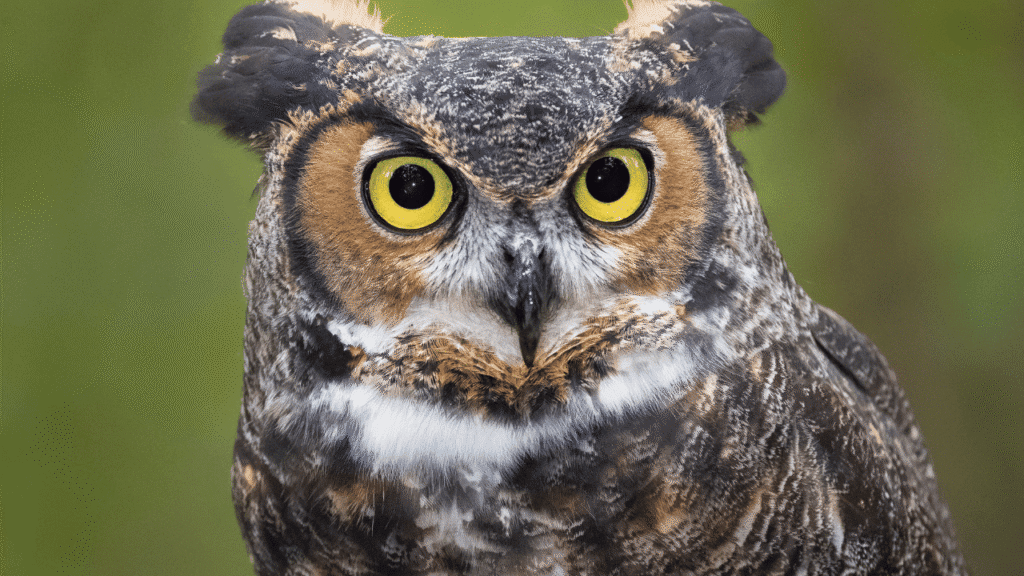
Timing and place turn a simple sighting into a clear signal about what needs attention. Context shapes the meaning you receive and how to act on it.
When and where you see it: context guides the message
Where a bird appears matters. If a sighting happens near a door, path, or window, it often points to choices or transitions ahead. Note the scene, your mood, and the exact time. These details help people translate messages into steps.
Daytime encounters vs. night sightings
A rare day sighting can be urgent — a prompt to pay attention now and act with practical clarity. Night encounters tend to ask for calm inner listening and steady trust as you navigate ambiguity.
- Context: place and moment change the sign.
- Pattern: repeated sightings form a mean see owl pattern — guidance unfolding.
- Quick method: pause, breathe, note body sensations, then write the first meaning that arises.
Across Cultures: How Owls Guide, Warn, and Transform
Around the globe, owls carry layered messages that guide, warn, and prompt transformation. Their image shifts with each culture, yet a shared thread ties those meanings together: these birds point to thresholds where careful attention serves life well.
Native American perspectives
Many native american tribes view owls as protectors and spirit messengers. In some communities they signal endings or the symbolic death of old cycles, urging respect for life’s passages.
Ancient Greece
Athena’s owl stands for foresight and strategy. As a goddess wisdom emblem, the bird links clear thinking to practical knowledge and careful leadership.
Christian symbolism
Scriptural images place owls in desolate places, inviting solitude, contemplation, and the search for hidden truth with humility.
Celtic views
Celtic lore casts owls as guides through underworld passages. They support seekers with courage, integrity, and honorable counsel during deep change.
Hinduism
As Lakshmi’s vehicle, the owl symbolizes prosperity, protection, and grounded spiritual care. It reminds people to steward resources with wisdom.
“Across cultures, the bird acts both as a guide and a warn-er—reflection and action arrive together.”
- Balanced view: cultures often see owls as guides and warners.
- Shared core: owls point to transformation and the duty to use knowledge with care.
- Respect: honor local meanings and learn from specific tribes with sensitivity.
For deeper reading on cultural layers and respectful exploration, consider this cultural overview that collects many traditional perspectives.
Is an Owl a Good Omen? Understanding Signs, Omens, and Protection
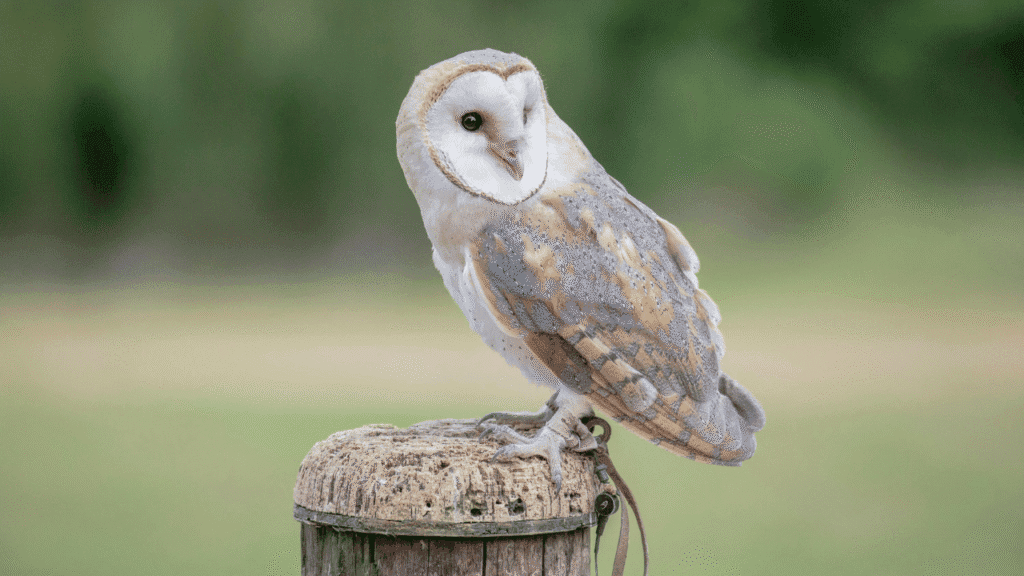
Through time, human responses to owl visits have ranged from dread to deep respect.
Historical accounts show mixed omens: Romans tied the bird to danger while Celts and Egyptians often saw guidance through thresholds of life and death.
Mixed omens in history, modern reassurance in times of change
Whether an omen feels good depends on context. Location, your mood, and the moment all shape its significance.
Ancient tales sometimes cast owls as warners, yet other stories show owls as guides that help souls cross unknown ground. Today many people report comfort when a bird appears during a transition.
- Protection: many view owls as guardians that invite clear boundaries and self-care.
- Messages: keep a journal; repeated notes reveal personal patterns and meanings.
- Change: a sighting can mark a turning point and steady courage for what comes next.
When you see an owl, pause and ask, “What is this sign protecting or preparing me for right now?”
“Reframe fear into curiosity; even tough omens can spark clarity and growth.”
In the present time, many experience owls as a calm, owl good omen that anchors discernment and gentle protection.
Seeing an Owl Up Close: Windows, Path Crossings, and Daylight Moments
An intimate sighting at a doorway or path can act as a clear prompt to pause and reflect. Close encounters often feel powerful, like a soft nudge toward a threshold in your life.
At your window: thresholds, introspection, and calls for clarity
A visit at a window speaks to the boundary between inner and outer worlds. The pane becomes a literal edge that asks you to bring attention inward and seek clarity.
If you see owl at this boundary, note your feelings. Calm or awe can mean readiness. Unease may point to needed work before a move forward.
A daytime sighting is rare and often carries urgency. When you encounter an owl in broad day, record the moment—time, place, thoughts—and listen for quick, practical messages.
- Close presence: a sign to focus on next steps in your life.
- Protection: proximity can suggest you are supported to do inner work now.
- Patterns: path crossings, repeat visits, and window appearances refine the sign.
Try a brief practice: place a hand over your heart, breathe slowly, and ask, “What wants my attention?” Wait quietly for the first impression. Let that guidance shape small, steady action.
“Close encounters can catalyze clarity: set boundaries, order priorities, and move with steady intent.”
Respect the bird. Observe without approaching and allow the moment to unfold. These up-close meetings can align inner knowing with outward action for lasting change.
Owls in Dreams: Messages, Meanings, and the Subconscious
When a silent watcher appears in sleep, the scene usually asks you to slow down and notice subtle truths. Dream owls often bring wisdom and hidden knowledge from the subconscious.
Common dream scenes and what they prompt
Silent watcher: pause before action. Observe feelings and surroundings to learn what your mind is tracking.
Owl in flight: gain perspective. This motif invites broader views and calm movement through change.
Navigating night: trust inner guidance. Moving through darkness suggests you can handle uncertain time with steady insight.
Reading the dream: three clear lenses
Emotions: note fear, calm, or curiosity—feelings color the message. Setting: context shows where the lesson applies. Actions: the owl’s behavior points to the next step.
“Trust the first impression you record; it often holds the clearest message.”
- Capture details on waking—time, mood, and image.
- Use a simple practice: ask for insight before sleep; write three lines after waking.
- Apply one small change inspired by the dream to honor its guidance.
How to Receive Owl Messages: Practical, Spiritual, and Reflective Steps
Create space to listen. Start with small, repeatable practices that help you notice subtle guidance and bring clarity to choice points in life.
Mindfulness and meditation to tune into wisdom and intuition
Begin with a short, step-by-step practice: sit quietly for three minutes, breathe slowly, and focus on the area around your heart. Notice sensations without judgment.
Try a brief visualization: imagine a calm, watchful bird offering a single word of guidance. Listen for the first impression; that is often the clearest message.
Journaling synchronicities and patterns to uncover guidance
Record dates, places, feelings, and any repeated signs. Over time this log becomes useful knowledge that turns random moments into meaningful patterns.
Create a personal lexicon: assign gentle meanings to recurring signs so they can guide practical action when needed.
Grounding practices for safety, clarity, and transformative change
Use simple grounding tools: slow breathing, barefoot contact with earth, and mindful walking. These bring protection and steady the body during change.
- Daily reflection: “Where is wisdom asking me to see beneath the surface today?”
- Share moments with trusted people to clarify insight.
- Take one aligned step at a time to honor gentle transformation.
“I welcome calm clarity and act with steady intent.”
Conclusion
What Does Seeing an Owl Mean Spiritually? Consider each encounter as an invitation to notice new meanings and open to quiet guidance. The owl often shows up during shifts to offer wisdom and calm support.
Across cultures the spiritual meaning and owl symbolism differ, yet many find the same thread: steady help for inner work. Let personal resonance guide how you interpret signs.
Pay attention to context—day or night, place, and feeling shape the message. Use simple practices like mindfulness, journaling, and grounding to amplify clarity and intuition as you move through change.
Respect wildlife and habitats. Ask which insight wants action today, take one small compassionate step, and trust that owls and your inner voice support your life ahead.
FAQ
What spiritual messages do owls often bring?
Owls frequently signal clarity, intuition, and the need to look beneath surface appearances. In many traditions they act as guides through uncertainty, encouraging deeper listening and inner knowing when life shifts.
Why are owls linked with wisdom and night vision?
Their nocturnal habits and silent flight made owls a natural emblem of seeing through darkness. Spiritually, this became a metaphor for insight that pierces illusion and for wisdom that appears when others cannot perceive truth.
How does context change the meaning of an owl sighting?
Time, place, and your state of mind shape the message. A bird calling outside at night may invite reflection; a daytime encounter can mark unusual change. Notice surroundings and emotions to read the sign accurately.
Are owls good omens or warnings?
Owls carry mixed omens across cultures. They can protect and guide, but also signal endings or transformation. The tone is often personal: a protective presence for one person, a call to release for another.
What do Native American traditions say about owl symbolism?
Many tribes regard owls as powerful spirit messengers connected to cycles of life, death, and protection. Interpretations vary by nation, but common themes include guidance through transition and respect for the bird’s sacred role.
How does Athena’s owl inform modern understanding?
In Ancient Greece, Athena’s owl symbolized strategic wisdom and foresight. That legacy endures in contemporary views of owls as symbols of clear thinking, learning, and the thoughtful use of knowledge.
Can an owl sighting relate to grief or endings?
Yes. Because owls often appear around thresholds and transitions, they can signal closure, mourning, or necessary transformation. The message typically encourages acceptance and inner preparation rather than fear.
What if I see an owl at my window or on my path?
Such close encounters highlight a threshold moment. Consider pausing, reflecting, and asking what needs attention. It’s a prompt to examine choices and invite clarity before moving forward.
How should I interpret daytime owl encounters versus night sightings?
Daytime meetings can point to unexpected insight or urgent change; night sightings emphasize inner work, intuition, and hidden truths. Compare your reaction and the situation to discern which applies.
What do owls mean in dreams?
In dreams owls commonly appear as silent watchers, guides in flight, or companions through dark places. They often represent intuition, a message from the subconscious, or the need to trust inner guidance.
How can I tune into messages an owl might bring?
Practice quiet mindfulness or meditation, journal coincidences and repeated signs, and spend time in reflective solitude. Grounding rituals—like breathwork or time in nature—help translate symbolic nudges into clear action.
Do owls symbolize protection in world cultures?
Yes. Across many traditions, owls offer protection through knowledge and foresight. Whether acting as guardians, guides, or omen-bearers, they often embody a watchful presence that supports safe passage through change.
Can seeing an owl boost my intuition or creativity?
Many people report heightened intuition or fresh insight after an owl encounter. Treat the sighting as an invitation to trust your instincts, experiment with new ideas, and explore hidden facets of a situation.
Is there a spiritual etiquette when encountering an owl?
Respect and stillness serve well. Observe quietly, avoid startling the bird, and reflect on any personal questions or decisions you face. A humble, grateful attitude aligns you with the owl’s guiding energy.
How do different religions view owl symbolism, such as Christianity, Celtic, and Hindu traditions?
Views differ: Christian themes emphasize contemplation and seeking truth; Celtic lore ties owls to the underworld and hidden wisdom; Hindu contexts sometimes associate owls with Lakshmi, linking the bird to prosperity and grounded spiritual insight.
What practical steps help me act on an owl’s message?
Keep a dream and synchronicity journal, set short reflection pauses during the day, and use grounding practices like walking in nature or focused breathing. These steps convert symbolic prompts into mindful decisions.
Can an owl sighting mean danger or death?
While some traditions associate owls with death, many modern interpretations focus on transformation rather than literal danger. Consider symbolism as a signal to prepare for change, not a fixed prediction of harm.

What Does Yellow Mean Spiritually Yellow is a radiant color with rich spiritual meaning: it commonly symbolizes joy, light, and mental positivity. Spiritually, yellow is linked to the solar plexus chakra and the intellect, and is often associated with self-confidence, creativity, and wisdom. Like any symbol, yellow can have a shadow side too—it may represent anxiety, jealousy, or timidity in some contexts. The color appears across dreams, love, personality profiles, and feng shui practices, and when used intentionally in daily life (for example, wearing a yellow scarf, adding a sunny accent pillow, or spending time in sunlight) it can support feelings of energy, learning, and fresh starts. Read on to explore yellow’s cultural history, dream meanings, role in relationships and personality, and practical feng shui uses.
Key Takeaways:Yellow represents joy, light, and mental positivity.
It symbolizes spontaneity, youthfulness, creativity, and wisdom.
Yellow can hold different symbolic meanings in dreams, love, personality, and feng shui.
Bringing more yellow into your life spiritually—through color, light, or decor—can foster action, learning, and new beginnings.
Yellow is associated with the solar plexus chakra, influencing self-worth, authenticity, and confident expression.Yellow Symbolism in History and Culture
Yellow has played an important role across many cultures, carrying layered symbolic meanings that range from material wealth to spiritual light. In ancient religious and court contexts the color often signified opulence, abundance, and prestige—worn by elites or used in sacred art to signal prosperity and divine favor.
Beyond material associations, yellow has long been linked with joy, clarity, and intellectual energy. Like gold or honey, yellow has suggested abundance and pleasure, while also connoting enlightenment, knowledge, and spiritual illumination in a variety of traditions. These meanings show how a single color can bridge earthly prosperity and inner wisdom.
The Symbolism of Yellow in Different Civilizations
Across civilizations, yellow’s meanings adapted to local beliefs and institutions. Below are representative associations that illustrate its cultural breadth:CivilizationSymbolic Meaning of YellowAncient Egypt
Yellow represented the sun, nourishment, and immortality. It was associated with the god Ra, symbolizing divine power and rebirth.Ancient China
Yellow was considered a prestigious color tied to imperial authority and power; it signified royalty, centrality, and prosperity.Ancient Greece
Yellow was connected with gods such as Apollo, associated with light, healing, creativity, and intellectual pursuits.Ancient Rome
Yellow evoked the sun and vitality — a color linked to life force, triumph, and occasionally to divine figures like Apollo.These historical examples show how yellow can mean both worldly abundance and spiritual illumination depending on context. Today the color still appears in national symbols, religious art, and ceremonial dress—a living thread from ancient meanings of prosperity and wisdom to modern expressions of joy and cultural identity.
What Does Yellow Mean SpirituallyThe symbolism of yellow in dreams is personal but often points to positive mental states or important signals from your subconscious. Bright, vivid yellow hues typically suggest joy, clarity, and creative energy, while muted or muddy yellows can carry caution or unease. To interpret yellow in a dream, note the shade, location, and the feelings you experienced—these details help reveal the spiritual meaning behind the color.
Positivity and Contentment
Vibrant yellow often reflects joy, optimism, and a sense of satisfaction in waking life. If you dream of warm, luminous yellow light or sunlit scenes, it can indicate a period of emotional uplift, renewed hope, or growing happiness.
Intellect and Creativity
Yellow is closely tied to the mind and intellect, so dreaming of yellow can signal new ideas, problem-solving breakthroughs, or creative inspiration. A sudden flash of yellow in a dream might mirror an “aha” moment or heightened mental clarity.
Alertness and Awareness
Because yellow attracts attention, it can represent heightened awareness or a prompt to pay attention. Dreams featuring signs, clothing, or objects in yellow may be asking you to notice details or opportunities you’ve overlooked.
Caution or Warning
Faded, sickly, or muddy yellow shades can suggest caution, anxiety, or feelings of insecurity. In these cases, yellow may be urging you to slow down, examine risks, or address unresolved worries.
Quick journal prompts to interpret your yellow dream: What shade of yellow did you see? Where did it appear? How did it make you feel? For example, dreaming of a bright yellow sunflower in an open field likely points to joy and growth, whereas a dim yellow light in a closed room may signal caution or unease. Note the context, trust your intuition, and use these observations to uncover the spiritual meaning of yellow in your dreams.
Yellow Symbolism in Love
In matters of the heart, yellow often signals excitement, hope, and a sunny outlook on relationships. The color evokes the freshness of new romance—the initial spark, curiosity, and the optimistic energy that comes with seeing the world through new eyes. Because yellow is associated with light and warmth, it can bring an uplifting, joyful tone to love and connection.
Yellow can also represent empowerment and activity in relationships: it suggests an openness to growth, playful communication, and the courage to express feelings. Someone drawn to yellow or perceived to have a yellow aura often projects charisma, confidence, and approachability—traits that naturally attract others.
That said, cultural context matters. For example, yellow roses commonly symbolize friendship and joy in many Western traditions, which makes them a gentle, optimistic choice early in a relationship. But color meanings vary worldwide, so be mindful of local interpretations when gifting or decorating.
How to Use Yellow in Relationships
Try small experiments to see how yellow affects your romantic energy: wear a yellow accessory on a date to boost confidence, place a yellow candle on your dining table to invite warmth, or send yellow flowers to express optimistic intentions. These simple acts can subtly shift mood and invite more light into a partnership.
Yellow in Love: Key TakeawaysYellow symbolizes excitement, hope, and a positive outlook on relationships.
It represents the joy of seeing the world through new eyes and fresh possibilities.
Yellow often signals new, active, and empowering phases in love.
A yellow aura may draw others because of charisma, confidence, and warmth.
Using yellow intentionally—gifts, clothing, decor—can help nurture optimism and connection.Yellow Symbolism in Personality
If you resonate with yellow, it often points to a mind that craves stimulation and variety. In symbolic personality frameworks (not clinical diagnoses), dominant yellow types tend to be logical, curious, and intellectually driven—people who enjoy debate, puzzles, and learning new things.
Those with a yellow aura typically project joy, clear communication, and confidence. They value humor and bright conversation, and they’re often drawn to partners and friends who can match their wit and curiosity. Yellow personalities may excel in fields that reward analytical thought and creativity, such as research, teaching, writing, or scientific work.
The Qualities of a Yellow PersonalityLogical and analytical
Curious and knowledge-seeking
Intellectual and idea-driven
Open-minded and communicative
Positive and charismaticPotential pitfalls include impatience, worry, or overthinking. Simple grounding practices—short mindfulness breaks, time in nature, or steadying breathwork—can restore balance. Quick self-check: do you prefer mental challenges, love sharing ideas, and feel energized by bright, creative projects? If yes to most, you likely identify with many yellow traits.
Yellow Symbolism in Feng Shui
In feng shui, yellow is valued as a bright, stabilizing color that can invite positive energy, prosperity, and mental clarity into the home when used with intention. While results are subjective and depend on belief and context, many practitioners use yellow to activate areas of the space associated with knowledge, relationships, and abundance.
Different Bagua maps and feng shui schools label corners differently; the guidance below follows a common Western Bagua interpretation. Placing yellow accents in the northeast (knowledge & self-cultivation area) supports intellectual growth and inner wisdom. Adding yellow to the southwest (relationship area) can warm the energy of partnerships and encourage connection.
Practical, low-risk ways to introduce yellow into your home: paint a small accent wall, add cushions or a throw in a soft yellow, or use warm yellow lighting (lamps or candles). Use bright or neon yellow sparingly—subtle, warm yellows (mustard, honey) usually promote comfort and balance better than intense shades.
The significance of yellow in feng shui
To harness the spiritual meaning of yellow in your home, set a clear intention for the corner or room before changing decor. Decide whether you want to invite knowledge, create more warmth in relationships, or cultivate prosperity, then choose yellow elements that support that goal.
Try a 7-day yellow experiment: pick one corner (northeast for study/learning or southwest for relationships), add a small yellow item, and journal any shifts in mood, clarity, or connection. Small adjustments and mindful observation help you evaluate whether the color brings the balance and growth you seek.Yellow Symbolism in Feng ShuiSpiritual MeaningSignificanceAttracts good fortune and prosperity
Represents brightness, warmth, and joy
Enhances positive energy and abundancePlacing yellow in the northeast promotes knowledge and self-cultivation
Stimulates intellectual growth and wisdom
Establishes a deeper connection with inner selfIntroducing yellow to the southwest enhances passion and love
Fosters warmth, joy, and romantic connection
Nurtures harmonious relationshipsConclusion
What Does Yellow Mean Spiritually — Yellow carries a warm, uplifting spiritual meaning. It commonly symbolizes joy, optimism, and mental positivity while also representing spontaneity, youthfulness, and creativity. Linked to the solar plexus chakra, yellow often relates to self-confidence, clear communication, and personal power; in symbolic systems it can help people feel more authentic and motivated to act.
Embracing the spiritual meaning of yellow is about inviting more light, clarity, and hopeful energy into daily life. Whether you notice yellow in dreams, in relationships, in personality frameworks, or in the corners of your home, the color tends to uplift, encourage growth, and support transformation. At the same time, be mindful that yellow’s shadow aspects (anxiety, jealousy, timidity) are part of its full meanings—acknowledging both sides creates a balanced approach to its use.
Try one small practice: add a yellow mug to your morning routine, wear a yellow accessory when you want extra confidence, or place a small yellow object in the northeast of your home to invite knowledge and clarity. Observe how these simple acts affect your mood, creativity, and connection with others—then adjust intentionally.FAQWhat Does Yellow Mean Spiritually?
Yellow holds symbolic spiritual meaning across many traditions: joy, light, mental clarity, and optimism. It is commonly associated with the solar plexus chakra, intellect, and self-worth. While yellow often supports confidence and creative energy, it can also signal worry or caution in certain contexts.
What is the symbolism of yellow in history and culture?
Historically, yellow has signified wealth, prestige, and divine light in various cultures—used in royal garments, religious art, and ceremonial objects. It has also symbolized knowledge, enlightenment, and abundance, though specific meanings vary by culture and period.
What is the symbolism of yellow in dreams?
In dreams, bright yellow usually points to positivity, insight, or creative ideas; muted yellow can indicate caution, anxiety, or unresolved concerns. Consider the shade, context, and feelings in the dream to interpret its spiritual message.
What is the symbolism of yellow in love?
Yellow in love often represents hope, excitement, and fresh beginnings. It suggests warmth, playful connection, and an optimistic outlook—though cultural differences (for example, floral meanings) can change how yellow is perceived.
What is the symbolism of yellow in personality?
If yellow resonates with you, it commonly indicates a curious, intellect-oriented temperament—someone energized by ideas, communication, and mental growth. These symbolic personality profiles are frameworks for insight, not clinical diagnoses.
What is the symbolism of yellow in feng shui?
In feng shui practice, yellow can invite prosperity, warmth, and positive energy. Strategic placement—such as adding yellow accents to knowledge or relationship corners—aims to promote growth, balance, and connection, though results are subjective and depend on intention.
What is the spiritual significance of the color yellow?
Overall, yellow’s spiritual significance centers on joy, hope, and mental clarity. It supports creative expression, personal growth, and energetic transformation when used with mindful intent. Incorporating yellow thoughtfully can brighten your life and nurture a sense of purpose and connection....

Rain is more than water falling from the sky — it often functions as a sign of renewal, a bridge between...

Full Moon Insomnia Spiritual Meaning Every full moon, many people notice they can’t sleep — a pattern...

Spiritual Meaning of Green Colors carry layered meanings, and green especially resonates with themes...
Blue Jay Spiritual Meaning Welcome — this guide explores the Blue Jay spiritual meaning and what a sighting...