
Discover the Spiritual Practice of Yoga
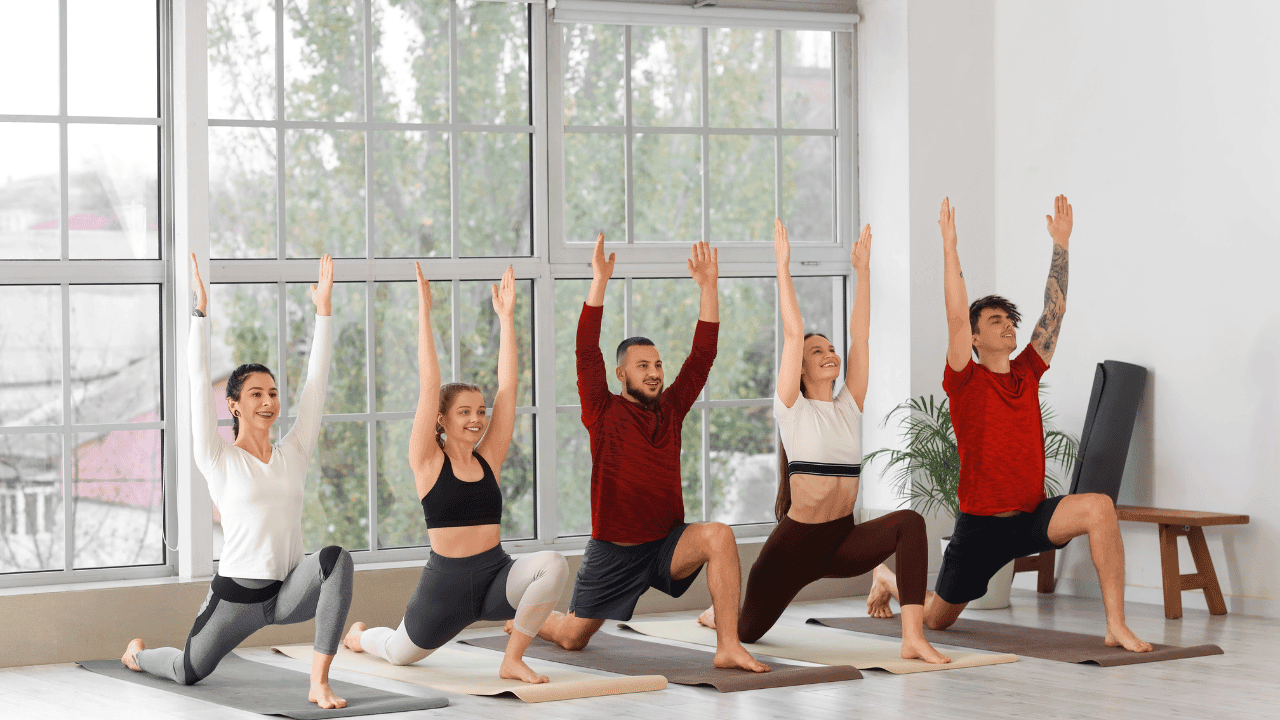
Spiritual Practice of Yoga. This guide invites you to see yoga as a living path, not only a workout. Here we set an intention: to explain the spiritual practice of yoga in clear, modern terms for readers in the United States.
You’ll get a plain definition, key ideas from classic texts, and simple ways to bring meaning into daily life. Expect short explanations about the word’s origin from Sanskrit yuj, the goal of inner union, and the role of breath and meditation.
Core promise: this path can steady the mind, make the body more felt, and open a deeper sense of spirit—however you define spirituality. We also name a modern challenge: postures often take center stage while ethics and attention training get sidelined.
Start where you are. Bring curiosity. Let this guide meet you with honesty and hope, and follow links like this perspective on yoga’s fuller potential for deeper reading.
Key Takeaways
- Yoga combines body, breath, and mind with a goal of inner union.
- The term comes from Sanskrit and points to joining or yoking.
- Modern classes often focus on postures, but the scope is wider.
- Simple steps—ethics, breath, attention—bring more meaning to life.
- Approach this path with curiosity and personal honesty.
Yoga Beyond Exercise: Why the Spiritual Dimension Matters
Many people meet yoga in a gym, but its aim goes beyond fitness to shape how we think and feel.
Yoga as a holistic system for mind, body, and spirit
Yoga trains attention, conditions the body, and refines inner life. This makes growth in the mind and heart a central thread, not an add-on.
What “spiritual” can mean without religion
Spiritual here means connection to self, values, and meaning. You do not need belief in any deity to notice clearer purpose, calmer reactions, and better relationships.
How modern posture-focused classes differ from traditional aims
Many Western forms favor postures and fitness. Traditional texts aim for steadiness of mind, ethical clarity, and reduced attachment.
Practical benefits: people come for stress relief and health and then find shifts in emotion, work, and daily choices.
- Holistic training links body, breath, and attention.
- Inclusive meaning supports anyone, regardless of belief.
- A posture-first start is valid—a doorway into wider methods.
What the Word “Yoga” Really Means: Union, Yoking, and Concentration
The term has roots in Sanskrit that give two clear images: joining and steady attention. The root yuj means “to attach, join, harness, yoke,” and classical grammarians point to related senses like yujir (“to yoke”) and yuj samādhau (“to concentrate”).
Union here is practical. It names reconnection with breath, values, and the body. When parts of life feel split, union points to integration rather than an escape.
Commentators on the Yoga Sutras often favor the concentration sense: training attention until the mind steadies. This reframes a session on the mat: poses become moments to practice focus and integrity, not performance.
“Yoga is the calming of mental fluctuations.”
- Union heals separation and deepens empathy for others.
- Concentration trains the mind to be clear and steady.
- Try reflecting where you feel divided—mind vs body or work vs rest—and notice small reunions.
For more background on the word and its meanings, see this article.
Where Yoga Comes From: Traditions, Texts, and Lineages
Tracing its roots shows how diverse teachings from ancient India shaped a rich living tradition.
The story begins in the early first millennium BCE. References appear in the Rigveda and early Upanishads, where inward inquiry and meditation start to take shape.
Patanjali and the Yoga Sutras then arrange many ideas into a clear framework. His sutras form a classical philosophy for steadying the mind and aiming toward inner freedom.
Hatha and later developments
From the 9th to 11th centuries, Hatha manuals—shaped by Tantra—emphasize the body as a tool for awakening. These texts add techniques that work with breath, posture, and subtle energy.
Many traditions, shared methods
This lineage is not a single line. Hindu, Buddhist, and Jain contexts all adopted and adapted similar forms. Each brings different emphasis but shares disciplined methods aimed at changing consciousness.
- Context: a family of disciplines formed in ancient India to transform awareness.
- Roots: Upanishadic inward turns toward self-knowledge and meditation.
- Framework: Patanjali’s sutras organize ethical and mental techniques.
- Evolution: Hatha and Tantra highlight the body as an instrument.
- Respect: study history alongside embodied work to avoid reducing this tradition to mere exercise.
The Goal of Yoga: Inner Peace, Liberation, and Pure Consciousness
The highest aim here is a mind that reacts less and a heart that feels more free.
Samadhi names deep integration: body, mind, and spirit align into steady calm. This is not escape but a clear, coherent wholeness that endures under stress.
Stilling the mind
“Yoga is the calming of mental fluctuations.” This Sutra (Yoga Sutras 1.2) points to a simple fact: when noise quiets, awareness sharpens and perception clears.
From everyday awareness to expanded consciousness
Expanded consciousness can mean moving from autopilot to presence. It looks like less compulsive scrolling, kinder self-talk, and fewer urges to prove yourself.
- Human goal: less reactivity, steadier decisions, lasting peace.
- Practical steps: short daily routines beat rare intensity.
- Result: a more resilient state and clearer consciousness.
Core Principles of Yoga Philosophy to Live By
Foundational principles give a frame for living with more calm, clarity, and connection. These ideas are not abstract; they shape everyday choices and reduce stress.
Unity and interconnectedness
What you do affects others and the world. Present unity asks you to notice how body, relationships, and community return to shape your inner life.
Self-discipline as steady kindness
Discipline here is gentle and practical. Small, regular commitments build steadiness and make long-term growth sustainable.
Non-attachment and freedom
Non-attachment frees you from being controlled by outcomes. You can care deeply without letting things steal your peace.
Mindfulness and present-moment awareness
Mindfulness trains attention so you choose responses instead of reacting. Short pauses break anxiety spirals and bring clearer perspective.
- Live unity: actions in the world shape inner states.
- Kind discipline: simple routines support lasting change.
- Let go: care without clinging to results.
- Return to now: awareness interrupts stress and opens choice.
“Where am I gripping? What distracts my mind? What would ‘enough’ feel like today?”
The Eight Limbs: The Complete Spiritual Practice of Yoga

The Eight Limbs offer a clear roadmap that links ethics, breath, posture, and attention into one system.
Yamas and Niyamas
Yamas give ethical roots for how we treat others. Simple moral habits calm the mind and reduce inner friction.
Niyamas are personal observances that steady daily life. Small commitments—truth, moderation, study—support long-term change.
Asana and Pranayama
Asana appears here as one limb. Postures prepare the body so sitting still feels safe and steady.
Pranayama is the bridge: breath links body mind and can shift your state in minutes when done with care.
Pratyahara, Dharana, Dhyana
Pratyahara means turning attention inward. In modern terms, it is learning not to be pulled by every notification or urge.
Dharana trains single-point focus. Practice builds this muscle one moment at a time.
Dhyana is sustained meditation—gentle, continuous awareness without forcing results.
Samadhi: Integration
Samadhi closes the loop. The path moves from outer habits to inner union, where absorption becomes felt, not just named.
“This system trains how you live, breathe, move, and pay attention.”
- Map: an integrated system for daily living.
- Ethics: behavior aligned with values so the mind quiets.
- Tools: breath and focus shift states fast.
Asana with Intention: Turning Postures into Practice
Turn each posture into a moment that reveals how your body and mind meet.
Using sensation and alignment to cultivate awareness
Notice sensation. Feel where muscles hold tightness and where breath moves freely. Let alignment be a guide, not a rule book.
Slower transitions help you track how the body responds. Small adjustments teach you where impatience or habit shows up. Over time, postures become a mirror for the self.
Releasing tension and clearing internal “noise”
When the body softens, the mind often follows. Gentle release can open space in your inner state and make sitting or meditating easier.
- Shift from “doing poses” to noticing patterns and habits.
- Use breath-led movement, pauses, and mindful alignment as tools.
- Honor limits: modify without shame and choose steadiness over intensity.
Remember: postures support meditation and inner freedom when approached with care. This approach turns a session into a meaningful practice that steadies attention and calms the system.
Breathwork and Prana: Why Pranayama Changes Your State
Breath can shift your whole nervous system in moments, changing how alert or calm you feel. This gives you a fast, accessible method to influence emotion and focus.
Pranayama is more than taking deep breaths. It is a set of techniques done with attention, timing, and respect for your capacity. Done right, these methods guide the body toward steadier energy and clearer awareness.
Breath control as a tool for calming the mind
Breathing patterns directly affect the nervous system. Longer exhales and steady rhythms lower reactivity and soothe the mind.
Start with short rounds: five slow breaths, pause, repeat. Stop if you feel dizzy or strained.
Balancing energy and cultivating equilibrium
Traditional teaching speaks in terms like rajas, tamas, and sattva. In plain terms, you learn to spot when you are over-stimulated or shut down and then shift toward calm peace and clarity.
- Why it works: breath links body and nervous system in real time.
- Beginner tip: gentle retention only when trained; keep sessions short.
- Health benefit: regular rounds support emotional regulation and a grounded sense of balance.
- Practical techniques: paced inhales/exhales, equal-count breaths, and guided cycles.
“The breath is a bridge between inner states and outer life.”
Meditation in Yoga: The Heart of the Inner Path
At heart, meditation trains you to meet thought and feeling with curiosity instead of habit. It is where the promise of these teachings becomes direct experience rather than theory.
Why it matters for growth
Meditation promotes inner peace, reduces stress, and supports lasting growth in consciousness. Regular time sitting helps reveal who you are beneath roles and reactivity.
Mindfulness for presence and emotions
Mindfulness meditation asks you to watch breath and notice thoughts without judgment. When you name emotions, they lose power and you gain steadier awareness.
Mantra as a tool for focus
Mantra meditation uses repetition—like “Om” or “So Hum”—to calm a busy mind. The word becomes an instrument that steadies attention and soothes agitation.
Visualization to cultivate calm and compassion
Use gentle imagery to build clarity and kindness. Visualizing calm scenes or a compassionate response trains the self to act wisely before stress arrives.
“Consistency matters more than intensity—short daily sits change consciousness more reliably than rare long sessions.”
- Core tip: start small, five minutes daily.
- Emotion skill: notice, name, and breathe through feeling.
- Mix methods: combine mindfulness, mantra, and visualization to suit the moment.
Mind, Emotions, and Behavior: How Yoga Reshapes Your Inner Life
Learning to watch your inner life can turn automatic reactions into conscious choices. That shift starts small but grows with steady attention.
Seeing patterns clearly to reduce stress and reactivity
As your awareness increases, you begin to notice how the mind repeats the same loops. Instead of being swept away by sudden feelings, you can see the first sign of a reaction.
That pause creates a choice point: breathe, name the sensation, then respond rather than react. Over time, stress drops because clarity replaces automatic habit.
Responding with compassion toward self and others
Greater insight into your own emotions tends to soften judgments about other people. When you recognize why you feel harsh or tight, you often meet others with more patience.
- Daily life becomes training: difficult emails, tense family talks, and rushed commutes teach presence.
- Simple in-the-moment tool: feel your feet, lengthen the exhale, soften the jaw, then choose one kind action.
- Long view: steady attention reshapes behavior slowly so your life moves toward more calm and peace.
“Notice the first stirrings of stress; that notice is the start of a wiser response.”
Ethics and Everyday Life: Practicing the Yamas and Niyamas Off the Mat
Small moral routines reduce inner friction and free attention for what matters. The yamas and niyamas are not abstract rules; they are tools you can use during work, family time, and online life.
Non-harming becomes wise boundaries: speak truth without cruelty, protect your energy, and avoid overwork that harms health. Truthfulness asks you to be honest with others and yourself.
Treat discipline as devotion. Regular sleep, short movement breaks, and deliberate attention turn values into steady habits. Self-study fits into small pockets of time: journaling, reflecting after conflict, and noting triggers.
What non-attachment looks like now
At work, do excellent work without tying worth to praise or promotion. At home, let go of needing control over every thing. Online, stop feeding comparison; choose connection over performance.
- Why it helps: these principles lower inner conflict so meditation and calm come easier.
- Set one ethical choice per day and watch your attention improve.
- Share kindness with others and protect your limits in a busy world.
Invite yourself to practice yoga off the mat: one small habit at a time becomes a lived way to meet daily life with more care.
Yoga and Spirituality: A Practice That Meets You Where You Are

The approach is practical: small habits that help people notice breath, quiet the mind, and treat others with care.
Tools to deepen any faith tradition
Breath and stillness can strengthen prayerful attention and humility without replacing existing rites. Simple breath work and short sits often make sacred texts and rituals feel clearer and more grounded.
A path for non-theists
Union can be read as wholeness, presence, and compassion rather than a theological claim. People who do not hold a belief in God still report calmer attention, kinder choices, and clearer priorities.
Namaste as relational care
Namaste—”the light in me honors the light in you”—becomes a prompt to listen, speak with care, and see beyond roles. This gesture trains generosity in small, everyday moments.
“Spiritual life becomes embodied when it shows up in how you treat others, hold stress, and forgive.”
- Yoga meets people where they are: religious, curious, or non-theistic.
- Choose one small element—breath, meditation, ethics, or service—and let it grow.
- For related devotional methods, see this guide to Hindu prayer methods.
How Yoga Relates to Other Philosophical Systems
Different schools arrive at the same horizon: less identification with a small self and more openness to the world.
Shared themes with Buddhism and Taoism
Unity is a common aim. Like Buddhism and Taoism, this strand points toward freeing the mind from ego-driven suffering and seeing interconnection across the world.
Humility and reduced clinging reshape how people act and relate in daily life.
What makes it distinct
This system is notable for combining ethical rules, body work, breath control, and meditation into one coherent path.
That integration gives consciousness a practical doorway: working with the body and breath makes attention training accessible for modern minds that struggle to sit still.
- Compare: shared aims—unity, compassion, and less self-centered suffering.
- Distinct: a full system tying ethics to concrete techniques.
- Benefit: somatic methods accelerate inner change in everyday life.
“Regardless of your philosophy, training attention and compassion changes your lived experience.”
Modern Yoga in the United States: Benefits, Misconceptions, and Respecting Roots
What arrived in the West as a set of postures has a longer story that traces to late 19th- and early 20th-century teachers. In the United States, studio culture made these forms widely accessible and turned physical sequences into mainstream wellness.
How it went global and became posture-forward
Swami Vivekananda introduced core philosophy to Western audiences, and later Paramahansa Yogananda set up a Kriya center in Los Angeles in 1925. These touchpoints helped ideas travel, while modern Hatha-derived forms emphasized asanas for public classes.
Clearing common misconceptions
Yoga is often mistaken for a religion. It is not inherently a faith system; it is a set of methods with philosophical roots that anyone can explore. Many people begin with postures and gain benefits without adopting any belief system.
Benefits beyond postures and why context matters
Postures support strength, mobility, and calm. Yet deeper value grows when breath, attention, and ethics join the work. Learning some philosophy alongside movement keeps the modern scene from feeling hollow.
- Access: wide availability in the United States brings health gains to many.
- Balance: pair asanas with breath and ethical study for fuller benefit.
- Respect: honor Indian tradition, learn context, and avoid cultural appropriation.
For those ready to bridge movement and meaning, start by reading more on poses and lineage — yoga for poses. Small study alongside regular work makes modern forms richer and more rooted.
“Popularity creates access; context creates depth.”
Building a Personal Yoga Practice That Supports Your Spirit

A clear, kind routine gives your attention something reliable to return to each day.
Choosing a focus
Pick one door that fits your season: breath for stress, meditation for clarity, ethics for relationships, or asana for embodiment.
Any choice is valid; each supports steady growth in awareness and self-kindness.
Creating a realistic rhythm
Short daily minutes add up. Aim for a few minutes each day rather than rare long sessions.
Two short asana sessions weekly, brief breath rounds several times a day, and short meditation sits work well.
Intentions and tracking growth
Begin with one-sentence intentions. Track changes in awareness, reactivity, sleep, and compassion—not only physical gains.
Gentle entry points
Try savasana to practice letting go, journaling for self-study, or sunrise stillness to reclaim attention from devices.
- Focus: match techniques to your need.
- Rhythm: minutes per day compound into habit.
- Measure: note growth in calm and kindness.
“Consistency beats intensity—small daily steps become lasting change.”
For more ways to add devotional or contemplative methods into a modern routine, see this resource.
Conclusion
Conclusion
Across this guide the message is clear: yoga is more than exercise; it is an integrated system that links ethics, breath, meditation, and embodied attention. When these elements meet daily life, calm and integration become real goals you can reach.
Honor the tradition while adapting methods to your nature. Learn with care, respect lineage, and test what helps you stay steady each day.
Start small: three mindful breaths, five minutes of quiet, or one ethical choice at work. For evidence tying regular routines to meaning and wellbeing, see this research on yoga and wellbeing.
Keep coming back. With steady effort, your days become the mat—each moment a chance to return to union and more lasting peace.
FAQ
What does the word “yoga” really mean?
The Sanskrit root yuj means “to yoke” or “to unite.” In classical texts it points to joining mind and body, and concentrating attention. That union can mean connection with the self, with others, or with a wider sense of consciousness. The idea guides breathwork, postures, meditation, and ethical living as a single system for growth.
How is this path different from just exercising?
While postures improve strength and flexibility, the fuller approach aims to change awareness and behavior. It blends breath control, discipline, meditation, and ethical choices so physical movement becomes a doorway to calm, clarity, and steadiness in everyday life.
Can someone practice this without following a religion?
Absolutely. Many people adopt these techniques—breathwork, mindfulness, and meditation—purely to cultivate peace, focus, and emotional balance. The methods support spiritual growth without requiring belief in a particular faith.
What are the main goals people pursue through this tradition?
Common aims include inner peace, reduced reactivity, and expanded awareness. Classical sources point to samadhi—deep integration and absorption—while modern students often seek improved well-being, clarity, and a steady mind.
What are the Eight Limbs and why do they matter?
The Eight Limbs provide a complete map: ethical conduct (yamas), personal observances (niyamas), postures (asana), breath control (pranayama), sensory withdrawal (pratyahara), focused attention (dharana), sustained meditation (dhyana), and absorption (samadhi). Together they guide daily life, not just movement on the mat.
How do postures become more than physical exercise?
When you attend to alignment, sensation, and breath, postures become tools for awareness. This mindset helps release tension, clear mental noise, and foster presence. Small shifts in intention turn movement into mindful embodiment.
What role does breath play in shifting state and mood?
Breath control directly influences the nervous system. Practices in pranayama can calm the mind, balance energy, and restore equilibrium. Simple breathing techniques often produce noticeable shifts in attention and emotion within minutes.
How central is meditation to this approach?
Meditation sits at the heart of the inner path. Techniques range from mindfulness to mantra and visualization. Each trains attention, refines awareness, and helps people respond to life with compassion and clarity.
How does this work help with emotions and behavior?
Regular work helps you see habitual patterns, reduce stress reactivity, and choose responses with more compassion. Over time it reshapes habits, improves emotional regulation, and supports ethical choices in relationships and work.
What do yamas and niyamas look like in daily life?
Yamas guide how you treat others—non-harming, truthfulness, and respect—while niyamas support inner steadiness through discipline, self-study, and devotion. Practically, they mean setting healthy boundaries, practicing honesty, and keeping a routine that nourishes clarity.
Is it respectful to learn these methods outside their original cultures?
Yes, when approached with curiosity and humility. Learn the philosophy alongside postures, credit sources, and support teachers who honor the origins. Cultural respect deepens practice and avoids reducing rich traditions to mere fitness trends.
How can a beginner build a steady routine?
Start small: a few minutes of breathwork, short seated meditation, or mindful savasana at the day’s edges. Set simple intentions, track gentle progress, and choose a focus—breath, ethics, or movement—that fits your life. Consistency matters more than duration.
What texts or teachers are foundational if I want to study deeper?
Key sources include the Upanishads and Patanjali’s Yoga Sutras for classical framing, and Hatha texts for body-based methods. Seek experienced teachers and reputable schools that teach philosophy, breathwork, and meditation alongside asana.
Can these methods support other faiths or spiritual paths?
Yes. Many people integrate breath practices and meditation into existing beliefs to deepen prayer, service, or reflection. The tools are flexible and can enrich diverse worldviews by strengthening attention, compassion, and presence.
Hoodoo Spirituality Practice. This short guide introduces hoodoo as a living set of root work traditions...

Wolves carry rich layers of meaning across cultures and spiritual paths. As a prominent wolf spiritual...

Welcome to The Free Mindfulness Project — a public initiative focused on practical tools and accessible...

Bee Spiritual Meaning, Bees carry deep, multilayered spiritual meaning across cultures — from practical...
Spiritual Beings Having a Physical Experience, You are more than roles, tasks, or daily labels. This...


