Full Moon Insomnia: Spiritual Meaning & Sleep Tips
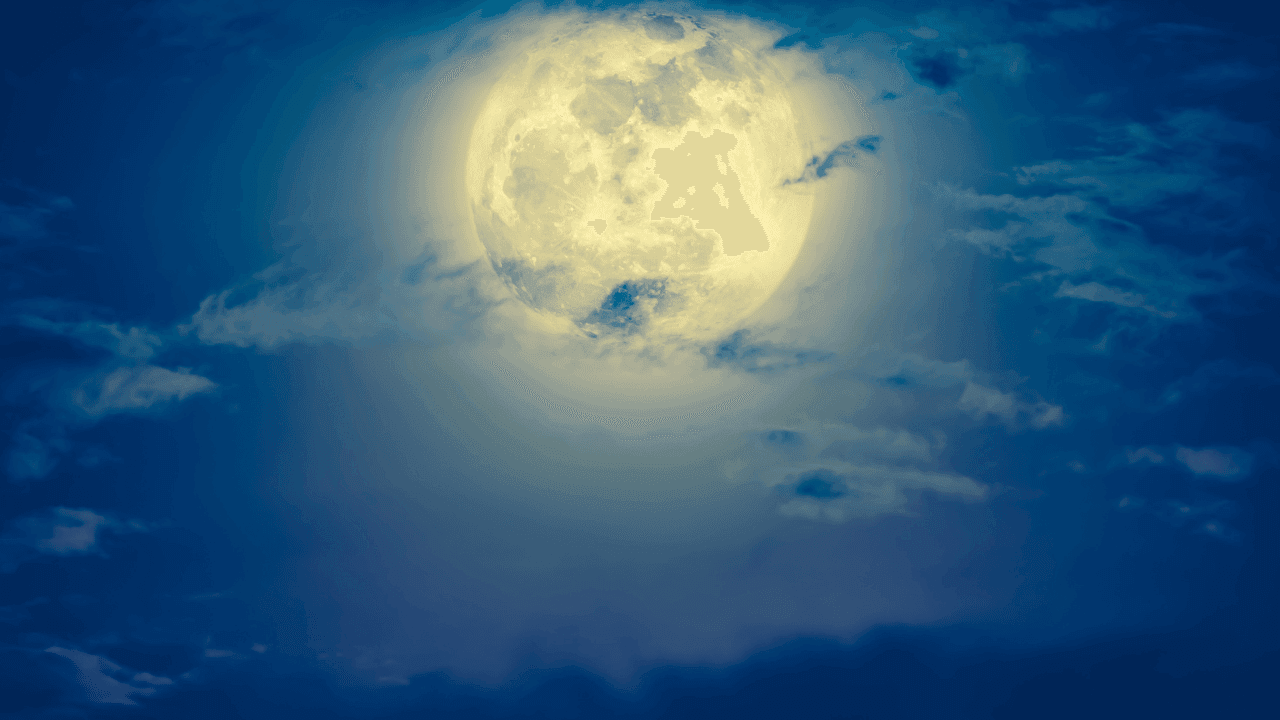
Full Moon Insomnia Spiritual Meaning Every full moon, many people notice they can’t sleep — a pattern that raises questions about how common sleep problems are and why they happen. This isn’t just folklore: some studies (see Science section below) report measurable changes in sleep around the full moon, and countless anecdotal reports from people worldwide reflect the same nightly disturbance.
The Sun and the Moon play a big role in these sleepless nights in two main ways: increased nighttime light and a perceived energetic opposition during the full moon. The moon’s extra brightness can shift the body’s circadian signals, making it harder to fall asleep or stay asleep. At the same time, many traditions describe an emotional or spiritual surge during the full moon that some people experience as restlessness.
Some people counter these effects with practical steps like blackout curtains to block moonlight and improve sleep. Others prefer spiritual approaches: placing crystals near the bed or using stones like moonstone, fluorite, labradorite, and black obsidian to create a calming ritual. Note: crystals are used as complementary, belief-based tools rather than replacements for medical treatment.
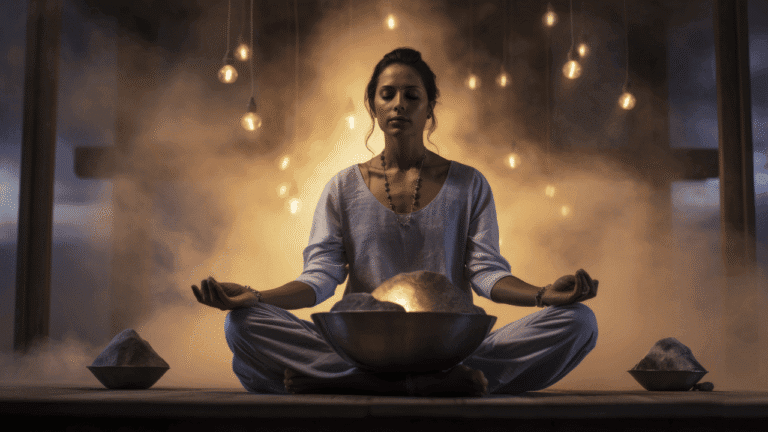
Alternatively, some choose to embrace wakefulness on full moon nights — turning bright, alert hours into time for rituals, meditation, journaling, or quiet reflection. Many report that these intentional practices lead to personal discoveries and spiritual clarity instead of simply tossing and turning.
Exploring why you can’t sleep during a full moon reveals both physical and spiritual connections between the moon and our nightly rhythms. Read on for a closer look at the science, common experiences, practical tips, and spiritual meanings so you can decide which approach fits your needs.
Key Takeaways
- Full Moon Insomnia Spiritual Meaning(see below): sleeplessness during a full moon is commonly reported and combines physical and spiritual explanations.
- Brightness and energetic friction during the full moon can disrupt sleep patterns via light exposure and heightened emotional states.
- Practical solutions like blackout curtains and consistent sleep hygiene can mitigate disturbances.
- Crystals and rituals are popular complementary methods to harmonize energy and support restful nights.
- Wakefulness can be reframed as an opportunity for introspection, creativity, and spiritual growth on full moon nights.
Introduction to Full Moon Sleeplessness
Sleep issues around the full moon are frequently discussed by both researchers and spiritual communities. Some studies report that people sleep less or take longer to fall asleep during the full moon phase of the lunar cycle, while other work finds little or no effect—so the topic remains debated.
Many spiritual traditions describe full moon nights as energetically charged moments in time. For those who follow these beliefs, activities like meditating, praying, or setting intentions during a full moon or the preceding new moon feel more potent and can heighten awareness — which some people interpret as contributing to disrupted sleep. At the same time, simple nighttime brightness from a prominent moon can also interfere with the body’s sleep signals.
Historical and cultural views have long tied human behavior to the moon. Classical writers such as Aristotle and Pliny the Elder recorded beliefs linking the moon to changes in mood and behavior—the root of words like “lunatic.” More recently, popular and clinical discussions have questioned whether emergency-room visits or violent incidents rise during full moons; reviews dating back to the 1980s reported mixed results, and some modern analyses even suggest no clear increase in crime or crisis events during this moon phase.
In short, the relationship between the moon and sleep combines culture, anecdote, and science. Read on to see the studies that report measurable changes, the counter-evidence that finds small or no effects, and practical suggestions for how people can manage sleep during bright, energetic full moon nights.
The Science Behind Full Moon and Sleep Patterns
Importance of full moon for sleep patterns has intrigued researchers and clinicians for decades. Some studies report that around the full moon people take longer to fall asleep, sleep for fewer minutes overall, and show reductions in deep sleep and changes in REM timing. Other studies find little or no effect, so the evidence is mixed and still evolving.
Notable findings include a controlled laboratory study that reported roughly 20–25 minutes less total sleep time and more awakenings around the full moon in a sample of about 319 participants; those participants also showed delayed REM sleep onset and lower subjective sleep quality. Similar patterns have been reported in smaller field studies of indigenous communities and in college-student samples.
By contrast, large-scale population research has sometimes found only very small changes. For example, a multinational study of sleep in children (several thousand participants across multiple countries) reported about a 1% reduction in sleep duration across moon phases, and other longitudinal analyses of clinical records (tens of thousands of patients over years) found no significant association between moon phase and broad mental-health metrics. These contradictory results mean the effect size — if it exists — is likely small and may vary by population, age, and context.
Insomnia and spiritual connection to full moon remain active topics in the field: scientists are testing hypotheses about mechanisms while acknowledging cultural and behavioral contributors.
Possible mechanisms under study
- Light exposure: A bright full moon increases nighttime light, which can suppress melatonin and shift circadian timing, reducing sleep quality and deep sleep.
- Circadian disruption: Altered cues from light and social behavior around certain moon phases may lengthen sleep latency or fragment sleep.
- Behavioral/social factors: Increased evening activity, gatherings, or heightened emotional arousal during full-moon events could change sleep patterns.
- Other hypotheses: Gravitational or electromagnetic explanations are often proposed in popular accounts, but there is limited empirical support for direct physiological effects at the human scale; these remain speculative.
Key studies at a glance
- Lab/actigraphy studies: Small-to-moderate samples (e.g., ~300 participants) reporting ~20–25 minutes less sleep and delayed REM during full moon nights.
- Large observational studies: Thousands of participants often show very small or no consistent differences across moon phases (e.g., ~1% changes in sleep time among children in multi-country samples).
Overall, research suggests the full moon may influence sleep patterns for some people — reducing sleep time, lowering sleep quality, and altering sleep stages — but effects vary across studies. Later sections summarize the primary research (with citations) and show practical steps to reduce moon-related sleep disruption, such as improving darkness in the bedroom and supporting healthy melatonin rhythms.
Full Moon Sleep Disturbances: Common Experiences
Many people report disrupted sleep on full moon nights. Common complaints include taking longer to fall asleep, more fragmented sleep, reduced deep (slow-wave) sleep, and waking up feeling less refreshed the next day — patterns that several studies have observed in some groups, though not consistently across all populations.
Across cultures and communities, anecdotal reports tie the full moon to heightened emotional intensity, vivid dreams, and restless nights. For some, this is framed as a spiritual surge tied to the moon phase; for others, simple increased nighttime light or social activity explains the change. Either way, the result for many people is the same: a night where sleep feels shallower or more interrupted.
Practical ways to cope with full-moon-related sleep disruption include evidence-based sleep-hygiene steps and gentle relaxation practices. Try these approaches:
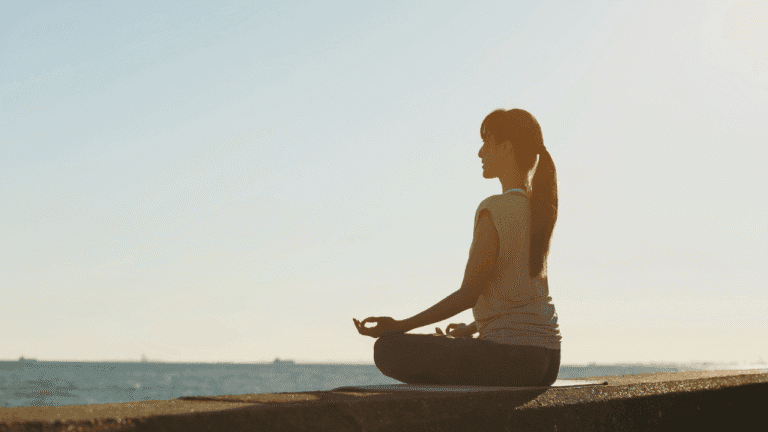
- Relaxation techniques: Practice a 15–20 minute pre-sleep routine of mindfulness, gentle yoga, or progressive muscle relaxation to lower arousal.
- Consistent sleep hygiene: Keep a regular bedtime and wake time, limit caffeine after mid-afternoon, and avoid alcohol before bed (see National Sleep Foundation guidance).
- Control bedroom light: Use blackout curtains or an eye mask to block moonlight and reduce melatonin suppression from ambient light.
- Natural aids: Consider calming rituals such as chamomile tea or lavender aromatherapy; consult a provider before trying supplements.
- Seek professional help: If sleep problems persist for weeks or impair daytime function, consult a sleep specialist or healthcare professional.
For clinicians, awareness of patients’ beliefs about the full moon can improve rapport and help tailor behavioral advice. For anyone tracking their sleep, a practical tip: log sleep for a month (noting moon phase) and share patterns with your clinician — data can clarify whether the full moon is a consistent trigger or a coincident factor.
Can’t Sleep Full Moon Spiritual Meaning
Have you noticed your sleep gets restless around a full moon? Many people report this, and within spiritual traditions the full moon is often seen as a time of heightened energy and emotional sensitivity. These are belief-based interpretations—valuable for personal meaning—but they sit alongside physical explanations (see science section) and should not replace medical advice if insomnia is persistent.
Energetic Friction Between the Sun and Moon
In astrological language, the full moon occurs when the moon opposes the sun, which practitioners describe as an energetic tension or “clash.” Many people interpret that opposition as raising internal energy levels and emotional charge, which can be experienced as restlessness or difficulty settling the body and mind for sleep.
Lunar Energy and Emotional Shifts
Across traditions, the moon is linked to emotions and intuition. During the full moon phase, some people report feeling more intuitive, emotionally intense, or mentally active—states that can make it harder to fall asleep. If you notice these patterns, consider short, low-risk practices that combine spiritual meaning with sleep support.
Simple night-of-full-moon practices to try (low-effort, sleep-friendly):
- 5–10 minutes of journaling to release racing thoughts and set an intention for rest.
- A brief guided meditation (8–15 minutes) focused on grounding breath to lower arousal.
- Light ritual combining intention-setting with turning down lights and using a sleep mask or blackout curtains to reduce stimulation.
Reframing wakefulness as an opportunity for reflection can help transform an otherwise frustrating night into a restorative practice. If sleep disturbances continue beyond a few nights or impair daytime function, prioritize sleep-hygiene steps and consult a healthcare professional.
Practical Tips to Manage Sleepless Nights During a Full Moon
Many people notice sleep is harder around the full moon — whether due to brighter nights, heightened emotion, or simply increased mental activity. You can improve sleep on those nights by combining behavioral sleep-hygiene steps with light-control measures that support your body’s natural rhythms.
Adopt a Relaxing Bedtime Routine
Build a 30–60 minute pre-sleep routine to downshift your body and mind before bed. A predictable routine trains your circadian system and makes it easier to fall asleep, even when the full moon affects your energy levels.
- Sample 30-minute routine: 20 minutes of quiet activity (reading, gentle stretching, or journaling), 5–10 minutes of guided breathing or meditation, and dimming lights the last 10 minutes before bed.
- Consistent schedule: Go to bed and wake up at the same times daily — regularity stabilizes sleep time and improves sleep quality.
- Avoid stimulants: Skip caffeine after mid-afternoon and limit nicotine or heavy alcohol before bedtime, which can fragment sleep.
Utilize Sleep-Friendly Environments
“A dark, quiet, and cool environment is paramount for restful sleep,” according to sleep-health guidance. Darkening your bedroom and minimizing light exposure supports melatonin production and deep sleep.
- Blackout curtains or eye masks: These are the simplest, most effective ways to block full-moon light and reduce melatonin suppression. Choose thick, tightly woven curtains or a comfortable mask for total darkness.
- Limit blue light: Use screen filters or enable night-mode on devices at least one hour before bed; blue light delays melatonin and can make falling asleep take minutes longer.
- Bedroom temperature: Keep the room cool (around 60–67°F / 15–19°C) to promote deeper sleep.
Calming Aids and When to See a Professional
- Natural calming aids: Try chamomile tea or a lavender-scented pillow spray as part of your routine — these rituals can reduce arousal. If considering supplements (melatonin, valerian, etc.), consult a healthcare provider first.
- Track and test: Log your sleep for a month, noting moon phase and sleep metrics; this helps decide whether the full moon is a real trigger or occasional coincidence.
- See a specialist: If poor sleep persists for several weeks, causes daytime impairment, or you suspect a sleep disorder (apnea, chronic insomnia), consult a sleep specialist or your clinician.
Studies indicate deep sleep can be reduced and time to fall asleep increased during some full-moon phases; these practical steps — darkness, a calming pre-sleep routine, and limiting stimulating substances and screens — help preserve sleep time and quality when lunar nights are active.
| FactorsStrategies | |
| Consistent Sleep Schedule | Maintain a regular bedtime and awakening time |
| Blackout Curtains | Block light to keep the room dark |
| Natural Sleep Aids | Use chamomile tea or lavender oil as calming rituals (consult provider about supplements) |
The Role of Crystals in Ameliorating Full Moon Insomnia
Many people turn to crystals as complementary tools when the full moon makes sleep elusive. While crystal use is belief-based and not supported by randomized clinical trials, centuries of cultural practice and contemporary users report that certain stones help them feel calmer and more connected during high-energy moon phases. If you choose to try crystals, treat them as part of a broader sleep-support plan (darkness, routine, and medical advice when needed).
Using Crystals for Protection and Relaxation
Practitioners often select crystals for their symbolic properties and for the ritual of preparing a sleep-friendly environment. For example, sources in crystal lore describe agate as grounding and soothing — qualities some people find useful when sleepless on a full moon night. These descriptions reflect metaphysical traditions rather than clinical proof, so present claims as anecdotal or cultural.
- Banded agate: Traditionally said to relieve insomnia and promote pleasant dreams (anecdotal).
- Botswana agate: Used in spiritual practice to calm the mind and reduce stress.
- Fire agate: Employed as a grounding stone to deflect perceived negative energy.
- Moss agate: Valued for fostering connection with nature and emotional healing.
- Amazonite: Chosen for its calming energy and stress relief in metaphysical circles.
- Amber: Historically used to promote cheer and lightness of spirit.
- Moonstone / Labradorite / Black obsidian / Fluorite: Popular choices for people seeking stones that align with lunar energy and promote relaxation around full moon nights.
How to Create a Simple, Sleep-Friendly Crystal Grid
For those who want a practical, low-effort approach, try a small, intentional crystal layout around your bed. Keep steps simple and sleep-centered:
- Choose one to three stones: Start with one main calming stone (e.g., moonstone or banded agate) plus a grounding piece (e.g., black obsidian).
- Cleanse and set intention: Rinse or smudge stones if you prefer, then quietly state your intention for rest (30–60 seconds).
- Place at the bedside: Put stones on a bedside table, under a pillowcase (if comfortable), or at the four corners of your bed at arm’s reach—avoid cluttering your sleep surface.
- Keep it simple: Use dim lighting and a short calming ritual (breathwork, 5–10 minutes journaling) before sleep to pair the crystal practice with proven sleep hygiene.
Safety note: Do not place sharp or heavy stones where they could fall, and avoid exotic treatments or ingesting materials. Crystals are complementary — if insomnia persists, prioritize medical evaluation.
Anecdotes and a Small Test You Can Try
Many users report subjective benefits: one person’s journal entry might say, “Using moonstone and a short grounding breath routine helped me relax and fall asleep on a full-moon night.” Treat these stories as personal accounts rather than evidence. If you’re curious, try a one-month experiment: pick a single inexpensive crystal, use the same simple bedtime ritual each full moon, track sleep in a journal or app, and compare sleep quality across moon phases.
| CrystalTraditional / Anecdotal Properties | |
| Moss Agate | Connection with nature, emotional healing |
| Botswana Agate | Calming, creative clarity |
| Fire Agate | Grounding, protective |
| Amber | Joyful, warming energy |
| Amazonite | Soothing, stress relief |
In summary, crystals can be a gentle, symbolic complement for people who feel affected by the full moon. Use them alongside evidence-based sleep strategies and, when appropriate, professional care — especially if poor sleep becomes frequent or severe. Experiment mindfully and track results so you know whether a crystal practice genuinely helps your sleep during lunar phases.
Personal Stories: Embracing Full Moon Wakefulness
Many people share anecdotal accounts of sleepless nights under the full moon, and those personal stories often shape how communities understand the moon’s influence on sleep. Whether or not you follow astrology, these firsthand experiences—ranging from mild restlessness to fully awake nights—resonate with others who notice similar patterns.
For years the author experienced waking during full moons; the combination of the moon’s brightness and the symbolic opposition to the sun (an astrological description) felt linked to those wakeful hours. That account is anecdotal, not a clinical claim, but it illustrates how personal ritual and intentional practices can change how we interpret sleepless nights.
Many people report using simple tools to transform wakefulness into meaningful time rather than frustration: meditating, journaling, or connecting with a group for a brief full-moon circle. Crystals such as moonstone or black obsidian are commonly used in these practices as symbolic anchors; users say they help create a feeling of protection or calm while awake.
One personal vignette recounts a quiet evening in Catalina under a bright full moon: instead of fighting sleep, the person sat with a short journaling practice and a grounding breath sequence and later described the experience as emotionally clarifying. This kind of story is useful as an example, but remember it is subjective.
Try this short ritual tonight (3 steps)
- Ground (2–3 minutes): Sit comfortably, take 6–8 slow breaths, and feel your feet on the floor.
- Journal (5–10 minutes): Write one thing you want to release and one intention for rest or growth.
- Set a gentle close: Dim lights, place a chosen stone (optional) on your bedside, and do a 5-minute guided relaxation before trying to sleep.
Journaling prompts to try: “What is keeping me awake?”; “What do I want to release tonight?”; “What small action tomorrow will help my rest?”
| FactorsImpact (anecdotal) | |
| Brightness of Full Moon | Can disturb light-sensitive sleepers |
| Energetic Friction (astrology) | Experienced as emotional tension by some people |
| Gravitational effects | Real but negligible at the human-body scale; not a proven cause of insomnia |
| Use of Crystals | Often helps users feel centered (subjective) |
| Personal Rituals | Can turn wakefulness into intentional practice |
If you find full-moon nights disrupt sleep regularly, treat these practices as complementary: try the ritual for a month while tracking sleep, and consult a clinician if poor sleep persists or causes daytime impairment.
The Symbolism and Spiritual Significance of the Full Moon
The full moon has been a potent symbol across cultures for millennia. Many spiritual traditions treat the full moon as a time of culmination—when intentions set around the new moon reach a peak—and a moment for release, reflection, and new insights. For some people this symbolic surge coincides with changes in sleep: heightened emotions or intuitive awareness during the moon phase can make it harder to rest.
Across societies, full-moon nights are linked to rites and festivals (for example, harvest and mid-autumn celebrations in East Asia, and full-moon pujas or observances in some Hindu and Buddhist contexts), underscoring the moon’s cultural role as a marker of time and transition in the lunar cycle.
Practically, many people report worse sleep during the full moon: difficulty falling asleep, fragmented rest, vivid dreams, or waking unrefreshed. Simple measures—consistent sleep habits, avoiding caffeine and alcohol before bed, and a short breathing or meditation practice—can help counteract those effects while still honoring the moon’s symbolic meaning.
Viewed together, the full moon’s spiritual significance and its potential influence on sleep need not be in conflict. Use the full moon as a prompt for intentional self-care: combine a small ritual (journaling, an intention-setting exercise, or a brief meditation) with proven sleep hygiene to support both spiritual growth and health.
conclusion
the spiritual meaning of full moon insomnia points to a time of heightened energy, awareness, and inner awakening. The full moon is believed to amplify emotions and subconscious thoughts, which can disrupt sleep while encouraging deeper self-reflection. Experiencing restlessness during this lunar phase may indicate a period of emotional release, spiritual growth, or intuitive alignment.
Rather than viewing full moon insomnia as a disturbance, it can be understood as an opportunity to slow down, tune into your inner voice, and realign your energy. By embracing grounding practices and mindful reflection, this wakefulness can become a meaningful moment of transformation—reminding us that the full moon often awakens not just the night sky, but the soul as well 🌕✨
FAQ
What is the spiritual significance of experiencing insomnia during a full moon?
Many people interpret insomnia during a full moon as a spiritual signal. In this view, the moon phase brings heightened energy or emotional clarity that can surface unresolved feelings or insights. Treat these interpretations as belief-based meaning-making: they can be comforting and useful for reflection, but they are not a substitute for medical care when sleep problems are persistent.
Can the full moon’s brightness really affect sleep patterns?
Yes — ambient light from a bright full moon can affect circadian signals. Light at night suppresses melatonin and can delay sleep onset, so simple measures like blackout curtains or an eye mask can help block moonlight and protect sleep quality.
Are there any scientific studies that support the idea that the full moon affects sleep quality?
Research is mixed. Some studies (including controlled actigraphy and lab reports) have documented small reductions in total sleep minutes and changes in deep or REM sleep around the full moon, while larger population studies sometimes find minimal or no effects. Research suggests any influence is likely small and may depend on the sample (age, culture, lighting conditions). See the Science section above for key study summaries and citations.
What types of sleep disturbances are commonly reported during a full moon?
People commonly report longer time to fall asleep, more awakenings, lighter or less deep sleep, vivid dreams, and waking feeling unrefreshed. These patterns have been reported anecdotally across cultures and observed in some research samples.
How can one manage sleep issues during a full moon?
Practical steps include keeping a consistent sleep schedule, building a 30–60 minute calming pre-sleep routine, darkening the bedroom (blackout curtains, eye mask), limiting screen time before bed, and avoiding late caffeine or alcohol. If you track sleep, note moon phase alongside your sleep metrics to see if a pattern emerges.
How do crystals help with insomnia during a full moon?
Some people find crystals like moonstone, fluorite, and labradorite helpful as part of a calming ritual. These experiences are subjective and cultural rather than clinically proven. If crystals help you feel calmer and that lowers arousal before bed, they can be a gentle complementary practice — used alongside evidence-based sleep strategies.
Are there any historical instances or cultural beliefs about full moon-induced insomnia?
Many cultures have long attributed special meaning to the full moon — from harvest festivals to religious observances — and folklore often links the moon phase to altered sleep and behavior. These cultural beliefs shape contemporary anecdotal reports but do not by themselves prove a universal biological effect.
What are some personal experiences of people dealing with sleepless nights during a full moon?
Personal accounts vary: some people treat wakeful full-moon nights as opportunities for meditation, journaling, or ritual; others experience frustrating disruption. If you experience repeated problems, consider recording sleep for a month (including moon phase) and consult a clinician if insomnia persists or impairs daily life.
When should I seek professional help?
If sleep problems last more than a few weeks, occur most nights, or cause daytime impairment (mood changes, trouble concentrating, excessive sleepiness), consult a healthcare provider or sleep specialist. Chronic insomnia often benefits from behavioral or medical interventions.
Further reading and resources
For a deeper look at the research and practical guidance, see peer-reviewed studies summarized in the Science section, and consult reputable sleep resources such as the National Sleep Foundation and peer-reviewed sleep journals. Tracking your sleep with an app or diary and comparing across moon phases can provide useful personal data.

What Does Yellow Mean Spiritually Yellow is a radiant color with rich spiritual meaning: it commonly symbolizes joy, light, and mental positivity. Spiritually, yellow is linked to the solar plexus chakra and the intellect, and is often associated with self-confidence, creativity, and wisdom. Like any symbol, yellow can have a shadow side too—it may represent anxiety, jealousy, or timidity in some contexts. The color appears across dreams, love, personality profiles, and feng shui practices, and when used intentionally in daily life (for example, wearing a yellow scarf, adding a sunny accent pillow, or spending time in sunlight) it can support feelings of energy, learning, and fresh starts. Read on to explore yellow’s cultural history, dream meanings, role in relationships and personality, and practical feng shui uses.
Key Takeaways:Yellow represents joy, light, and mental positivity.
It symbolizes spontaneity, youthfulness, creativity, and wisdom.
Yellow can hold different symbolic meanings in dreams, love, personality, and feng shui.
Bringing more yellow into your life spiritually—through color, light, or decor—can foster action, learning, and new beginnings.
Yellow is associated with the solar plexus chakra, influencing self-worth, authenticity, and confident expression.Yellow Symbolism in History and Culture
Yellow has played an important role across many cultures, carrying layered symbolic meanings that range from material wealth to spiritual light. In ancient religious and court contexts the color often signified opulence, abundance, and prestige—worn by elites or used in sacred art to signal prosperity and divine favor.
Beyond material associations, yellow has long been linked with joy, clarity, and intellectual energy. Like gold or honey, yellow has suggested abundance and pleasure, while also connoting enlightenment, knowledge, and spiritual illumination in a variety of traditions. These meanings show how a single color can bridge earthly prosperity and inner wisdom.
The Symbolism of Yellow in Different Civilizations
Across civilizations, yellow’s meanings adapted to local beliefs and institutions. Below are representative associations that illustrate its cultural breadth:CivilizationSymbolic Meaning of YellowAncient Egypt
Yellow represented the sun, nourishment, and immortality. It was associated with the god Ra, symbolizing divine power and rebirth.Ancient China
Yellow was considered a prestigious color tied to imperial authority and power; it signified royalty, centrality, and prosperity.Ancient Greece
Yellow was connected with gods such as Apollo, associated with light, healing, creativity, and intellectual pursuits.Ancient Rome
Yellow evoked the sun and vitality — a color linked to life force, triumph, and occasionally to divine figures like Apollo.These historical examples show how yellow can mean both worldly abundance and spiritual illumination depending on context. Today the color still appears in national symbols, religious art, and ceremonial dress—a living thread from ancient meanings of prosperity and wisdom to modern expressions of joy and cultural identity.
What Does Yellow Mean SpirituallyThe symbolism of yellow in dreams is personal but often points to positive mental states or important signals from your subconscious. Bright, vivid yellow hues typically suggest joy, clarity, and creative energy, while muted or muddy yellows can carry caution or unease. To interpret yellow in a dream, note the shade, location, and the feelings you experienced—these details help reveal the spiritual meaning behind the color.
Positivity and Contentment
Vibrant yellow often reflects joy, optimism, and a sense of satisfaction in waking life. If you dream of warm, luminous yellow light or sunlit scenes, it can indicate a period of emotional uplift, renewed hope, or growing happiness.
Intellect and Creativity
Yellow is closely tied to the mind and intellect, so dreaming of yellow can signal new ideas, problem-solving breakthroughs, or creative inspiration. A sudden flash of yellow in a dream might mirror an “aha” moment or heightened mental clarity.
Alertness and Awareness
Because yellow attracts attention, it can represent heightened awareness or a prompt to pay attention. Dreams featuring signs, clothing, or objects in yellow may be asking you to notice details or opportunities you’ve overlooked.
Caution or Warning
Faded, sickly, or muddy yellow shades can suggest caution, anxiety, or feelings of insecurity. In these cases, yellow may be urging you to slow down, examine risks, or address unresolved worries.
Quick journal prompts to interpret your yellow dream: What shade of yellow did you see? Where did it appear? How did it make you feel? For example, dreaming of a bright yellow sunflower in an open field likely points to joy and growth, whereas a dim yellow light in a closed room may signal caution or unease. Note the context, trust your intuition, and use these observations to uncover the spiritual meaning of yellow in your dreams.
Yellow Symbolism in Love
In matters of the heart, yellow often signals excitement, hope, and a sunny outlook on relationships. The color evokes the freshness of new romance—the initial spark, curiosity, and the optimistic energy that comes with seeing the world through new eyes. Because yellow is associated with light and warmth, it can bring an uplifting, joyful tone to love and connection.
Yellow can also represent empowerment and activity in relationships: it suggests an openness to growth, playful communication, and the courage to express feelings. Someone drawn to yellow or perceived to have a yellow aura often projects charisma, confidence, and approachability—traits that naturally attract others.
That said, cultural context matters. For example, yellow roses commonly symbolize friendship and joy in many Western traditions, which makes them a gentle, optimistic choice early in a relationship. But color meanings vary worldwide, so be mindful of local interpretations when gifting or decorating.
How to Use Yellow in Relationships
Try small experiments to see how yellow affects your romantic energy: wear a yellow accessory on a date to boost confidence, place a yellow candle on your dining table to invite warmth, or send yellow flowers to express optimistic intentions. These simple acts can subtly shift mood and invite more light into a partnership.
Yellow in Love: Key TakeawaysYellow symbolizes excitement, hope, and a positive outlook on relationships.
It represents the joy of seeing the world through new eyes and fresh possibilities.
Yellow often signals new, active, and empowering phases in love.
A yellow aura may draw others because of charisma, confidence, and warmth.
Using yellow intentionally—gifts, clothing, decor—can help nurture optimism and connection.Yellow Symbolism in Personality
If you resonate with yellow, it often points to a mind that craves stimulation and variety. In symbolic personality frameworks (not clinical diagnoses), dominant yellow types tend to be logical, curious, and intellectually driven—people who enjoy debate, puzzles, and learning new things.
Those with a yellow aura typically project joy, clear communication, and confidence. They value humor and bright conversation, and they’re often drawn to partners and friends who can match their wit and curiosity. Yellow personalities may excel in fields that reward analytical thought and creativity, such as research, teaching, writing, or scientific work.
The Qualities of a Yellow PersonalityLogical and analytical
Curious and knowledge-seeking
Intellectual and idea-driven
Open-minded and communicative
Positive and charismaticPotential pitfalls include impatience, worry, or overthinking. Simple grounding practices—short mindfulness breaks, time in nature, or steadying breathwork—can restore balance. Quick self-check: do you prefer mental challenges, love sharing ideas, and feel energized by bright, creative projects? If yes to most, you likely identify with many yellow traits.
Yellow Symbolism in Feng Shui
In feng shui, yellow is valued as a bright, stabilizing color that can invite positive energy, prosperity, and mental clarity into the home when used with intention. While results are subjective and depend on belief and context, many practitioners use yellow to activate areas of the space associated with knowledge, relationships, and abundance.
Different Bagua maps and feng shui schools label corners differently; the guidance below follows a common Western Bagua interpretation. Placing yellow accents in the northeast (knowledge & self-cultivation area) supports intellectual growth and inner wisdom. Adding yellow to the southwest (relationship area) can warm the energy of partnerships and encourage connection.
Practical, low-risk ways to introduce yellow into your home: paint a small accent wall, add cushions or a throw in a soft yellow, or use warm yellow lighting (lamps or candles). Use bright or neon yellow sparingly—subtle, warm yellows (mustard, honey) usually promote comfort and balance better than intense shades.
The significance of yellow in feng shui
To harness the spiritual meaning of yellow in your home, set a clear intention for the corner or room before changing decor. Decide whether you want to invite knowledge, create more warmth in relationships, or cultivate prosperity, then choose yellow elements that support that goal.
Try a 7-day yellow experiment: pick one corner (northeast for study/learning or southwest for relationships), add a small yellow item, and journal any shifts in mood, clarity, or connection. Small adjustments and mindful observation help you evaluate whether the color brings the balance and growth you seek.Yellow Symbolism in Feng ShuiSpiritual MeaningSignificanceAttracts good fortune and prosperity
Represents brightness, warmth, and joy
Enhances positive energy and abundancePlacing yellow in the northeast promotes knowledge and self-cultivation
Stimulates intellectual growth and wisdom
Establishes a deeper connection with inner selfIntroducing yellow to the southwest enhances passion and love
Fosters warmth, joy, and romantic connection
Nurtures harmonious relationshipsConclusion
What Does Yellow Mean Spiritually — Yellow carries a warm, uplifting spiritual meaning. It commonly symbolizes joy, optimism, and mental positivity while also representing spontaneity, youthfulness, and creativity. Linked to the solar plexus chakra, yellow often relates to self-confidence, clear communication, and personal power; in symbolic systems it can help people feel more authentic and motivated to act.
Embracing the spiritual meaning of yellow is about inviting more light, clarity, and hopeful energy into daily life. Whether you notice yellow in dreams, in relationships, in personality frameworks, or in the corners of your home, the color tends to uplift, encourage growth, and support transformation. At the same time, be mindful that yellow’s shadow aspects (anxiety, jealousy, timidity) are part of its full meanings—acknowledging both sides creates a balanced approach to its use.
Try one small practice: add a yellow mug to your morning routine, wear a yellow accessory when you want extra confidence, or place a small yellow object in the northeast of your home to invite knowledge and clarity. Observe how these simple acts affect your mood, creativity, and connection with others—then adjust intentionally.FAQWhat Does Yellow Mean Spiritually?
Yellow holds symbolic spiritual meaning across many traditions: joy, light, mental clarity, and optimism. It is commonly associated with the solar plexus chakra, intellect, and self-worth. While yellow often supports confidence and creative energy, it can also signal worry or caution in certain contexts.
What is the symbolism of yellow in history and culture?
Historically, yellow has signified wealth, prestige, and divine light in various cultures—used in royal garments, religious art, and ceremonial objects. It has also symbolized knowledge, enlightenment, and abundance, though specific meanings vary by culture and period.
What is the symbolism of yellow in dreams?
In dreams, bright yellow usually points to positivity, insight, or creative ideas; muted yellow can indicate caution, anxiety, or unresolved concerns. Consider the shade, context, and feelings in the dream to interpret its spiritual message.
What is the symbolism of yellow in love?
Yellow in love often represents hope, excitement, and fresh beginnings. It suggests warmth, playful connection, and an optimistic outlook—though cultural differences (for example, floral meanings) can change how yellow is perceived.
What is the symbolism of yellow in personality?
If yellow resonates with you, it commonly indicates a curious, intellect-oriented temperament—someone energized by ideas, communication, and mental growth. These symbolic personality profiles are frameworks for insight, not clinical diagnoses.
What is the symbolism of yellow in feng shui?
In feng shui practice, yellow can invite prosperity, warmth, and positive energy. Strategic placement—such as adding yellow accents to knowledge or relationship corners—aims to promote growth, balance, and connection, though results are subjective and depend on intention.
What is the spiritual significance of the color yellow?
Overall, yellow’s spiritual significance centers on joy, hope, and mental clarity. It supports creative expression, personal growth, and energetic transformation when used with mindful intent. Incorporating yellow thoughtfully can brighten your life and nurture a sense of purpose and connection....

Rain is more than water falling from the sky — it often functions as a sign of renewal, a bridge between...

Hoodoo Spirituality Practice. This short guide introduces hoodoo as a living set of root work traditions...

Spiritual Meaning of Green Colors carry layered meanings, and green especially resonates with themes...

Blue Jay Spiritual Meaning Welcome — this guide explores the Blue Jay spiritual meaning and what a sighting...