Discover Spiritual Benefits of Sage for Purification & Healing

Spiritual Benefits of Sage, Sage is a sacred herb prized across many cultures for its fragrant smoke and ceremonial use. Traditionally employed in smudging and other spiritual practice, sage supports purification, protection, wisdom, and healing, and is often used to create a clear, centered space for meditation and ritual. In this article we outline the spiritual benefits of sage, practical cleansing methods, and guidance for using sage responsibly and respectfully (spiritual uses of sage).
Key Takeaways
- Sage is widely used across cultures for its spiritual and ceremonial benefits.
- Common uses include purification, cultivating wisdom, protection, and emotional healing.
- Smudging and other cleansing rituals are used to clear negative energies and promote spiritual clarity.
- Sage can be incorporated in several forms—smudge sticks, herbal oils, dreamwork, and, with caution, consumables like tea or tinctures—but know the differences and safety considerations.
- Ethical sourcing and cultural awareness are essential: choose responsibly and respect the traditions that honor sage.
Read on to learn safe smudging steps, ethical sourcing tips, and simple sage practices you can try at home.
The Spiritual Significance of Sage
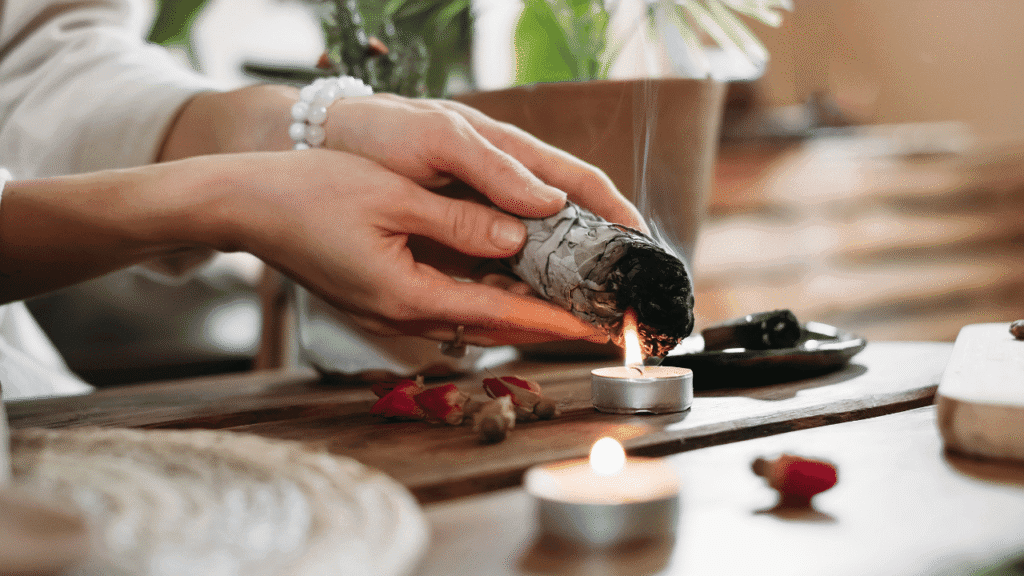
Sage—also known as a sacred herb—holds deep spiritual meaning across many traditions. Its fragrant smoke is commonly used in energy cleansing and purification practices to clear stagnant or negative energy, create a calm atmosphere, and prepare a space for meditation, prayer, or ritual.
Beyond simple cleansing, sage is valued for its ability to support clarity of mind and insight. Many people use sage to cultivate wisdom, focus, and a centered state of awareness before engaging in spiritual work. In these contexts the plant’s properties help practitioners feel more grounded and receptive to guidance from spirit guides, ancestors, or inner intuition.
Sage is also associated with protection and renewal. In ritual use it can mark a boundary of sacred space, helping practitioners feel shielded from unwanted influences while they process emotions or work toward healing and personal growth. These uses are rooted in cultural practices and spiritual beliefs rather than empirical claims, so they are best described as traditional or experiential.
Because “sage” refers to several related plants, practices vary: some communities burn bundles (smudge sticks), others use loose leaves or essential oils. The sensory element—the smoke and aroma—plays a central role in the experience, helping people transition into contemplative states and supporting energetic clearing.
In short, the spiritual significance of sage spans purification, clarity, protection, healing, and connection to the divine—roles that many cultures have honored for generations. For a closer look at how different societies use sage, see the cultural history section below.
| Spiritual Significance of Sage | |
| Purification and Cleansing | Sage is used to cleanse negative energies and purify spaces. |
| Wisdom and Clarity | Sage enhances insight, wisdom, and spiritual clarity. |
| Protection | Sage acts as a protective shield against spiritual harm. |
| Healing and Renewal | Sage facilitates emotional healing and renewal of the spirit. |
| Connection to the Divine | Sage fosters a deep connection with spiritual guides and ancestors. |
Sage Through the Ages and Cultures

Sage has a long, varied history and appears in spiritual practices across many cultures. Different peoples have used sage for purification, protection, and healing, and those practices evolved separately in distinct cultural contexts. Below we summarize key uses and offer pointers to respectful, informed practice.
Indigenous Traditions: Native American Ceremonies
In many Indigenous North American communities, sage—particularly white sage (Salvia apiana)—is regarded as a sacred plant used in smudging and ceremonial rites. These practices are embedded within specific tribal protocols and relationships; sage is used to cleanse people, objects, and places, to restore balance, and to strengthen spiritual connections. Because these are culturally specific customs, it’s important to honor protocols, seek permission when participating, and prioritize Indigenous guidance and suppliers.
Ancient Egypt: Immortality and Protection
Ancient Egyptian sources reference aromatic and medicinal plants in ritual contexts; historical accounts link sage with protection and preservation. While some texts and archaeological finds suggest sages were used in funerary and ritual settings, exact practices varied—so describe these uses as historical associations rather than universal prescriptions.
Ancient Greece: Purification and Philosophical Use
The ancient Greeks prized certain sages for their cleansing and medicinal qualities. Writers and physicians of the classical period noted herbs for physical and mental purification and for creating environments conducive to contemplation and learning. In that cultural setting, aromatic plants helped establish an atmosphere for intellectual and spiritual activity.
Chinese Herbal Medicine and the Americas
Several Salvia species appear in traditional Chinese medicine and have been used for a range of health-related purposes (note: “sage” in TCM refers to specific botanicals, not necessarily Salvia apiana). In Central and South America, indigenous peoples also used local sages and related herbs in healing and protective rituals. Because “sage” can mean different species across regions, clarity about the botanical identity matters for both historical accuracy and safety.
Cultural Uses of Sage
| CultureSpiritual Significance | |
| Indigenous American | Purification, ceremonial use, ancestral connection (white sage/Salvia apiana in some communities) |
| Ancient Egyptian | Protection, ritual association, preservation |
| Ancient Greek | Purification, supportive environment for study and discourse |
| Chinese | Medicinal uses (species-specific), healing applications |
| Central & South American | Healing rituals, protective uses, ancestral practices |
Across these many cultures, sage was adapted to local needs and species—so the word “sage” covers multiple botanical types. When working with sage today, differentiate the type you are using (white sage vs. culinary sage, for example), and consider both the historical context and contemporary ethical concerns about sourcing and cultural respect.
How to Work with Sage

Working with sage is a gentle, adaptable practice with many benefits for spiritual and personal wellbeing. Below are accessible, actionable ways to include sage in your routine—along with safety notes and suggestions for different types of sage and sage bundles.
Sage-infused Meditation
Create a focused meditation by briefly lighting a sage bundle and allowing it to smolder; waft the smoke around the room for 20–30 seconds to clear the immediate space, then sit and breathe deeply as the aroma settles. The sensory presence of sage can calm the mind, support grounding, and enhance contemplative states—properties that help many practitioners enter a deeper meditative practice.
Herbal Oil Infusion
To make a simple sage-infused oil: place dried leaves in a heat-safe jar, cover with a neutral carrier oil, and warm gently in a double boiler for 1–2 hours (keep the temperature low). Strain and store in a dark bottle. Use a small amount for ritual anointing or before bathing to create a protective, cleansing field around the body.
Dreamwork with Sage
For dreamwork, tuck a small, dry sprig (not a freshly damp bundle) under your pillow or keep it near your bedside. Many people report more vivid or insightful dreams; try this sparingly and note how your body and sleep respond.
Tea or Tinctures (Use Caution)
Sage can be taken as a tea or tincture, but ingestible uses require caution: different species have different active compounds, and some (or large amounts) may interact with medications or be unsafe during pregnancy. If you consider sage tea or tincture, consult a qualified herbalist or healthcare provider and confirm the botanical species. A typical mild tea recipe: steep 1 teaspoon dried culinary sage (Salvia officinalis) in 8 oz hot water for 5–10 minutes; do not exceed recommended amounts and stop use if you experience adverse effects.
Benefits of Working with Sage
| BenefitsDescription | |
| Purification and Cleansing | Sage clears perceived negative energy and refreshes the feel of a space. |
| Enhanced Clarity and Connection | Using sage before meditation can sharpen focus, support insight, and deepen connection to intuition and guides. |
| Protection and Energy Shielding | Sage-infused oil or boundary-smudging with a sage bundle can help mark sacred space and encourage a sense of protection. |
| Inspired Dreamwork | Placing a small sprig by the bed can encourage vivid dreams and subconscious exploration. |
| Physical and Spiritual Support | Informed consumption (tea/tincture) and topical use may offer supportive, traditionally reported benefits—confirm species and safety first. |
Try this beginner practice: in a well-ventilated room, light one end of a sage bundle, let it burn for a few seconds, then gently blow out the flame so it smolders; walk slowly through your space with the bundle held over a fireproof bowl, focusing on a clear intention (e.g., “clear the space”). Extinguish fully when finished. If smoke is a concern, use a few drops of sage essential oil in a diffuser or burn a small amount of loose dried leaves briefly.
When experimenting, consider the types of sage you use (white sage vs. culinary sage) and the many benefits each method can offer. Always approach the plant with respect, and prioritize sustainable sourcing and appropriate guidance for ingesting or performing ceremonial practices.
The Importance of Ethical Considerations

When working with sage for spiritual purposes, ethical, ecological, and cultural awareness should guide every choice. Thoughtful sourcing and respectful practice help protect the plant, honor the people who steward it, and preserve the environments where sage grows.
Protecting White Sage
White sage (commonly Salvia apiana) holds deep ceremonial value for many Indigenous communities. Because of high demand, white sage populations in the wild have faced pressure; organizations such as United Plant Savers list certain wild-harvested plants as at-risk. Protecting white sage means prioritizing cultivated sources, supporting Indigenous-led enterprises, and avoiding wild-harvested material unless it comes from verified, sustainable programs.
Cultivation and Harvesting
Choose cultivated or home-grown sage whenever possible to reduce impact on wild populations. If you harvest sage yourself, follow responsible techniques: take only small amounts from mature plants, rotate harvest sites, and avoid uprooting whole plants. Growing common culinary varieties at home (e.g., Salvia officinalis) is an easy, sustainable alternative that still offers many of sage’s aromatic and ritual benefits.
Ecological Awareness
Be mindful of the broader environment when buying or harvesting herbs. Overharvesting reduces biodiversity and weakens ecosystems. Support farmers who use regenerative practices and vendors who disclose provenance and cultivation methods. When in doubt, ask sellers about sourcing—transparency is an important sign of responsible practice.
Cultural Awareness
Sage is woven into the spiritual lives of many people and cultures, especially Indigenous American communities. Approach these traditions with humility: learn about the cultural context, seek permission when attending ceremonies, and avoid commodifying sacred practices. Whenever possible, prioritize Indigenous teachings and purchase from Indigenous-owned businesses or suppliers who give back to source communities.
Practical choices—where you buy, which species you use, and how you harvest—make a real difference. Below is a short sourcing checklist to help you choose wisely.
| Benefits of Ethical ConsiderationsActions to Take | |
| Promotes environmental sustainability | Choose cultivated or self-grown sage varieties; avoid wild-harvested white sage unless from verified sustainable sources |
| Preserves cultural heritage | Approach sage with cultural sensitivity and respect; learn from Indigenous sources |
| Supports biodiversity | Practice responsible harvesting techniques and support regenerative farming |
| Fosters community empowerment | Support Indigenous American initiatives, Indigenous-owned suppliers, and sustainable farming practices |
Sourcing checklist (quick): prefer cultivated/locally grown sage; ask about provenance; support Indigenous sellers; choose alternatives (culinary sage, essential oils) if wild white sage is unavailable; grow a small sage plant at home. Making these choices helps protect Salvia apiana and the environments and communities connected to it.
The Benefits of Burning Sage
Burning sage can offer both traditional and experiential benefits for home ritual and personal wellbeing. Many people report that smudging clears stagnant energy and creates a calmer atmosphere; some studies and traditional accounts also point to sage’s antimicrobial properties, though scientific evidence varies by species and method. Used mindfully, burning sage may support relaxation, reduce feelings of anxiety or stress, and encourage a sense of peace.
Air Purification
One commonly cited benefit of burning sage is its effect on the air. The smoke contains compounds that have shown antimicrobial action in some laboratory studies, and traditional practices describe smoke being used to cleanse spaces of harmful microbes or stale energy. Note: smoke-based methods are not a substitute for ventilation or air filtration—use smudging in well-ventilated areas and avoid relying on it as the sole air-purification strategy.
Sleep Improvement
Many practitioners burn sage before bed to create a soothing environment that supports better sleep. The calming aroma and ritual of smudging can help quiet the mind and reduce pre-sleep stress, which may improve sleep quality for some people.
Cognitive Enhancement
The scent and ritual of burning sage can also sharpen focus and mental clarity for meditation, study, or creative work. Anecdotal reports suggest improved concentration after smudging; again, frame these effects as experiential rather than guaranteed physiological outcomes.
Practical safety note: burning sage produces smoke and particulate matter—people with respiratory conditions, allergies, or sensitivity to smoke should avoid burning sage or use alternatives like sage essential oil, diffusers, or smoke-free cleansing practices. When you do burn sage, do so briefly in a ventilated space and fully extinguish embers in a fireproof container.
The Practice of Smudging and Burning Sage

In many spiritual traditions, smudging with sage is a ceremonial ritual for energy clearing that uses fragrant smoke to refresh a space or person. Whether you’re new to smudging or an experienced practitioner, approach the practice with clear intention, cultural respect, and careful fire safety.
Understanding the Power of Purification
At its core, smudging is about purification: the smoke from a sage bundle is used to move stagnant energy, invite renewal, and create a sense of balance in a room or around an object. Many people combine the physical action of wafting smoke with a focused mental or spoken intention to amplify the energetic effect.
Setting Your Intentions
Before you begin a ritual, take a moment to set a specific intention—for example, “clear negative energy,” “invite calm,” or “protect this space.” Stating your intention quietly or aloud helps focus attention and makes the energy cleansing purpose of the smudging clear to you and anyone present.
Mindfulness and Respect for Sacred Traditions
Smudging originates in particular cultural contexts and should be practiced with humility. Learn from and credit the communities who passed these traditions down, avoid appropriating ceremonial forms, and seek permission or guidance when participating in community ceremonies.
Fire Safety Precautions
Fire safety is essential. Use a reliable fireproof bowl (or abalone shell) on a stable surface to catch embers. Light the tip of your sage bundle, let it burn for a few seconds (about 5–20 burn seconds), then gently blow out the flame so it lets smolder and releases smoke. Never leave burning materials unattended—never leave burning sage or embers unattended—and keep water or a fire extinguisher nearby for emergencies.
Wafting Smoke with Intention
Hold the sage bundle over your fireproof bowl, and, using a feather, fan, or your hand, waft the smoke into corners, doorways, and across areas you wish to clear. Move slowly through the space, paying attention to areas that feel heavy or stagnant. If you are cleansing an object or person, pass the sage bundle around them at a respectful distance so the smoke envelops without discomfort.
Practical safety tips: if anyone present has respiratory issues, children are nearby, or pets are in the home, consider alternatives such as sage essential oil in a diffuser, a smoke-free cleansing spray, or a short-focused smudge in a well-ventilated area. Always fully extinguish the bundle by pressing it into your fireproof bowl or sand and confirm there are no glowing embers before leaving it.
Remember that smudging with sage is both a personal and communal practice. Adapt steps to your needs, honor the plant and traditions, practice fire safety, and use intention to guide the cleansing.
Conclusion
Spiritual Benefits of Sage — Sage is a versatile sacred herb whose uses span purification, protection, healing, and cultivating inner clarity. When used with intention and respect, sage can support a spiritual practice by helping to clear negative energy, center the mind, and create a calm space for reflection or ritual.
As you explore the spiritual benefits of sage, prioritize ethical choices: source cultivated varieties or grow sage at home, favor Indigenous-led suppliers when possible, and learn the cultural context behind smudging and ceremonial uses. Combining respectful practice with simple rituals—such as a brief, well-ventilated smudge before meditation—lets you enjoy many benefits while protecting communities and the environment.
Use sage as a supportive tool, not a cure-all: frame claims about air purification, antimicrobial effects, or improved sleep as traditional or emerging findings and consult reliable sources for health-related questions. For those ready to try a gentle starter ritual, see the beginner practice in the “How to Work with Sage” section and consider downloading our quick sourcing & safety guide to get started.
FAQ
What is sage used for spiritually?
Sage is used for purification and cleansing, cultivating wisdom and clarity, protection, emotional healing, and fostering connection with spiritual guides or ancestors [traditional uses].
What are some sacred sage benefits?
Sage is believed to clear away negative energy, enhance spiritual clarity, and create a sacred atmosphere for meditation and ritual [traditional/experiential].
How is sage used in cleansing rituals?
Sage is commonly burned so the fragrant smoke can be wafted through a space, around objects, or over a person to symbolically remove stagnant energies; practice with intention and fire safety.
What ethical considerations should I be aware of?
Source wisely: prefer cultivated sage, support Indigenous-owned suppliers, and avoid wild-harvested white sage (Salvia apiana) unless provenance and sustainable harvesting are verified. Respect cultural protocols when participating in ceremonies.
Are there health or air-purifying benefits?
Some laboratory studies and traditional accounts point to antimicrobial properties of sage compounds, but smudging is not a replacement for ventilation or medical treatment. Frame such claims carefully and consult scientific sources for specifics.
How do I start a simple sage practice?
Begin with a short, intentional smudge in a ventilated room using a sage bundle and a fireproof bowl. Set a clear intention, let the bundle smolder (don’t leave it burning), waft the smoke for 10–30 seconds per area, and fully extinguish when finished. See the “How to Work with Sage” section for a step-by-step beginner practice.
What Does Yellow Mean Spiritually Yellow is a radiant color with rich spiritual meaning: it commonly symbolizes joy, light, and mental positivity. Spiritually, yellow is linked to the solar plexus chakra and the intellect, and is often associated with self-confidence, creativity, and wisdom. Like any symbol, yellow can have a shadow side too—it may represent anxiety, jealousy, or timidity in some contexts. The color appears across dreams, love, personality profiles, and feng shui practices, and when used intentionally in daily life (for example, wearing a yellow scarf, adding a sunny accent pillow, or spending time in sunlight) it can support feelings of energy, learning, and fresh starts. Read on to explore yellow’s cultural history, dream meanings, role in relationships and personality, and practical feng shui uses.
Key Takeaways:Yellow represents joy, light, and mental positivity.
It symbolizes spontaneity, youthfulness, creativity, and wisdom.
Yellow can hold different symbolic meanings in dreams, love, personality, and feng shui.
Bringing more yellow into your life spiritually—through color, light, or decor—can foster action, learning, and new beginnings.
Yellow is associated with the solar plexus chakra, influencing self-worth, authenticity, and confident expression.Yellow Symbolism in History and Culture
Yellow has played an important role across many cultures, carrying layered symbolic meanings that range from material wealth to spiritual light. In ancient religious and court contexts the color often signified opulence, abundance, and prestige—worn by elites or used in sacred art to signal prosperity and divine favor.
Beyond material associations, yellow has long been linked with joy, clarity, and intellectual energy. Like gold or honey, yellow has suggested abundance and pleasure, while also connoting enlightenment, knowledge, and spiritual illumination in a variety of traditions. These meanings show how a single color can bridge earthly prosperity and inner wisdom.
The Symbolism of Yellow in Different Civilizations
Across civilizations, yellow’s meanings adapted to local beliefs and institutions. Below are representative associations that illustrate its cultural breadth:CivilizationSymbolic Meaning of YellowAncient Egypt
Yellow represented the sun, nourishment, and immortality. It was associated with the god Ra, symbolizing divine power and rebirth.Ancient China
Yellow was considered a prestigious color tied to imperial authority and power; it signified royalty, centrality, and prosperity.Ancient Greece
Yellow was connected with gods such as Apollo, associated with light, healing, creativity, and intellectual pursuits.Ancient Rome
Yellow evoked the sun and vitality — a color linked to life force, triumph, and occasionally to divine figures like Apollo.These historical examples show how yellow can mean both worldly abundance and spiritual illumination depending on context. Today the color still appears in national symbols, religious art, and ceremonial dress—a living thread from ancient meanings of prosperity and wisdom to modern expressions of joy and cultural identity.
What Does Yellow Mean SpirituallyThe symbolism of yellow in dreams is personal but often points to positive mental states or important signals from your subconscious. Bright, vivid yellow hues typically suggest joy, clarity, and creative energy, while muted or muddy yellows can carry caution or unease. To interpret yellow in a dream, note the shade, location, and the feelings you experienced—these details help reveal the spiritual meaning behind the color.
Positivity and Contentment
Vibrant yellow often reflects joy, optimism, and a sense of satisfaction in waking life. If you dream of warm, luminous yellow light or sunlit scenes, it can indicate a period of emotional uplift, renewed hope, or growing happiness.
Intellect and Creativity
Yellow is closely tied to the mind and intellect, so dreaming of yellow can signal new ideas, problem-solving breakthroughs, or creative inspiration. A sudden flash of yellow in a dream might mirror an “aha” moment or heightened mental clarity.
Alertness and Awareness
Because yellow attracts attention, it can represent heightened awareness or a prompt to pay attention. Dreams featuring signs, clothing, or objects in yellow may be asking you to notice details or opportunities you’ve overlooked.
Caution or Warning
Faded, sickly, or muddy yellow shades can suggest caution, anxiety, or feelings of insecurity. In these cases, yellow may be urging you to slow down, examine risks, or address unresolved worries.
Quick journal prompts to interpret your yellow dream: What shade of yellow did you see? Where did it appear? How did it make you feel? For example, dreaming of a bright yellow sunflower in an open field likely points to joy and growth, whereas a dim yellow light in a closed room may signal caution or unease. Note the context, trust your intuition, and use these observations to uncover the spiritual meaning of yellow in your dreams.
Yellow Symbolism in Love
In matters of the heart, yellow often signals excitement, hope, and a sunny outlook on relationships. The color evokes the freshness of new romance—the initial spark, curiosity, and the optimistic energy that comes with seeing the world through new eyes. Because yellow is associated with light and warmth, it can bring an uplifting, joyful tone to love and connection.
Yellow can also represent empowerment and activity in relationships: it suggests an openness to growth, playful communication, and the courage to express feelings. Someone drawn to yellow or perceived to have a yellow aura often projects charisma, confidence, and approachability—traits that naturally attract others.
That said, cultural context matters. For example, yellow roses commonly symbolize friendship and joy in many Western traditions, which makes them a gentle, optimistic choice early in a relationship. But color meanings vary worldwide, so be mindful of local interpretations when gifting or decorating.
How to Use Yellow in Relationships
Try small experiments to see how yellow affects your romantic energy: wear a yellow accessory on a date to boost confidence, place a yellow candle on your dining table to invite warmth, or send yellow flowers to express optimistic intentions. These simple acts can subtly shift mood and invite more light into a partnership.
Yellow in Love: Key TakeawaysYellow symbolizes excitement, hope, and a positive outlook on relationships.
It represents the joy of seeing the world through new eyes and fresh possibilities.
Yellow often signals new, active, and empowering phases in love.
A yellow aura may draw others because of charisma, confidence, and warmth.
Using yellow intentionally—gifts, clothing, decor—can help nurture optimism and connection.Yellow Symbolism in Personality
If you resonate with yellow, it often points to a mind that craves stimulation and variety. In symbolic personality frameworks (not clinical diagnoses), dominant yellow types tend to be logical, curious, and intellectually driven—people who enjoy debate, puzzles, and learning new things.
Those with a yellow aura typically project joy, clear communication, and confidence. They value humor and bright conversation, and they’re often drawn to partners and friends who can match their wit and curiosity. Yellow personalities may excel in fields that reward analytical thought and creativity, such as research, teaching, writing, or scientific work.
The Qualities of a Yellow PersonalityLogical and analytical
Curious and knowledge-seeking
Intellectual and idea-driven
Open-minded and communicative
Positive and charismaticPotential pitfalls include impatience, worry, or overthinking. Simple grounding practices—short mindfulness breaks, time in nature, or steadying breathwork—can restore balance. Quick self-check: do you prefer mental challenges, love sharing ideas, and feel energized by bright, creative projects? If yes to most, you likely identify with many yellow traits.
Yellow Symbolism in Feng Shui
In feng shui, yellow is valued as a bright, stabilizing color that can invite positive energy, prosperity, and mental clarity into the home when used with intention. While results are subjective and depend on belief and context, many practitioners use yellow to activate areas of the space associated with knowledge, relationships, and abundance.
Different Bagua maps and feng shui schools label corners differently; the guidance below follows a common Western Bagua interpretation. Placing yellow accents in the northeast (knowledge & self-cultivation area) supports intellectual growth and inner wisdom. Adding yellow to the southwest (relationship area) can warm the energy of partnerships and encourage connection.
Practical, low-risk ways to introduce yellow into your home: paint a small accent wall, add cushions or a throw in a soft yellow, or use warm yellow lighting (lamps or candles). Use bright or neon yellow sparingly—subtle, warm yellows (mustard, honey) usually promote comfort and balance better than intense shades.
The significance of yellow in feng shui
To harness the spiritual meaning of yellow in your home, set a clear intention for the corner or room before changing decor. Decide whether you want to invite knowledge, create more warmth in relationships, or cultivate prosperity, then choose yellow elements that support that goal.
Try a 7-day yellow experiment: pick one corner (northeast for study/learning or southwest for relationships), add a small yellow item, and journal any shifts in mood, clarity, or connection. Small adjustments and mindful observation help you evaluate whether the color brings the balance and growth you seek.Yellow Symbolism in Feng ShuiSpiritual MeaningSignificanceAttracts good fortune and prosperity
Represents brightness, warmth, and joy
Enhances positive energy and abundancePlacing yellow in the northeast promotes knowledge and self-cultivation
Stimulates intellectual growth and wisdom
Establishes a deeper connection with inner selfIntroducing yellow to the southwest enhances passion and love
Fosters warmth, joy, and romantic connection
Nurtures harmonious relationshipsConclusion
What Does Yellow Mean Spiritually — Yellow carries a warm, uplifting spiritual meaning. It commonly symbolizes joy, optimism, and mental positivity while also representing spontaneity, youthfulness, and creativity. Linked to the solar plexus chakra, yellow often relates to self-confidence, clear communication, and personal power; in symbolic systems it can help people feel more authentic and motivated to act.
Embracing the spiritual meaning of yellow is about inviting more light, clarity, and hopeful energy into daily life. Whether you notice yellow in dreams, in relationships, in personality frameworks, or in the corners of your home, the color tends to uplift, encourage growth, and support transformation. At the same time, be mindful that yellow’s shadow aspects (anxiety, jealousy, timidity) are part of its full meanings—acknowledging both sides creates a balanced approach to its use.
Try one small practice: add a yellow mug to your morning routine, wear a yellow accessory when you want extra confidence, or place a small yellow object in the northeast of your home to invite knowledge and clarity. Observe how these simple acts affect your mood, creativity, and connection with others—then adjust intentionally.FAQWhat Does Yellow Mean Spiritually?
Yellow holds symbolic spiritual meaning across many traditions: joy, light, mental clarity, and optimism. It is commonly associated with the solar plexus chakra, intellect, and self-worth. While yellow often supports confidence and creative energy, it can also signal worry or caution in certain contexts.
What is the symbolism of yellow in history and culture?
Historically, yellow has signified wealth, prestige, and divine light in various cultures—used in royal garments, religious art, and ceremonial objects. It has also symbolized knowledge, enlightenment, and abundance, though specific meanings vary by culture and period.
What is the symbolism of yellow in dreams?
In dreams, bright yellow usually points to positivity, insight, or creative ideas; muted yellow can indicate caution, anxiety, or unresolved concerns. Consider the shade, context, and feelings in the dream to interpret its spiritual message.
What is the symbolism of yellow in love?
Yellow in love often represents hope, excitement, and fresh beginnings. It suggests warmth, playful connection, and an optimistic outlook—though cultural differences (for example, floral meanings) can change how yellow is perceived.
What is the symbolism of yellow in personality?
If yellow resonates with you, it commonly indicates a curious, intellect-oriented temperament—someone energized by ideas, communication, and mental growth. These symbolic personality profiles are frameworks for insight, not clinical diagnoses.
What is the symbolism of yellow in feng shui?
In feng shui practice, yellow can invite prosperity, warmth, and positive energy. Strategic placement—such as adding yellow accents to knowledge or relationship corners—aims to promote growth, balance, and connection, though results are subjective and depend on intention.
What is the spiritual significance of the color yellow?
Overall, yellow’s spiritual significance centers on joy, hope, and mental clarity. It supports creative expression, personal growth, and energetic transformation when used with mindful intent. Incorporating yellow thoughtfully can brighten your life and nurture a sense of purpose and connection....

Rain is more than water falling from the sky — it often functions as a sign of renewal, a bridge between...

Full Moon Insomnia Spiritual Meaning Every full moon, many people notice they can’t sleep — a pattern...

Spiritual Meaning of Green Colors carry layered meanings, and green especially resonates with themes...
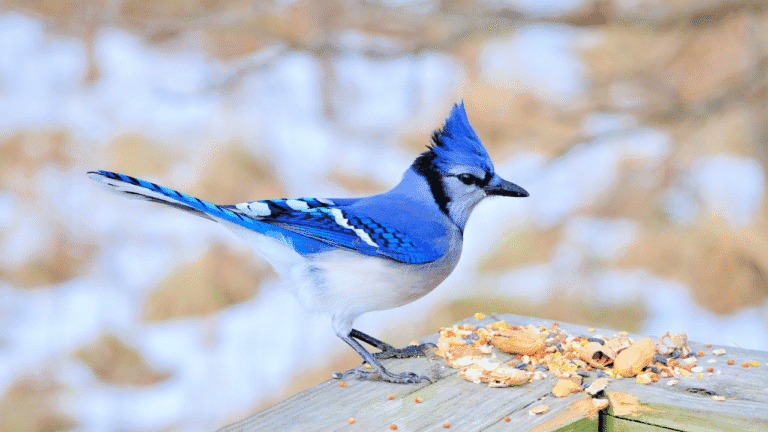
Blue Jay Spiritual Meaning Welcome — this guide explores the Blue Jay spiritual meaning and what a sighting...