The Spiritual Meaning: What Does the Right Hand Represent Spiritually

What Does the Right Hand Represent Spiritually? Across Scripture, the right hand stands as a vivid symbol of strength and favor. From Exodus to the Gospels, this image points to God’s power, blessing, and protection in times of trial.
Believers find hope and faith in a place of honor beside God. Psalm 110 and Mark 16 describe a ruler seated at that honored side, a sign of authority and nearness that shapes how we pray and trust.
Prophets and patriarchs also show the right hand as the channel of greater blessing. Isaiah and Genesis recall God’s faithful support, and Jesus’ ascension confirms a living Lord who reigns at heaven’s highest place.
For a deeper look at these patterns in Scripture, see this concise study on the topic at why the right hand matters.
Key Takeaways
- The right hand symbolizes divine power and blessing.
- Being at that place shows authority and closeness to God.
- Scripture offers consistent support from that side across times.
- Jesus’ ascension affirms an active, reigning Lord at heaven’s place.
- That image guides trust, worship, and practical faith in daily life.
Why the Right Hand Matters: An Inspirational Introduction to Sacred Symbolism
Across biblical study and encyclopedic summaries, the right hand stands as a clear emblem of honor, benediction, and loyal support. This image links everyday life—where most tasks favor a stronger hand—to spiritual truths about nearness to power and loving care.
Readers find hope and renewed faith when they see that being at the right side is pictured as a welcome place. That hand side language shows direction and destiny: where one stands matters for calling and service.
Scripture uses this motif to teach allegiance, fraternal love, and practical support. It reassures a man that divine strength is both near and active. In worship and leadership, that meaning shapes how believers live and serve.
- Symbol of nearness to authority and ongoing support.
- Bridges cultural practice and spiritual purpose.
- Invites a posture of trust when life feels uncertain.
For readers curious about related traditions and ritual notes, see a concise study in masonic miscellanies.
Biblical Foundations of the Right Hand: Power, Blessing, and Divine Support
Scripture repeatedly pairs the favored side with rulership, rescue, and blessing. Exodus 15:6 declares a mighty act: “Your right hand, O LORD, shatters the enemy,” a banner of divine power after deliverance.
Power and Authority
“Sit at My right hand until I make Your enemies a footstool.”
This pledge links throne authority to final victory. Psalm 110:1 and exodus 15:6 together show how authority flows from God’s throne to secure triumph and make enemies footstool.
Protection and Support
Isaiah assures believers of an upholding touch. Promises of a righteous right hand offer steady care and refuge. That image comforts when fear and doubt press close.
Blessing, Favor, and Judgment
Jacob’s crossed hands in Genesis 48:14 place a greater blessing on Ephraim, showing a hand father choice that surprises human expectation.
Jesus frames final sorting with a vivid scene: sheep on the right, goats on the left (Matthew 25:33). This right hand side marks welcome and destiny.
- Language lens: Greek dexios and Hebrew yamin clarify how Scripture names side, hand, and even geographic direction.
- Theme: When God acts, right hand god unites authority and mercy.
- Invitation: Anchor trust in these promises and in the hand god that upholds you.
For a deeper study, see a focused summary at this concise guide.
What Does the Right Hand Represent Spiritually
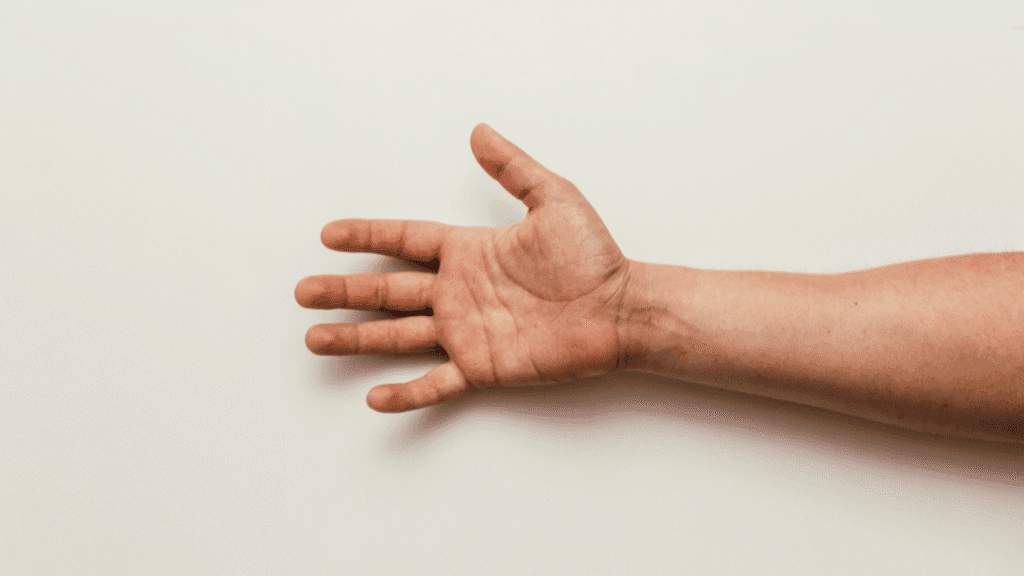
Psalm 110 invites believers to see honor and dominion as a shared promise. “Sit at My right hand until I make Your enemies a footstool” links throne-side privilege with final victory.
“Sit at My right hand until I make Your enemies a footstool.”
Honor here means entrusted authority, not mere prestige. The right hand father motif shows summit leadership in god father plans. That power is given for wise rule and loving care.
Historical practice helps explain this image. Oaths and fellowship often used a pledge with a hand to seal allegiance.
- Honor and dominion: Sitting at the side signals appointed rule and the promise to make enemies footstool.
- Allegiance and oath: Extending a hand god-style sealed covenant trust.
- Fellowship: Offering a hand father gesture marked unity and fraternal love.
True spiritual dominion serves and reconciles. Choose allegiance that matches heaven’s order, and let that right hand image shape faithful living.
Seated at the Right Hand: Jesus Christ’s Authority, Intercession, and Hope

When Jesus rose and was taken up, history turned—He was seated in heaven beside God. Mark 16:19 records that after speaking with the disciples, He was taken into heaven and sat down at God’s side, a moment that marks completed work and ongoing ministry.
Ascension and Session
Mark 16:19 shows session as proof: Jesus sat because redemption was accomplished and intercession continues. That seated right image comforts believers who face trials.
Lordship and Sovereignty
Ephesians 1:20-21 says God seated Christ far above all rule and power. This enthronement means unmatched authority, not earthly force, and secures mercy and justice for the church.
Final Sorting
The One who sits at the Father’s side also judges rightly. Matthew’s image of welcome on the right links present rule with final sorting, offering hope to those who trust the Son.
- Ascension: historic exaltation and ongoing intercession.
- Enthronement: seated right affirms sovereign rule.
- Comfort: see jesus as priest and king who sustains us.
For a concise study of related motifs, read this guide at right hand father study.
Living on the Right Side of Faith: Applying the Symbol to Everyday Life
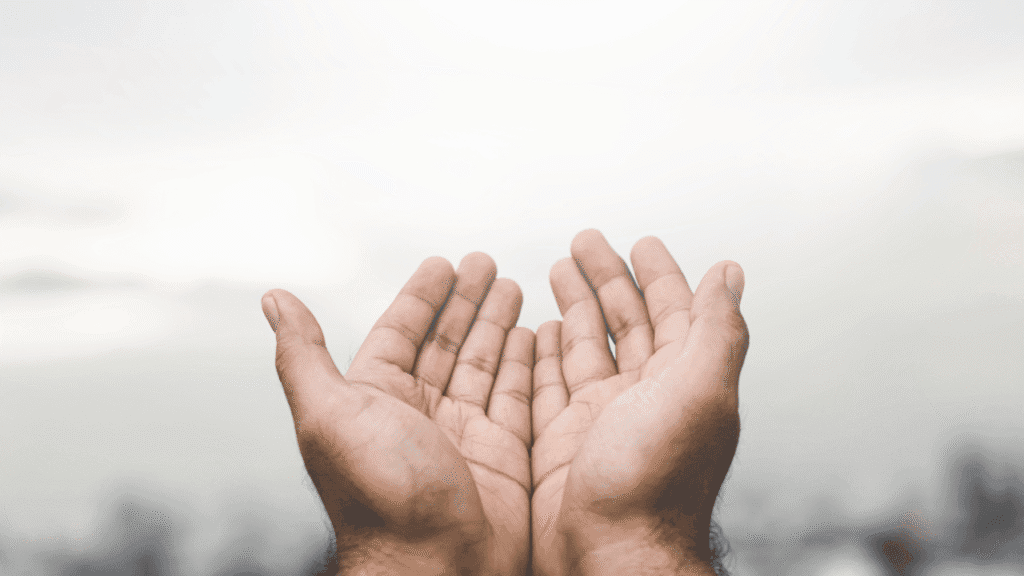
Faith meets daily life when ancient rites teach us to listen, act, and walk with purpose. Exodus 29:20 and Leviticus 8:23 show how blood and oil were placed on the tip of the right ear, thumb, and big toe.
Stand in Isaiah’s promise when anxiety presses in. Isaiah 41:10 assures us God upholds by a righteous right hand. Trust that steady care as you face hard days.
Strength for Today
When fear comes, picture being held. Invite God’s righteous right to secure your steps and steady your mind.
Consecrated to Serve
Rituals that put tip right on ear, thumb, and toe marked a priest’s calling. The priest shall have ears tuned to God, hands set for service, and feet ready to walk in holiness.
- Hear: right ear aaron signaled attentive listening to God.
- Do: hand head and thumb consecration meant obedient work.
- Walk: tip right toe showed faithful steps in daily life.
Adopt a simple rhythm: pray Scripture aloud, choose small acts of service, and set weekly commitments. When ear, hand, and foot live for God, fear gives way to purpose.
Conclusion
Scripture paints a steady picture of power and presence at heaven’s favored side.
That image—Jesus Christ enthroned and the seated right hand—ties past acts of deliverance to hope for current times.
Recall the sheep goats scene: a clear right hand left division urges us to choose the hand side of welcome by living faith. Trust in a right hand god who is mighty to save, wise to guide, and near to sustain.
Let this vision move you to worship and obedience. Tune ears to listen, use hands to serve, and set feet to follow. Sit right with courage: the same righteous right that lifted saints steadies you today.
FAQ
What is the spiritual symbolism of the right hand in Scripture?
In the Bible, the right hand often stands for power, authority, and blessing. Images like God’s “righteous right hand” and Christ seated at the right indicate divine strength, favor, and a place of honor that secures the faithful and defeats enemies.
Why is sitting at the right hand so significant for Jesus?
Jesus’ ascension and session at the Father’s right hand (Mark 16:19) signal completed work, intercession, and reigning authority. It expresses both lordship over creation and active support for those who trust Him.
How do passages like Exodus 15:6 and Psalm 110:1 use right-hand imagery?
Those texts link the right hand with victorious deliverance and exaltation. Exodus celebrates God’s saving power; Psalm 110 points to a promised ruler enthroned at God’s right, combining victory with appointed leadership.
In what way does the right hand relate to blessing and inheritance?
The episode with Jacob blessing Ephraim shows how the right hand can transfer greater blessing and favor. Placing someone at the right denotes special status, increased portion, and prophetic endorsement.
What about judgment imagery—right versus left in Matthew 25?
Matthew’s sheep-and-goats scene uses right and left as symbols of acceptance and rejection. The right side represents welcome and eternal reward; the left signals separation and consequence.
How do Hebrew and Greek terms affect meaning—yamin and dexios?
Hebrew yamin and Greek dexios carry layered meanings: right hand, right side, and the direction of favor or strength. Cultural and linguistic nuance helps explain rituals, oaths, and directional symbolism in biblical texts.
Can right-hand symbolism imply protection and daily support?
Yes. Promises like “I will uphold you with my righteous right hand” convey intimate protection and steady help in trials. Believers find comfort in seeing God’s hand as a present, empowering reality.
How does the right hand connect to priestly or consecration actions?
Rituals that touch the right ear, right thumb, or right foot (Exodus traditions) mark someone as set apart for service. These acts symbolize dedication of the whole person to holy work and obedience.
What does it mean to live “on the right side of faith” today?
Living on the right side means aligning actions, choices, and loyalties with God’s rule—seeking justice, extending mercy, and trusting Christ’s intercession. It invites practical courage and daily reliance on divine strength.
How does the right hand express both power over enemies and tender support?
The same imagery that makes enemies a footstool also depicts God’s supportive embrace. Divine power removes opposition while sustaining the weak—justice and mercy united in one sovereign hand.
Are there modern spiritual practices tied to right-hand symbolism?
Many Christians adopt gestures like laying on the right hand in blessing or prayer, or speak of “standing in the right hand” as a metaphor for trust. These practices echo biblical imagery and deepen worshipful expression.
Where can I read more passages that highlight the right hand theme?
Key scriptures include Exodus 15:6, Psalm 110, Isaiah 41:10, Genesis 48, Matthew 25, Mark 16:19, and Ephesians 1:20–21. Studying these together reveals a coherent picture of authority, blessing, judgment, and care.

What Does Yellow Mean Spiritually Yellow is a radiant color with rich spiritual meaning: it commonly symbolizes joy, light, and mental positivity. Spiritually, yellow is linked to the solar plexus chakra and the intellect, and is often associated with self-confidence, creativity, and wisdom. Like any symbol, yellow can have a shadow side too—it may represent anxiety, jealousy, or timidity in some contexts. The color appears across dreams, love, personality profiles, and feng shui practices, and when used intentionally in daily life (for example, wearing a yellow scarf, adding a sunny accent pillow, or spending time in sunlight) it can support feelings of energy, learning, and fresh starts. Read on to explore yellow’s cultural history, dream meanings, role in relationships and personality, and practical feng shui uses.
Key Takeaways:Yellow represents joy, light, and mental positivity.
It symbolizes spontaneity, youthfulness, creativity, and wisdom.
Yellow can hold different symbolic meanings in dreams, love, personality, and feng shui.
Bringing more yellow into your life spiritually—through color, light, or decor—can foster action, learning, and new beginnings.
Yellow is associated with the solar plexus chakra, influencing self-worth, authenticity, and confident expression.Yellow Symbolism in History and Culture
Yellow has played an important role across many cultures, carrying layered symbolic meanings that range from material wealth to spiritual light. In ancient religious and court contexts the color often signified opulence, abundance, and prestige—worn by elites or used in sacred art to signal prosperity and divine favor.
Beyond material associations, yellow has long been linked with joy, clarity, and intellectual energy. Like gold or honey, yellow has suggested abundance and pleasure, while also connoting enlightenment, knowledge, and spiritual illumination in a variety of traditions. These meanings show how a single color can bridge earthly prosperity and inner wisdom.
The Symbolism of Yellow in Different Civilizations
Across civilizations, yellow’s meanings adapted to local beliefs and institutions. Below are representative associations that illustrate its cultural breadth:CivilizationSymbolic Meaning of YellowAncient Egypt
Yellow represented the sun, nourishment, and immortality. It was associated with the god Ra, symbolizing divine power and rebirth.Ancient China
Yellow was considered a prestigious color tied to imperial authority and power; it signified royalty, centrality, and prosperity.Ancient Greece
Yellow was connected with gods such as Apollo, associated with light, healing, creativity, and intellectual pursuits.Ancient Rome
Yellow evoked the sun and vitality — a color linked to life force, triumph, and occasionally to divine figures like Apollo.These historical examples show how yellow can mean both worldly abundance and spiritual illumination depending on context. Today the color still appears in national symbols, religious art, and ceremonial dress—a living thread from ancient meanings of prosperity and wisdom to modern expressions of joy and cultural identity.
What Does Yellow Mean SpirituallyThe symbolism of yellow in dreams is personal but often points to positive mental states or important signals from your subconscious. Bright, vivid yellow hues typically suggest joy, clarity, and creative energy, while muted or muddy yellows can carry caution or unease. To interpret yellow in a dream, note the shade, location, and the feelings you experienced—these details help reveal the spiritual meaning behind the color.
Positivity and Contentment
Vibrant yellow often reflects joy, optimism, and a sense of satisfaction in waking life. If you dream of warm, luminous yellow light or sunlit scenes, it can indicate a period of emotional uplift, renewed hope, or growing happiness.
Intellect and Creativity
Yellow is closely tied to the mind and intellect, so dreaming of yellow can signal new ideas, problem-solving breakthroughs, or creative inspiration. A sudden flash of yellow in a dream might mirror an “aha” moment or heightened mental clarity.
Alertness and Awareness
Because yellow attracts attention, it can represent heightened awareness or a prompt to pay attention. Dreams featuring signs, clothing, or objects in yellow may be asking you to notice details or opportunities you’ve overlooked.
Caution or Warning
Faded, sickly, or muddy yellow shades can suggest caution, anxiety, or feelings of insecurity. In these cases, yellow may be urging you to slow down, examine risks, or address unresolved worries.
Quick journal prompts to interpret your yellow dream: What shade of yellow did you see? Where did it appear? How did it make you feel? For example, dreaming of a bright yellow sunflower in an open field likely points to joy and growth, whereas a dim yellow light in a closed room may signal caution or unease. Note the context, trust your intuition, and use these observations to uncover the spiritual meaning of yellow in your dreams.
Yellow Symbolism in Love
In matters of the heart, yellow often signals excitement, hope, and a sunny outlook on relationships. The color evokes the freshness of new romance—the initial spark, curiosity, and the optimistic energy that comes with seeing the world through new eyes. Because yellow is associated with light and warmth, it can bring an uplifting, joyful tone to love and connection.
Yellow can also represent empowerment and activity in relationships: it suggests an openness to growth, playful communication, and the courage to express feelings. Someone drawn to yellow or perceived to have a yellow aura often projects charisma, confidence, and approachability—traits that naturally attract others.
That said, cultural context matters. For example, yellow roses commonly symbolize friendship and joy in many Western traditions, which makes them a gentle, optimistic choice early in a relationship. But color meanings vary worldwide, so be mindful of local interpretations when gifting or decorating.
How to Use Yellow in Relationships
Try small experiments to see how yellow affects your romantic energy: wear a yellow accessory on a date to boost confidence, place a yellow candle on your dining table to invite warmth, or send yellow flowers to express optimistic intentions. These simple acts can subtly shift mood and invite more light into a partnership.
Yellow in Love: Key TakeawaysYellow symbolizes excitement, hope, and a positive outlook on relationships.
It represents the joy of seeing the world through new eyes and fresh possibilities.
Yellow often signals new, active, and empowering phases in love.
A yellow aura may draw others because of charisma, confidence, and warmth.
Using yellow intentionally—gifts, clothing, decor—can help nurture optimism and connection.Yellow Symbolism in Personality
If you resonate with yellow, it often points to a mind that craves stimulation and variety. In symbolic personality frameworks (not clinical diagnoses), dominant yellow types tend to be logical, curious, and intellectually driven—people who enjoy debate, puzzles, and learning new things.
Those with a yellow aura typically project joy, clear communication, and confidence. They value humor and bright conversation, and they’re often drawn to partners and friends who can match their wit and curiosity. Yellow personalities may excel in fields that reward analytical thought and creativity, such as research, teaching, writing, or scientific work.
The Qualities of a Yellow PersonalityLogical and analytical
Curious and knowledge-seeking
Intellectual and idea-driven
Open-minded and communicative
Positive and charismaticPotential pitfalls include impatience, worry, or overthinking. Simple grounding practices—short mindfulness breaks, time in nature, or steadying breathwork—can restore balance. Quick self-check: do you prefer mental challenges, love sharing ideas, and feel energized by bright, creative projects? If yes to most, you likely identify with many yellow traits.
Yellow Symbolism in Feng Shui
In feng shui, yellow is valued as a bright, stabilizing color that can invite positive energy, prosperity, and mental clarity into the home when used with intention. While results are subjective and depend on belief and context, many practitioners use yellow to activate areas of the space associated with knowledge, relationships, and abundance.
Different Bagua maps and feng shui schools label corners differently; the guidance below follows a common Western Bagua interpretation. Placing yellow accents in the northeast (knowledge & self-cultivation area) supports intellectual growth and inner wisdom. Adding yellow to the southwest (relationship area) can warm the energy of partnerships and encourage connection.
Practical, low-risk ways to introduce yellow into your home: paint a small accent wall, add cushions or a throw in a soft yellow, or use warm yellow lighting (lamps or candles). Use bright or neon yellow sparingly—subtle, warm yellows (mustard, honey) usually promote comfort and balance better than intense shades.
The significance of yellow in feng shui
To harness the spiritual meaning of yellow in your home, set a clear intention for the corner or room before changing decor. Decide whether you want to invite knowledge, create more warmth in relationships, or cultivate prosperity, then choose yellow elements that support that goal.
Try a 7-day yellow experiment: pick one corner (northeast for study/learning or southwest for relationships), add a small yellow item, and journal any shifts in mood, clarity, or connection. Small adjustments and mindful observation help you evaluate whether the color brings the balance and growth you seek.Yellow Symbolism in Feng ShuiSpiritual MeaningSignificanceAttracts good fortune and prosperity
Represents brightness, warmth, and joy
Enhances positive energy and abundancePlacing yellow in the northeast promotes knowledge and self-cultivation
Stimulates intellectual growth and wisdom
Establishes a deeper connection with inner selfIntroducing yellow to the southwest enhances passion and love
Fosters warmth, joy, and romantic connection
Nurtures harmonious relationshipsConclusion
What Does Yellow Mean Spiritually — Yellow carries a warm, uplifting spiritual meaning. It commonly symbolizes joy, optimism, and mental positivity while also representing spontaneity, youthfulness, and creativity. Linked to the solar plexus chakra, yellow often relates to self-confidence, clear communication, and personal power; in symbolic systems it can help people feel more authentic and motivated to act.
Embracing the spiritual meaning of yellow is about inviting more light, clarity, and hopeful energy into daily life. Whether you notice yellow in dreams, in relationships, in personality frameworks, or in the corners of your home, the color tends to uplift, encourage growth, and support transformation. At the same time, be mindful that yellow’s shadow aspects (anxiety, jealousy, timidity) are part of its full meanings—acknowledging both sides creates a balanced approach to its use.
Try one small practice: add a yellow mug to your morning routine, wear a yellow accessory when you want extra confidence, or place a small yellow object in the northeast of your home to invite knowledge and clarity. Observe how these simple acts affect your mood, creativity, and connection with others—then adjust intentionally.FAQWhat Does Yellow Mean Spiritually?
Yellow holds symbolic spiritual meaning across many traditions: joy, light, mental clarity, and optimism. It is commonly associated with the solar plexus chakra, intellect, and self-worth. While yellow often supports confidence and creative energy, it can also signal worry or caution in certain contexts.
What is the symbolism of yellow in history and culture?
Historically, yellow has signified wealth, prestige, and divine light in various cultures—used in royal garments, religious art, and ceremonial objects. It has also symbolized knowledge, enlightenment, and abundance, though specific meanings vary by culture and period.
What is the symbolism of yellow in dreams?
In dreams, bright yellow usually points to positivity, insight, or creative ideas; muted yellow can indicate caution, anxiety, or unresolved concerns. Consider the shade, context, and feelings in the dream to interpret its spiritual message.
What is the symbolism of yellow in love?
Yellow in love often represents hope, excitement, and fresh beginnings. It suggests warmth, playful connection, and an optimistic outlook—though cultural differences (for example, floral meanings) can change how yellow is perceived.
What is the symbolism of yellow in personality?
If yellow resonates with you, it commonly indicates a curious, intellect-oriented temperament—someone energized by ideas, communication, and mental growth. These symbolic personality profiles are frameworks for insight, not clinical diagnoses.
What is the symbolism of yellow in feng shui?
In feng shui practice, yellow can invite prosperity, warmth, and positive energy. Strategic placement—such as adding yellow accents to knowledge or relationship corners—aims to promote growth, balance, and connection, though results are subjective and depend on intention.
What is the spiritual significance of the color yellow?
Overall, yellow’s spiritual significance centers on joy, hope, and mental clarity. It supports creative expression, personal growth, and energetic transformation when used with mindful intent. Incorporating yellow thoughtfully can brighten your life and nurture a sense of purpose and connection....

Rain is more than water falling from the sky — it often functions as a sign of renewal, a bridge between...

Full Moon Insomnia Spiritual Meaning Every full moon, many people notice they can’t sleep — a pattern...

Spiritual Meaning of Green Colors carry layered meanings, and green especially resonates with themes...
Blue Jay Spiritual Meaning Welcome — this guide explores the Blue Jay spiritual meaning and what a sighting...