Skip to content
Spiritual Meaning of Dog Hit by Car
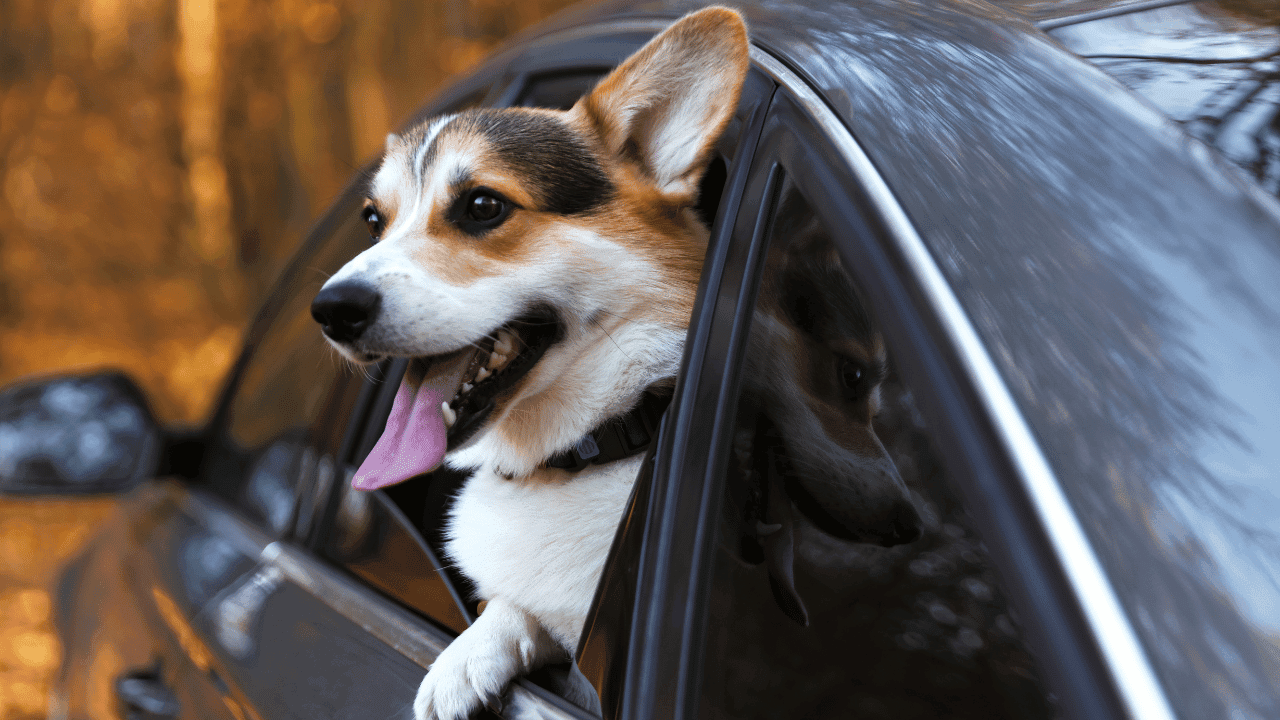
In many spiritual beliefs worldwide, dogs have a special role. When a Dog Hit by Car Spiritual Meaning arises, it’s more than a tragic loss — it can be a poignant message about the fragility of life and the choices we make. Such an event often forces us to pause, reexamine our priorities, and consider how we treat other beings on our shared path.
Hitting a dog with a car can trigger intense guilt and sorrow, leaving people burdened with self-blame and distress. These feelings are a natural response to the accident, but examining the spiritual meaning behind the incident can offer perspective and a way toward healing. Understanding the deeper meaning can help transform painful emotions into opportunities for growth and compassionate action.
What you will learn
- How a dog hit by a car can be interpreted as a spiritual wake-up call and a prompt for self-reflection.
- Practical steps to address immediate guilt and emotional distress after such an incident.
- Ways to honor the bond you shared with the dog and begin a process of healing and personal growth.
The Emotional Impact: Dealing with Guilt and Distress
Encountering a dog on the road — and especially the moment after a dog is hit by a car — can leave a lasting emotional imprint. Common reactions include heartbreak, protectiveness, guilt, and heightened anxiety. Self-blame after such an accident is normal, but left unaddressed it can worsen emotional health and, for some people, contribute to clinical anxiety or depressive symptoms. Recognizing the strength of the human-animal bond is the first step toward compassionate self-care and practical recovery.
Understanding Guilt and Self-Blame
Guilt after an accident involving an animal is a common, human response. Rather than holding that guilt in isolation, it helps to name the feeling and gently examine what you’re telling yourself (“I should have done something different”) versus the facts of the incident. Dreams or intrusive images of the event (for example, dreaming about a dog getting hit) are a normal way the mind processes trauma. If such thoughts become overwhelming or persistent, reach out to a mental health professional — trusted resources include the American Psychological Association (APA) and the National Alliance on Mental Illness (NAMI).
Managing Emotional Well-Being
Practical strategies can reduce immediate distress and support long-term healing. Immediate steps: pause, breathe, and ground yourself (5–4–3–2–1 sensory exercise); contact local animal services or a vet if the dog needs help; and, if you’re shaken, find a safe place to sit and call a friend or family member. Short-term care: practice simple grounding and self-soothing (deep breaths, gentle movement, hydration), and limit exposure to graphic images or stories that retraumatize you.
Longer-term care: consider counseling (trauma-informed therapists or grief counselors), journaling about the experience, and using ritual or memorial actions to honor the dog and move forward. If you find recurring dreams helpful for insight, you can use trusted guides such as the linked dream-analysis resource (interpreting dream symbols) — but treat dream interpretation as one tool among many, not a substitute for professional help.
Coping with Grief and Loss
Grieving takes time and kindness toward yourself. Allow space for the feelings that arise: sadness, anger, guilt, or numbness. Practical exercises that many people find useful include writing a letter to the animal to express feelings, creating a small memorial, or joining a local or online support group for pet-loss grief. Community organizations and animal-welfare groups can also offer emotional support and practical guidance in the aftermath of a dog-car incident.
Example (anonymized): one person who accidentally hit a neighborhood dog described intense guilt for weeks. With the help of a counselor, journaling, and a small memorial ceremony, they were able to accept responsibility without being consumed by self-blame, and over months they experienced meaningful healing and a renewed commitment to community safety.
If you feel overwhelmed, unsafe, or unable to function after an accident, contact a mental health professional or crisis resource immediately — prompt support can make a major difference in recovery.
The Symbolism of Dogs in Spiritual Traditions
Dogs have long been revered across many spiritual traditions for their loyalty, protection, and companionship, and their symbolic role often reaches beyond everyday pet-owner relationships. When a dog is hit by a car, communities and individuals sometimes interpret the event through these symbolic lenses: as a wake-up call to pay attention to what matters, as a disruption that invites reflection, or as a prompt for emotional healing. In spiritual frameworks where animals act as messengers, a dog-car incident can be read as a message about love, care, and the fragility of life — and an invitation to deepen our spiritual connection with the world around us. These interpretations can help turn shock and guilt into meaning and healing, guiding people toward compassionate action and renewed priorities.
Across the world, dogs appear in myths, rituals, and daily life as emblems of devotion and guardianship. That widespread presence explains why a dog-related incident often resonates so strongly: it touches shared cultural ideas about protection, loyalty, and guidance.
Dogs as Symbols of Loyalty and Protection
In many cultures dogs symbolize loyalty and protective care. In ancient Egypt, for example, the jackal-headed deity Anubis was associated with the afterlife and the protection of souls; while not literally a domestic dog, Anubis’s canine feature links the idea of animal guardianship to spiritual protection. Similarly, in other traditions dogs are seen as guardians who watch over thresholds between worlds or stages of life.
Cultural Significance of Dogs
The cultural significance of dogs varies by community. In some Indigenous traditions, certain tribes have long regarded dogs as companions in daily life and guides in ceremony; in parts of Japan, dogs are associated with luck or purity in specific local customs. Because beliefs differ widely across groups, it’s important to reference particular traditions rather than generalize. When an accident involving a dog occurs, cultural context shapes how people interpret the event — whether as an omen, a lesson in compassion, or a call to practical action.
Reflecting on cultural views of animals in accidents helps illuminate deeper lessons behind a dog hit car incident: it often prompts greater empathy, practical care for animals, and a renewed sense of responsibility toward the vulnerable beings we share our lives with.
dog hit by car spiritual meaning
Many people report gaining deep insights after a dog is hit by a car — insights that push them to reflect on life’s priorities. This upsetting incident can carry a clear spiritual message about vulnerability, compassion, and the value of being present. Approaching the event with both emotional care and spiritual reflection can help transform shock and guilt into steps toward healing and renewed purpose.
Wake-Up Call and Reevaluation
For many, a dog hit car incident functions as a wake-up call: a sudden, painful reminder that life is unpredictable and precious. That shock often prompts people to reassess how they spend their time and whom they love, and it can lead to concrete changes — greater care on the road, more time with family and pets, or a renewed focus on what truly matters.
Resilience and Recovery
Although such an event brings sorrow, it can also reveal inner strength. Processing the trauma of hitting a dog may build emotional resilience, especially when combined with supportive practices like counseling, community support, and intentional healing rituals. Over time, many people find they recover emotionally and gain a clearer sense of their path forward.
Vulnerability and Cherishing Life
A dog being hit by a car underscores our shared vulnerability and encourages gratitude for the present moment. The incident may teach increased kindness and patience toward others and animals, inviting us to love more deliberately and to protect the most vulnerable among us.
What is the Spiritual Meaning of a Dog Being Hit by a Car?
The spiritual meaning of a dog being hit by a car is often interpreted as a call to pause and reflect. Across spiritual traditions, such events can symbolize a disruption that invites personal adjustment: a chance to examine one’s priorities, to practice self-forgiveness, and to pursue spiritual growth. Themes commonly associated with this meaning include loyalty and unconditional love, the need for emotional healing after guilt, and the opportunity for personal growth as we reconcile with loss.
How Do Different Spiritual Traditions Interpret This Event?
Interpretations vary by tradition. In many spiritual traditions, animals are seen as sacred messengers; a sudden animal accident may be viewed as signaling a disruption in spiritual balance or as a wake-up call to pay attention to neglected aspects of life. Some traditions emphasize spiritual growth or the need to realign with one’s path; others encourage practical compassion and ritual acts to honor the animal’s spirit. Where possible, consult tradition-specific sources rather than applying a single explanation universally.
Is There a Spiritual Connection Between Animals and Accidents?
Some communities and spiritual teachers view animals as intermediaries between humans and the divine — so an accident can be interpreted as an interruption in that connection or as a prompt to examine relationships and actions. Whether one reads the event as symbolic or as chance, the core invitation is similar: to reflect, learn, and act with greater care.
Can This Event Symbolize a Wake-Up Call for Spiritual Growth?
Yes — for many people, hitting a dog with a car becomes a catalyst for spiritual growth. The painful experience can trigger honest self-inquiry about priorities, prompting steps toward greater compassion, responsibility, and alignment with personal values. When combined with supportive practices (counseling, community support, and spiritual disciplines), the event can lead to meaningful, long-term change.
Animal Spirits and Their Significance in Different Belief Systems
Across many spiritual traditions, animals carry symbolic weight as guides, guardians, and teachers—and dogs frequently stand out for their special role. Beyond companionship, dogs are often understood as spirit allies that offer protection, loyalty, and practical guidance during life transitions. When a dog hit car incident occurs, some people interpret it through the lens of animal spirits: as a message, a warning, or an invitation to reassess one’s path.
In some Native traditions, for instance, particular communities have long regarded dogs as protectors and companions in both daily life and ceremonial contexts. Because beliefs vary widely among Indigenous peoples, it’s important to refer to specific tribal teachings rather than generalize. Similarly, in other cultures dogs may be associated with luck, purity, or threshold-guarding roles.
Animal encounters—especially traumatic ones like accidents—can trigger questions about meaning and direction. For those who work with spirit animals or guides, a dog-related incident might be read as a prompt to pay attention to relationships, personal safety, or spiritual balance.
Common categories of spirit guides include:
- Shadow Spirit Guides: Animals (horses, snakes, wolves) that surface during difficult transitions to teach resilience and shadow-work lessons.
- Messenger Guides: Birds like owls, ravens, and hawks that are seen as bringing swift insights or warnings.
- Journey Animal Guides: Creatures such as dogs, deer, and turtles that show up at decision points to support navigation of life’s paths.
- Life Animal Guides: Powerful companions (bears, lions, wolves) that reflect long-term qualities and life themes.
Each guide type offers a different kind of meaning: some ask us to act, others to reflect, and some to accept protection. For people interpreting a dog hit car event spiritually, these frameworks can provide language and practices to process grief, find guidance, and support spiritual growth. A gentle honoring ritual—lighting a candle, offering a short prayer or moment of silence, or planting a small memorial—can be a respectful, culturally sensitive way to acknowledge the animal’s role in your life and begin healing.
Exploring the Impact of Such Incidents on Spiritual Growth
The experience of a dog getting hit by a car can carry profound spiritual meaning and often acts as a catalyst for reflection and growth. In many spiritual frameworks, dogs are seen as messengers of unconditional love and loyalty; when a beloved dog is involved in a road incident, it may prompt an urgent reassessment of priorities, relationships, and how we spend our time. While feelings of guilt commonly arise, exploring the spiritual meaning behind a dog hit car event can open avenues for healing, self-forgiveness, and renewed commitment to what truly matters in life.
For some people, a dog being hit by a car alters the course of their spiritual journey — nudging them to slow down, pay attention to their path, and make changes that support personal and spiritual growth.
Reflecting on Personal Priorities
An incident like this often forces a pause: we confront our vulnerability and are reminded to value the present moment. Use this pause intentionally — ask concrete questions such as “What matters most to me?” or “How can I show up for the people and animals I love?” — and consider journaling your answers. These reflective practices help convert shock into purposeful change.
Lessons in Compassion and Responsibility from the Incident

Hitting a dog can produce intense guilt and grief, prompting people to reexamine the meaning of accidentally harming animals in road accidents. That pain can become a powerful teacher: many who survive the emotional aftermath report greater empathy, more careful driving, and increased attention to community animal welfare.
Across cultures, dogs are often regarded as loyal protectors and spiritual companions. For those who hold these beliefs, a dog hit car event can strengthen a sense of responsibility toward vulnerable beings and encourage practical care — from supporting local shelters to advocating for safer streets.
Community support is essential after a traumatic animal accident. Reach out to neighbors, local animal-control services, or rescue organizations for guidance and emotional backing. Practical steps might include contacting a vet or animal welfare organization if the animal is injured, reporting the incident to appropriate local authorities, and sharing resources with your community to prevent future accidents.
Three ways to put lessons into action:
- Practice small acts of care: check in on neighbors’ pets, donate to a shelter, or volunteer.
- Promote local safety: support traffic-calming measures or community education about pets near roads.
- Honor the animal: hold a brief memorial, plant a tree, or create a small ritual that supports emotional closure and healing.
Exploring Divine Intervention in Accidents
When a beloved dog gets hit by a car, it can be a profoundly emotional experience that leads many people to search for deeper meaning. In a variety of spiritual traditions, dogs represent unconditional love and loyalty, so a dog hit car incident may feel like a wake-up call that prompts self-reflection and personal growth. Some interpret such events as messages from the universe — not to assign blame, but to invite healing, self-forgiveness, and clearer priorities in life. Separating spiritual interpretation from practical response helps us both find comfort and take responsible action.
The idea of divine intervention in accidents is not simply about chance; for those who believe, it can suggest a higher lesson or an opportunity for spiritual growth.
Finding Meaning in Tragic Events
People often try to make sense of tragedy by looking for lessons. Those who are involved in a dog-car accident may feel deep sadness and guilt, but over time some find purpose in the experience — committing to safer habits, advocating for animal welfare, or deepening their spiritual practice. This reframing does not erase grief, but it can ease guilt and help someone move forward.
Divine Messages and Interpretations
Interpreting an accident spiritually usually involves seeing the event as symbolic rather than literal. In some beliefs dogs act as protectors or guides and may be viewed as bridging the human and divine. Reading an accident as a message can bring comfort and a sense of guidance, but it’s important to balance interpretive meaning with practical steps and emotional care.
Thinking about divine intervention in accidents can open doors to spiritual growth, but it should not replace counseling or concrete actions needed after an incident.
The Spiritual Connection Between Humans and Animals

Recognizing the spiritual bond between humans and animals helps explain why accidents involving dogs can shake us so deeply. This connection goes beyond the physical — it reflects an interdependence that many spiritual paths emphasize. Remembering that bond can support healing and respectful action after an accident.
Across cultures, animals have long served as guides, protectors, and symbols of deeper truths. That shared symbolism makes a dog being hit by a car especially poignant: it touches both personal loss and cultural meanings of loyalty and care.
Feeling guilty and sorrowful after a car accident with a dog is normal. You may replay the moment and wish you could have acted differently; acknowledge those feelings, but also allow yourself time and practical steps to heal.
Canine companions often retain spiritual significance even after they pass. Reflecting on your relationship with an animal can bring insight and comfort during grieving and help you integrate the experience into your spiritual journey.
Learn more about the spiritual connection between humans and animals
Coping Mechanisms and Healing After Traumatic Experiences

Seeing a dog get hit by a car can leave emotional wounds that take time to heal. Combining practical actions with spiritual and psychological support gives the best chance for recovery.
Seeking Support and Counseling
Guilt can feel overwhelming after an accident. Speaking with a trauma-informed therapist or grief counselor can provide tools to process intense emotions. If you’re in immediate crisis, contact local emergency services or mental health hotlines — prompt professional care matters.
Engaging in Mindfulness and Meditation
Mindfulness practices — breathing exercises, grounding techniques, and short meditations — can calm the nervous system after a shock. Regular practice supports emotional regulation and helps you make clearer decisions as you heal.
Healing Practices and Rituals
Some people find ritual helpful: a quiet memorial, planting a tree, lighting a candle, or creating an offering can honor the animal’s life and mark a step toward closure. If you adopt rituals from cultural traditions, do so with respect and, if appropriate, guidance from tradition-bearers.
Combining counseling, mindfulness, and respectful rituals can guide you through grief and guilt toward healing. If you feel stuck or overwhelmed, prioritize professional help and community support — both spiritual and medical resources can help you move forward.
How Does the Symbolism of Dogs Play a Role in This Event?
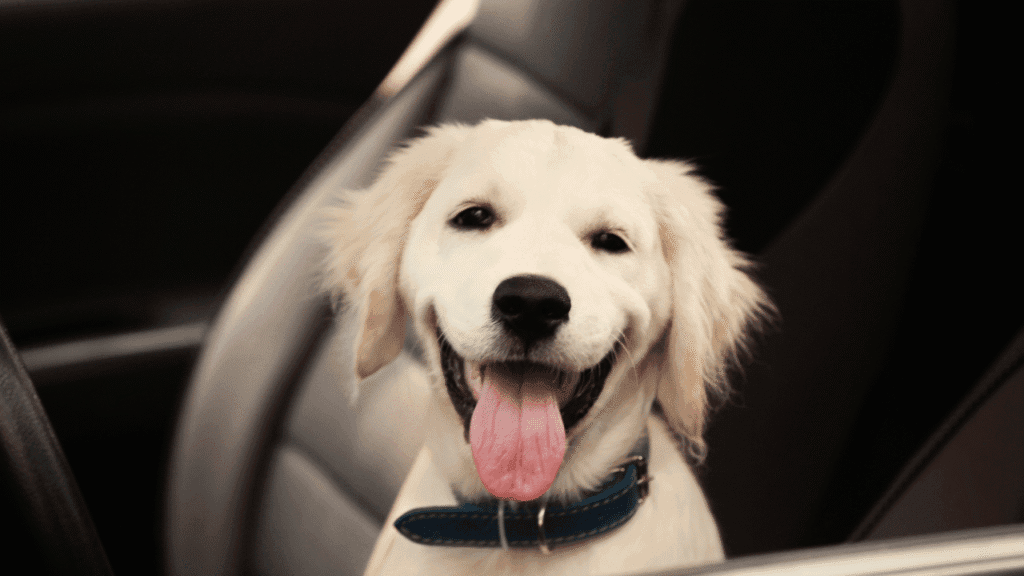
A dog being hit by a car often carries powerful symbolism because dogs are widely seen as emblems of loyalty, protection, and unconditional love. That symbolic weight means a dog hit car incident can feel like a wake-up call — a sudden event prompting honest self-reflection about what we value and how we live. Interpreting the meaning of the event can help transform shock and guilt into steps toward emotional healing, spiritual growth, and clearer priorities in life.
What Do Dogs Typically Symbolize in Spirituality?
Across many spiritual traditions, dogs represent trust, devotion, and guidance. In ritual and folklore they often appear as companions that watch over thresholds, protect travelers, or mirror human qualities such as loyalty and empathy. When an accident involves a dog, those layered meanings can amplify the emotional impact and invite reflection on relationships, responsibility, and the ways we give and receive care.
How Might a Dog Being Hit By a Car Affect the Emotional Landscape?
Witnessing or being involved in a dog hit by car incident can stir intense emotions — guilt, sadness, helplessness — and temporarily disrupt emotional balance. While such feelings are understandable, the event can also open a path toward resilience: by acknowledging pain, seeking support, and exploring the symbolic lessons the experience brings, many people find a way to heal and rebuild their sense of purpose and connection.
How Can Symbolism Aid in Emotional Healing?
Symbolism gives us language for meaning-making. Viewing a dog-car accident as a symbol of transition or a call to pay attention lets us frame grief and guilt as part of a learning process. Practices such as journaling about what the incident brought up, holding a small memorial, or using prayer or meditation can help translate symbolic insight into concrete healing steps that support spiritual and personal growth.
What Lessons Can Be Learned from a Dog Getting Hit by a Car?

Such a tragic event often becomes a catalyst for reflection and change. Common lessons reported by those who experience a dog hit car incident include renewed commitment to safety and care, deeper appreciation for the time we have with loved ones, and an increased motivation to practice compassion in daily life. For many, the incident is a prompt to forgive themselves, seek healing, and align actions with newly clarified values.
How Can Self-Reflection Help in Dealing with the Loss?
Self-reflection is a constructive step after trauma. Ask focused questions (What did this reveal about my priorities? How can I honor the life lost?) and record your answers. Reflection paired with practical action — volunteering, donating to a shelter, or advocating for safer streets — helps channel emotional pain into meaningful change.
What Are the Steps for Emotional Healing Following This Event?
Steps that support healing include: acknowledge and name your feelings; reach out for social or professional support; use spiritual practices you find grounding (meditation, prayer, ritual); create a memorial action if that helps; and adopt preventative measures to reduce future risk. These steps combine emotional processing with practical care and can guide you toward recovery.
Can This Experience Promote Spiritual Growth?
Yes. Although painful, the experience of a dog being hit by a car can catalyze personal and spiritual growth. It challenges assumptions, invites deeper compassion, and often leads people to reassess life choices and relationships. When grief is met with intentional healing practices and community support, the incident can become a transformative moment on one’s spiritual path.
How to Cope with the Emotional Impact of a Dog Being Hit by a Car?

Dealing with the aftermath of a dog hit by car incident requires both immediate practical steps and longer-term emotional care. In the short term: ensure safety (move to a safe location), check whether the animal needs urgent help and contact local animal services or a vet, and if you are the driver, report the incident according to local law. For emotional support: connect with friends, consider grief counseling, and use grounding techniques to manage acute distress.
What Are the Immediate Steps to Take for Emotional Support?
Immediate emotional support can include: calling a trusted person to stay with you, taking conscious grounding breaths, and limiting exposure to sensationalized media. If you feel overwhelmed or at risk of self-harm, contact emergency services or a mental health hotline right away.
How Can Talking About the Event Help with Healing?
Talking about the event — with a trusted friend, a support group, or a therapist — reduces isolation and helps process emotions. Sharing your story can reveal new perspectives, normalize grief responses, and create a support network that encourages healing and practical next steps.
What Role Does Spirituality Play in Coping with Grief?
Spirituality can offer meaning, ritual, and community support during grief. Practices such as meditation, prayer, or quiet reflection provide a container for sorrow and an avenue for seeking peace. Whether you interpret the event as chance or as a message from the universe, spiritual practices often help people find solace and resilience while they heal.
Conclusion
When a Dog Hit by Car Spiritual Meaning is considered, the incident often carries layered symbolic and emotional significance. It can be a painful wake-up call that prompts reflection, fosters growth, and ultimately leads to healing when met with compassionate action, community support, and intentional practices. If you’re struggling after an incident, prioritize immediate safety and professional support, and consider ritual or community-based practices to honor the animal and move forward.
FAQ
Can This Event Bring About a Spiritual Awakening?
How Do Spiritual Practices Help in Finding Peace?
Is There a Deeper Message Behind a Dog Being Hit by a Car?

What Does Yellow Mean Spiritually Yellow is a radiant color with rich spiritual meaning: it commonly symbolizes joy, light, and mental positivity. Spiritually, yellow is linked to the solar plexus chakra and the intellect, and is often associated with self-confidence, creativity, and wisdom. Like any symbol, yellow can have a shadow side too—it may represent anxiety, jealousy, or timidity in some contexts. The color appears across dreams, love, personality profiles, and feng shui practices, and when used intentionally in daily life (for example, wearing a yellow scarf, adding a sunny accent pillow, or spending time in sunlight) it can support feelings of energy, learning, and fresh starts. Read on to explore yellow’s cultural history, dream meanings, role in relationships and personality, and practical feng shui uses.
Key Takeaways:Yellow represents joy, light, and mental positivity.
It symbolizes spontaneity, youthfulness, creativity, and wisdom.
Yellow can hold different symbolic meanings in dreams, love, personality, and feng shui.
Bringing more yellow into your life spiritually—through color, light, or decor—can foster action, learning, and new beginnings.
Yellow is associated with the solar plexus chakra, influencing self-worth, authenticity, and confident expression.Yellow Symbolism in History and Culture
Yellow has played an important role across many cultures, carrying layered symbolic meanings that range from material wealth to spiritual light. In ancient religious and court contexts the color often signified opulence, abundance, and prestige—worn by elites or used in sacred art to signal prosperity and divine favor.
Beyond material associations, yellow has long been linked with joy, clarity, and intellectual energy. Like gold or honey, yellow has suggested abundance and pleasure, while also connoting enlightenment, knowledge, and spiritual illumination in a variety of traditions. These meanings show how a single color can bridge earthly prosperity and inner wisdom.
The Symbolism of Yellow in Different Civilizations
Across civilizations, yellow’s meanings adapted to local beliefs and institutions. Below are representative associations that illustrate its cultural breadth:CivilizationSymbolic Meaning of YellowAncient Egypt
Yellow represented the sun, nourishment, and immortality. It was associated with the god Ra, symbolizing divine power and rebirth.Ancient China
Yellow was considered a prestigious color tied to imperial authority and power; it signified royalty, centrality, and prosperity.Ancient Greece
Yellow was connected with gods such as Apollo, associated with light, healing, creativity, and intellectual pursuits.Ancient Rome
Yellow evoked the sun and vitality — a color linked to life force, triumph, and occasionally to divine figures like Apollo.These historical examples show how yellow can mean both worldly abundance and spiritual illumination depending on context. Today the color still appears in national symbols, religious art, and ceremonial dress—a living thread from ancient meanings of prosperity and wisdom to modern expressions of joy and cultural identity.
What Does Yellow Mean SpirituallyThe symbolism of yellow in dreams is personal but often points to positive mental states or important signals from your subconscious. Bright, vivid yellow hues typically suggest joy, clarity, and creative energy, while muted or muddy yellows can carry caution or unease. To interpret yellow in a dream, note the shade, location, and the feelings you experienced—these details help reveal the spiritual meaning behind the color.
Positivity and Contentment
Vibrant yellow often reflects joy, optimism, and a sense of satisfaction in waking life. If you dream of warm, luminous yellow light or sunlit scenes, it can indicate a period of emotional uplift, renewed hope, or growing happiness.
Intellect and Creativity
Yellow is closely tied to the mind and intellect, so dreaming of yellow can signal new ideas, problem-solving breakthroughs, or creative inspiration. A sudden flash of yellow in a dream might mirror an “aha” moment or heightened mental clarity.
Alertness and Awareness
Because yellow attracts attention, it can represent heightened awareness or a prompt to pay attention. Dreams featuring signs, clothing, or objects in yellow may be asking you to notice details or opportunities you’ve overlooked.
Caution or Warning
Faded, sickly, or muddy yellow shades can suggest caution, anxiety, or feelings of insecurity. In these cases, yellow may be urging you to slow down, examine risks, or address unresolved worries.
Quick journal prompts to interpret your yellow dream: What shade of yellow did you see? Where did it appear? How did it make you feel? For example, dreaming of a bright yellow sunflower in an open field likely points to joy and growth, whereas a dim yellow light in a closed room may signal caution or unease. Note the context, trust your intuition, and use these observations to uncover the spiritual meaning of yellow in your dreams.
Yellow Symbolism in Love
In matters of the heart, yellow often signals excitement, hope, and a sunny outlook on relationships. The color evokes the freshness of new romance—the initial spark, curiosity, and the optimistic energy that comes with seeing the world through new eyes. Because yellow is associated with light and warmth, it can bring an uplifting, joyful tone to love and connection.
Yellow can also represent empowerment and activity in relationships: it suggests an openness to growth, playful communication, and the courage to express feelings. Someone drawn to yellow or perceived to have a yellow aura often projects charisma, confidence, and approachability—traits that naturally attract others.
That said, cultural context matters. For example, yellow roses commonly symbolize friendship and joy in many Western traditions, which makes them a gentle, optimistic choice early in a relationship. But color meanings vary worldwide, so be mindful of local interpretations when gifting or decorating.
How to Use Yellow in Relationships
Try small experiments to see how yellow affects your romantic energy: wear a yellow accessory on a date to boost confidence, place a yellow candle on your dining table to invite warmth, or send yellow flowers to express optimistic intentions. These simple acts can subtly shift mood and invite more light into a partnership.
Yellow in Love: Key TakeawaysYellow symbolizes excitement, hope, and a positive outlook on relationships.
It represents the joy of seeing the world through new eyes and fresh possibilities.
Yellow often signals new, active, and empowering phases in love.
A yellow aura may draw others because of charisma, confidence, and warmth.
Using yellow intentionally—gifts, clothing, decor—can help nurture optimism and connection.Yellow Symbolism in Personality
If you resonate with yellow, it often points to a mind that craves stimulation and variety. In symbolic personality frameworks (not clinical diagnoses), dominant yellow types tend to be logical, curious, and intellectually driven—people who enjoy debate, puzzles, and learning new things.
Those with a yellow aura typically project joy, clear communication, and confidence. They value humor and bright conversation, and they’re often drawn to partners and friends who can match their wit and curiosity. Yellow personalities may excel in fields that reward analytical thought and creativity, such as research, teaching, writing, or scientific work.
The Qualities of a Yellow PersonalityLogical and analytical
Curious and knowledge-seeking
Intellectual and idea-driven
Open-minded and communicative
Positive and charismaticPotential pitfalls include impatience, worry, or overthinking. Simple grounding practices—short mindfulness breaks, time in nature, or steadying breathwork—can restore balance. Quick self-check: do you prefer mental challenges, love sharing ideas, and feel energized by bright, creative projects? If yes to most, you likely identify with many yellow traits.
Yellow Symbolism in Feng Shui
In feng shui, yellow is valued as a bright, stabilizing color that can invite positive energy, prosperity, and mental clarity into the home when used with intention. While results are subjective and depend on belief and context, many practitioners use yellow to activate areas of the space associated with knowledge, relationships, and abundance.
Different Bagua maps and feng shui schools label corners differently; the guidance below follows a common Western Bagua interpretation. Placing yellow accents in the northeast (knowledge & self-cultivation area) supports intellectual growth and inner wisdom. Adding yellow to the southwest (relationship area) can warm the energy of partnerships and encourage connection.
Practical, low-risk ways to introduce yellow into your home: paint a small accent wall, add cushions or a throw in a soft yellow, or use warm yellow lighting (lamps or candles). Use bright or neon yellow sparingly—subtle, warm yellows (mustard, honey) usually promote comfort and balance better than intense shades.
The significance of yellow in feng shui
To harness the spiritual meaning of yellow in your home, set a clear intention for the corner or room before changing decor. Decide whether you want to invite knowledge, create more warmth in relationships, or cultivate prosperity, then choose yellow elements that support that goal.
Try a 7-day yellow experiment: pick one corner (northeast for study/learning or southwest for relationships), add a small yellow item, and journal any shifts in mood, clarity, or connection. Small adjustments and mindful observation help you evaluate whether the color brings the balance and growth you seek.Yellow Symbolism in Feng ShuiSpiritual MeaningSignificanceAttracts good fortune and prosperity
Represents brightness, warmth, and joy
Enhances positive energy and abundancePlacing yellow in the northeast promotes knowledge and self-cultivation
Stimulates intellectual growth and wisdom
Establishes a deeper connection with inner selfIntroducing yellow to the southwest enhances passion and love
Fosters warmth, joy, and romantic connection
Nurtures harmonious relationshipsConclusion
What Does Yellow Mean Spiritually — Yellow carries a warm, uplifting spiritual meaning. It commonly symbolizes joy, optimism, and mental positivity while also representing spontaneity, youthfulness, and creativity. Linked to the solar plexus chakra, yellow often relates to self-confidence, clear communication, and personal power; in symbolic systems it can help people feel more authentic and motivated to act.
Embracing the spiritual meaning of yellow is about inviting more light, clarity, and hopeful energy into daily life. Whether you notice yellow in dreams, in relationships, in personality frameworks, or in the corners of your home, the color tends to uplift, encourage growth, and support transformation. At the same time, be mindful that yellow’s shadow aspects (anxiety, jealousy, timidity) are part of its full meanings—acknowledging both sides creates a balanced approach to its use.
Try one small practice: add a yellow mug to your morning routine, wear a yellow accessory when you want extra confidence, or place a small yellow object in the northeast of your home to invite knowledge and clarity. Observe how these simple acts affect your mood, creativity, and connection with others—then adjust intentionally.FAQWhat Does Yellow Mean Spiritually?
Yellow holds symbolic spiritual meaning across many traditions: joy, light, mental clarity, and optimism. It is commonly associated with the solar plexus chakra, intellect, and self-worth. While yellow often supports confidence and creative energy, it can also signal worry or caution in certain contexts.
What is the symbolism of yellow in history and culture?
Historically, yellow has signified wealth, prestige, and divine light in various cultures—used in royal garments, religious art, and ceremonial objects. It has also symbolized knowledge, enlightenment, and abundance, though specific meanings vary by culture and period.
What is the symbolism of yellow in dreams?
In dreams, bright yellow usually points to positivity, insight, or creative ideas; muted yellow can indicate caution, anxiety, or unresolved concerns. Consider the shade, context, and feelings in the dream to interpret its spiritual message.
What is the symbolism of yellow in love?
Yellow in love often represents hope, excitement, and fresh beginnings. It suggests warmth, playful connection, and an optimistic outlook—though cultural differences (for example, floral meanings) can change how yellow is perceived.
What is the symbolism of yellow in personality?
If yellow resonates with you, it commonly indicates a curious, intellect-oriented temperament—someone energized by ideas, communication, and mental growth. These symbolic personality profiles are frameworks for insight, not clinical diagnoses.
What is the symbolism of yellow in feng shui?
In feng shui practice, yellow can invite prosperity, warmth, and positive energy. Strategic placement—such as adding yellow accents to knowledge or relationship corners—aims to promote growth, balance, and connection, though results are subjective and depend on intention.
What is the spiritual significance of the color yellow?
Overall, yellow’s spiritual significance centers on joy, hope, and mental clarity. It supports creative expression, personal growth, and energetic transformation when used with mindful intent. Incorporating yellow thoughtfully can brighten your life and nurture a sense of purpose and connection....

Rain is more than water falling from the sky — it often functions as a sign of renewal, a bridge between...

Full Moon Insomnia Spiritual Meaning Every full moon, many people notice they can’t sleep — a pattern...

Spiritual Meaning of Green Colors carry layered meanings, and green especially resonates with themes...
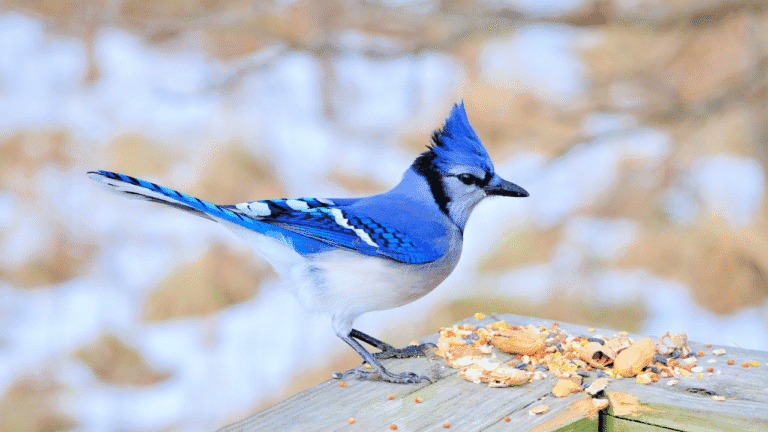
Blue Jay Spiritual Meaning Welcome — this guide explores the Blue Jay spiritual meaning and what a sighting...