
Mindfulness for Mental Well-being: Free Resources

Welcome to The Free Mindfulness Project — a public initiative focused on practical tools and accessible resources to improve mental well-being. This project provides free guided meditations, short practices, and expert advice designed to fit into busy schedules so people can build greater attention, emotional balance, and resilience in daily life.
Subscribe to our free newsletter for timely updates on the science behind mindfulness (including summaries of major reviews and studies), new guided meditation sessions, and straightforward tips you can use right away. Whether you have a few minutes each day or more time to devote to longer sessions, the project supports every stage of your meditation practice and helps you bring awareness to the present moment.
Research evidence — including systematic reviews of programs like Mindfulness-Based Stress Reduction (MBSR) — shows that consistent mindfulness practice can improve focus and attention, reduce stress and symptoms of anxiety and depression, and produce measurable benefits for both mind and body (for example, improved emotional regulation and reduced physiological stress markers). Try a short 5-minute breathing practice today to experience how even a small amount of time can shift your thoughts and feelings.
Key Takeaways
- Accessible resources: The Free Mindfulness org Project offers free, evidence-informed resources for mental well-being.
- Guided practices: Expert-led meditations and short daily practices make it easier to build a routine.
- Research-backed benefits: Mindfulness can improve attention, decrease stress and anxiety, and support overall health.
- Newsletter support: Our newsletter delivers updates, tips, and practical exercises to help you practice each day.
- Start small: Even a few minutes each day can help you connect with the present moment and notice changes in body and mind.
Understanding the Essence of Mindfulness org
Mindfulness connects ancient contemplative wisdom with contemporary research-backed practices. As an attention-training way of life, mindfulness helps people notice the present moment more clearly and develop steady awareness of thoughts, sensations, and emotions—skills that translate into improved clarity and focus in everyday life.
The Philosophy Behind Mindfulness
Rooted in long-standing contemplative traditions, mindfulness emphasizes being fully present rather than lost in ruminative thinking. Beyond a single meditation practice, it can become a habitual orientation: paying attention on purpose, with curiosity and without judgment. That simple shift in how we relate to mental events helps break reactive patterns and supports calmer, more intentional responses to stress.
Contemporary teachers and programs translate these principles into accessible practices—short pauses, breath-focused exercises, and informal checkpoints you can use throughout the day—to help people bring mindful awareness into routine activities.
The Science of Meditation and Mental Clarity
Research on mindfulness meditation shows consistent benefits for attention and cognitive control. Systematic reviews and meta-analyses of programs such as Mindfulness-Based Stress Reduction (MBSR) report small-to-moderate improvements in sustained attention and executive function after several weeks of regular practice. Studies also link mindfulness training to reduced reactivity in brain areas associated with stress and to strengthened networks involved in self-regulation.
“Meditation is not about stopping thoughts but learning to observe them without judgment.”
For newcomers, a brief attention exercise illustrates this point: sit for two minutes, breathe naturally, and count each exhale from one to five; if your mind wanders, note the thought and gently return to counting. This short practice trains attention and shows how small, regular efforts build mental clarity over time.
Overall, mindfulness meditation and related practices offer a practical, research-informed route for people who want to improve attention, reduce habitual reactivity, and cultivate greater presence in daily life.
Mindfulness org Guided Practices and Courses for Stress Reduction
Mindfulness org Guided Practices and Courses for Stress Reduction
Discover a curated collection of guided practices and structured courses designed to reduce stress and support everyday well-being. Our offerings range from quick, 5-minute meditations you can use during a busy day to longer, course-style programs that guide you through a progressive meditation practice at home. These resources are built so people can fit mindfulness into different rhythms of life—whether you have a little time between meetings or can commit to daily practice.
Free Meditations and Daily Coaching
Begin with our free meditations and short coaching prompts that help you build consistency. Free sessions focus on stress reduction and relaxation, using simple anchors like the breath or a brief body scan meditation to bring attention back to the present moment. Daily coaching emails or app nudges offer encouragement and micro-practices to keep your meditation practice on track.
Sessions typically range from 5 to 30 minutes so you can choose what fits your schedule; for example, try a 5-minute breathing anchor in the morning and a 15–20 minute guided body scan in the evening. Regular meditation practice supports better emotional regulation and focus, helping you respond to stressful situations with more calm.
Enhancing Wellness Through Regular Practice
For a deeper dive, our structured courses provide step-by-step curricula that introduce concepts, guided exercises, and reflection prompts over several weeks. These programs are ideal for people who want a systematic approach—expect modules on mindful breathing, body awareness, and integrating practices into daily routines.
Evidence from clinical programs such as MBSR suggests that consistent practice can reduce activity in stress-related brain circuits and lower subjective anxiety; our courses aim to translate that research into practical skills. Explore meditation courses for beginners to find a program that matches your availability and goals.
“Meditation is not about stopping thoughts but learning to observe them without judgment.”
How to start in three simple steps: 1) Pick a 5-minute guided practice (breathing anchor), 2) Do it at the same time each day for one week, 3) Add a 10–15 minute body scan meditation in week two. These small, consistent steps make stress reduction achievable and sustainable—helping you experience the benefits of mindfulness practice over time.
Empowering Transformation with Our Mindfulness Org

Empowering Transformation with Our Mindfulness Org
Apply practical mindfulness techniques tailored for modern life to manage anxiety, reduce stress, and strengthen the connection between your mind and body. These accessible practices help people notice sensations and feelings in the moment, build resilience, and respond to challenges with greater calm.
Exploring Mindfulness Techniques for Anxiety and Stress
Simple breath-based exercises are a cornerstone of many programs. Focused breathing anchors attention and can quickly down-regulate the nervous system when you feel overwhelmed. While studies vary, research has associated regular breathwork with lower physiological stress markers and improved emotion regulation.
Body scanning is another effective method: move your attention slowly through the body, noticing areas of tension without judgment and allowing sensations to soften. This practice helps release both physical and mental stress and increases interoceptive awareness—the ability to sense internal bodily states.
Integrating Breath, Body, and Emotion in Practice
Combine brief breathwork with a short body scan and gentle movement to harmonize breath, body, and emotions. A sample mini-routine:
- 4-4-4 breathing (inhale 4s — hold 4s — exhale 4s) for 2 minutes to center the mind.
- A 5–10 minute body scan: bring attention to the feet, legs, torso, hands, arms, shoulders, neck, and face—pause where you notice tension and breathe into it.
- Finish with 1–2 minutes of gentle stretching or mindful movement to reconnect with your body.
Clinical trials and meta-analyses of structured programs like MBSR report reductions in self-reported anxiety and improved well-being after several weeks of regular practice; these findings support using short, consistent exercises as part of a daily routine. Try a 5-minute breath practice now to feel how attention to the breath can change your experience in a small amount of time.
Incorporating Mindfulness org into Everyday Life

Incorporating Mindfulness org into Everyday Life
Bringing mindfulness into everyday routines helps you notice the present moment and respond to life with more clarity and calm. By tuning into your feelings and the signals from your body, you can turn ordinary activities into opportunities for awareness and growth.
Practical Tips for Living in the Present Moment
Start your day with a brief intention: take two deep breaths for 30 seconds and name one thing you want to carry into the day. This short practice sets a mindful tone without taking much time.
Throughout the day, practice micro-checks: pause for 60–90 seconds to notice your posture, breath, and any thoughts or feelings. Paying attention to these cues helps you catch automatic reactivity before it escalates.
“The present moment is the only time over which we have dominion.”
Actionable mini-practices you can try right now:
- Two-minute breathing break: inhale for 4 counts, exhale for 6 — repeat for 2 minutes to reset focus.
- Five-minute mindful eating: savor five bites of your meal, notice texture and flavor, and put your fork down between bites.
- One-minute body scan: notice feet → legs → hips → torso → shoulders → neck → face — soften any tight spots.
- Gratitude pause each evening: list three small things you noticed today that you’re thankful for.
One-week starter plan (small steps for habit-building):
- Day 1–2: Two-minute breathing break each morning.
- Day 3–4: Add a one-minute body scan after lunch.
- Day 5: Try a five-minute mindful eating practice at one meal.
- Day 6–7: Combine morning breathing + evening gratitude pause; reflect on changes in thoughts and feelings.
Research indicates that consistent practice reduces stress and improves mental clarity over time; these micro-practices are designed so people can fit mindfulness into even the busiest schedules. Try the five-day challenge to build momentum and notice the benefits in life and body—small, steady steps lead to lasting change.
Mindfulness org Innovative Tools Mindfulness Apps and Online Resources

Mindfulness org Innovative Tools Mindfulness Apps and Online Resources
Explore modern tools that put mindfulness practices on your phone, computer, or smart speaker so you can maintain a regular practice wherever you are. From guided meditations to course platforms and mindful radio streams, these resources make it easier to prioritize attention, reduce stress, and strengthen daily habits of awareness.
Accessing Guided Meditations and Mindful Radio
Guided meditations remain a practical entry point. Platforms like Insight Timer host thousands of free recordings led by experienced teachers, covering short 5-minute practices to longer sessions. If you prefer a softer, background approach, mindful radio or ambient guided streams can support focused work or relaxation without requiring a formal sit.
How to Choose an App or Platform
Quick tips to select the right tool:
- Pick session length that matches your schedule (5–10 minutes for busy days, 20–30 minutes for deeper practice).
- Look for teachers and programs with clear credentials and user reviews.
- Choose a program or course that focuses on what you need—stress reduction, sleep, or emotional regulation.
Recommended use-cases: try a short breathing anchor app for morning focus, a body-scan recording for sleep, or a course-based program when you’re ready for progressive learning. These program choices help ensure the technology supports, rather than distracts from, your practice.
Courses, Resources, and World-Class Teaching
For structured learning, many sites offer multi-week courses taught by experienced teachers that cover stress reduction, resilience, and mindful living. These programs provide a guided syllabus, daily practices, and reflections to help you build skills over time—it’s a good option if you want a systematic path rather than ad-hoc sessions.
Use our resources section to compare course formats and find a program that fits your time and goals. A short program of daily 10–20 minute practices for several weeks can produce meaningful improvements in how you manage stress and attention.
Staying Connected with Our Free Newsletter
Sign up for our free newsletter to receive curated resources, new guided practices, and teacher interviews delivered to your inbox. The newsletter highlights recommended apps, short practices you can try today, and occasional deep dives into the research behind mindfulness so you can choose the right tools for your life.
“Mindfulness is not just a practice; it’s a way of life. These tools make it accessible to everyone.”
By combining the right apps, guided meditations, and course programs with consistent small practices, mindfulness helps you build attention, cope with stress, and support wellbeing in everyday life. Try a short guided session from one recommended app during your next commute or break to see how these tools can help.
Conclusion
Embracing Mindfulness org and simple mindful practices can meaningfully improve mental and emotional well‑being. The Free Mindfulness org Project offers guided sessions, short daily exercises, and curated resources designed to fit into real life so people can build attention, reduce stress, and strengthen resilience over time.
Research indicates that regular mindfulness practice often leads to better focus, reduced anxiety, and measurable improvements in health markers when practiced consistently—many participants begin to notice changes within a few weeks of steady practice. Small, repeated efforts that bring attention to the present moment and the sensations in the body can add up to significant benefits for mood and clarity.
Ready to get started? Try a five‑minute breathing practice today or sign up for our free 7‑day starter series to build momentum. Explore our free resources and take one small step now—over time, these steps can transform daily life.
FAQ
What is the Free Mindfulness org Project?
How does meditation improve mental clarity?
Are there free resources available for beginners?
Can mindfulness help with anxiety and stress?
How can I integrate mindfulness into my daily life?
What tools are available for guided meditation?
How can I stay updated with new resources?
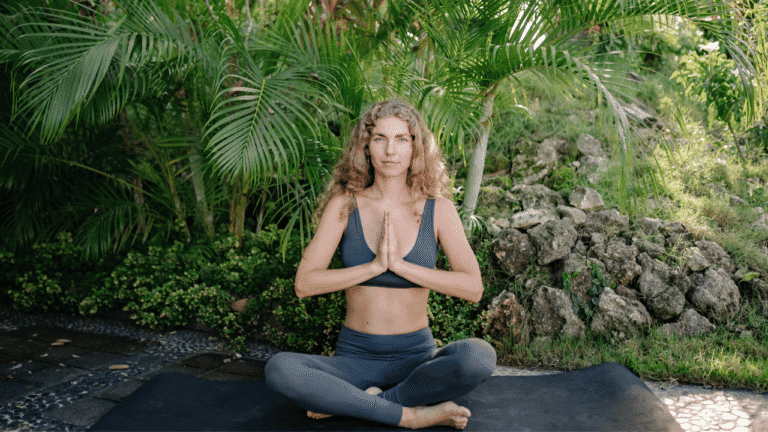
Hoodoo Spirituality Practice. This short guide introduces hoodoo as a living set of root work traditions...
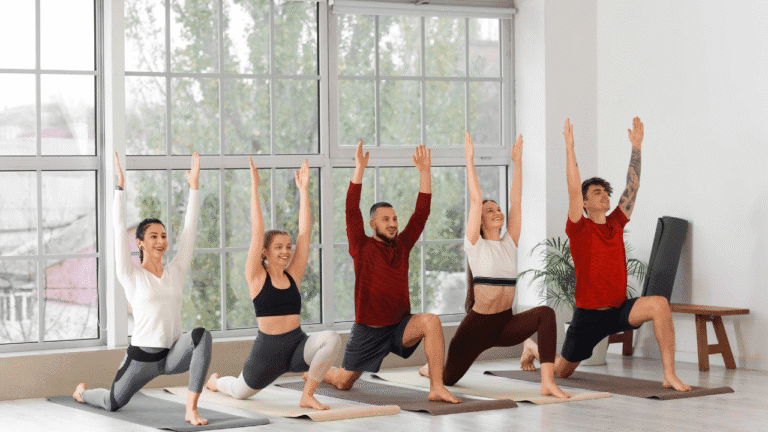
Spiritual Practice of Yoga. This guide invites you to see yoga as a living path, not only a workout....

Wolves carry rich layers of meaning across cultures and spiritual paths. As a prominent wolf spiritual...

Bee Spiritual Meaning, Bees carry deep, multilayered spiritual meaning across cultures — from practical...

Turn ordinary air into a practical tool that helps you steady attention and ease stress in real time.
Breathing...


