Skip to content
What Does The Color Blue Represent spiritually

What Does The Color Blue Represent spiritually? The color blue holds deep spiritual meaning across cultures and faiths. It stands for calmness, freedom, and loyalty, as well as sadness. Blue often symbolizes inner peace and the presence of the divine. It is linked to the throat chakra, guiding how we express ourselves and our honesty.
Blue is known to have a calming effect, which is why it’s a good choice for workspaces and bedrooms. When you wear blue, it can make you seem more confident and dependable.
Key Takeaways
- What Does The Color Blue Represent spiritually? Blue symbolizes tranquility, freedom, loyalty, and sadness.
- Spiritually, blue is linked to inner peace and divinity.
- The throat chakra, represented by blue, signifies self-expression and truth.
- Blue rooms can boost productivity and improve focus.
- Wearing blue during significant events can exude confidence and trust.
The Symbolism of Blue in Various Cultures
Blue is loved worldwide, with meanings that change depending on where you are. We will look at what blue symbolizes in the East, West, and in religions. It is interesting to see how it can stand for different things in various places.
Blue in Western Culture
In the West, blue means calm, trust, and dignity. Studies show it’s the top pick for a color. This is because it makes people feel peaceful. Light blue brings a calm vibe, while darker tones promise loyalty and smarts. Blue’s role in Western art and fashion shows it as graceful and steady, making it perfect for workplaces.
Blue in Eastern Culture
In the East, blue tells another story. In China, it points to the wood element, the East itself, and spring. It’s all about new beginnings and energy. Places like Japan and Korea see blues as healers and refresher. This can be seen in their clothes and modern art. India connects blue with gods like Krishna, who wears blue. It shows wisdom and endless possible. These beliefs about blue link to deep spiritual truths in the East.
Blue in Religious Practices
Blue has deep spiritual meaning in many faiths. In Christianity, it stands for heaven’s grace and purity. For Jews, a blue thread in their prayer shawls means something sacred. Islam finds protection and depth in blue, seen in their holy places. This shows how sacred blue is in many faiths around the globe.
| Region | Symbolism of Blue |
|---|---|
| Western Culture | Tranquility, dignity, reliability |
| Eastern Culture (China) | Wood, the East, spring |
| Eastern Culture (India) | Wisdom, knowledge |
| Latin America | Sky, freedom, infinity, mourning |
| Religious Practices (Christianity) | Piety, celestial grace |
| Religious Practices (Judaism) | Divinity, holiness |
Learning about blue in different cultures makes us value it more. From symbolizing forever in Latin America to peace in the West, blue is more than a color. It connects us across the globe in deep ways.
Psychological Effects of the Color Blue
Blue isn’t just a color. It deeply affects our mental health and feelings. It brings calmness, relaxation, and a sense of safety. This can help us feel better mentally.
Blue and Mental Health
Blue can make our bodies react in good ways. Studies show it can slow our heart rate and cool us down. This makes us feel calm. That’s why blue in workspaces can boost how well we work and think. So, using blue isn’t just for looks. It’s about making a peaceful place to work.
Blue and Emotional Response
But the story with blue isn’t always happy. It can bring peace and inspiration, or it can make us feel blue or distant. Even so, blue is widely loved around the world. In the U.S., 40% of men and 24% of women say it’s their favorite color. People really connect with blue on an emotional level.
How we feel about blue changes in different parts of the world. In Latin America, it’s about peace and sadness. But in North America, it means trust and power. This shows how the emotional pull of blue is varied and rich.
| Country | Emotional Association with Blue |
|---|---|
| United States | Trust, authority |
| Latin America | Mourning, tranquility |
| India | Truth |
Learning how blue impacts our minds and hearts is key. It helps us design places that support both our emotions and well-being.
The Role of Blue in Chakra Systems
Blue is a key color in chakra systems, especially for the throat chakra. In Sanskrit, the throat chakra is called Vishuddha, which means ‘purification.’ It’s all about clear communication and expressing yourself fully.
Throat Chakra
The throat chakra is often known as the blue chakra. It’s located at our throats. This chakra shows the importance of clear communication and truth. When this chakra works well, it helps join our feelings with our thoughts.
This balance lets us speak without fear. But, if our throat chakra is off balance, we might get things like sore throats or neck pains. This shows we need to work on balancing our chakra for better health.
Healing Properties
Blue is known for its calming effects, which are ideal for the throat chakra. Healing through meditation, yoga, and using certain crystals can help. Lapis lazuli and aquamarine are good for this.
Doing things like singing and speaking clearly can also help. You can wear blue or add it to your surroundings too. Throat chakra mantras and singing bowls are powerful for healing too.
| Practice | Effect on Throat Chakra |
|---|---|
| Meditation | Promotes calm expression of truth |
| Yoga Asanas | Helps balance and activate the chakra |
| Crystals (Lapis Lazuli, Aquamarine) | Aids in clear thought and spiritual growth |
| Singing/Chanting | Encourages self-expression and confidence |
| Positive Affirmations | Boosts communication and intuition |
| Sound Healing | Supports chakra alignment and tranquility |
What Does the Color Blue Represent Spiritually
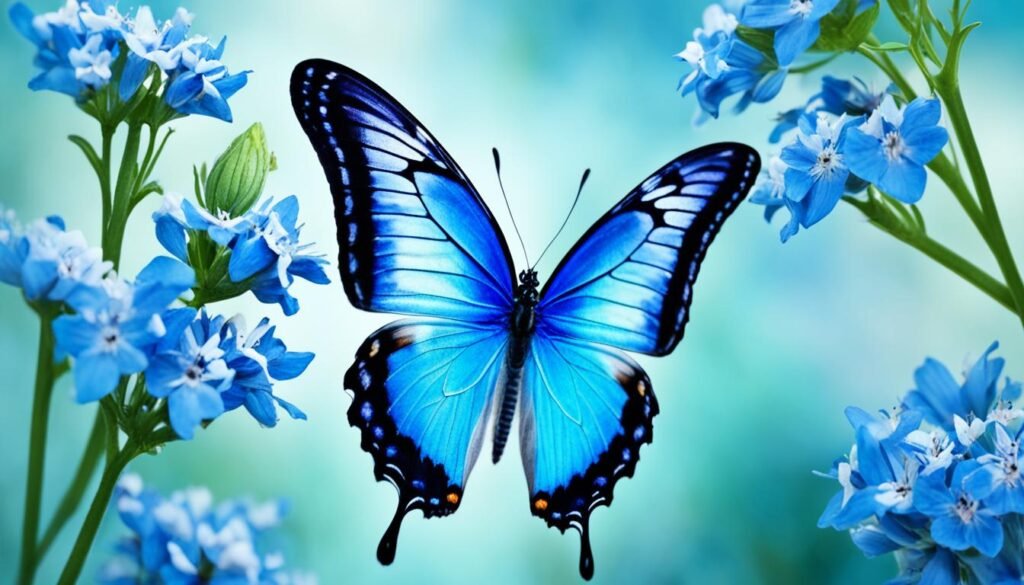
Blue has a deep and wide impact in spirituality. It’s known for its calming effect and rich meanings. The significance of blue color is key in many spiritual contexts. A 2018 study in Chinese Medicine showed blue can lower anxiety in college students from Pakistan. This finding shows its calming power.
When it comes to trust and peace, blue shines in spiritual topics. It’s linked with clear communication, especially in the throat chakra. This chakra governs how well we speak, show our feelings, and display the truth. This makes sense of the spiritual meaning of blue as promoting self-expression and honesty.
Feng shui experts note that blue brings calm into living spaces. It’s connected to peace, honesty, and being in tune with the spiritual. Also, a Journal of Business Research study found that shops painted blue were seen more positively. This suggests blue helps create a sense of safety and trust, very important in its spiritual meaning.
In readings of auras, a deep cobalt blue shows strong intuition and a spiritual nature. Yet, dark blues might point to issues with talking or showing emotions. Each shade of blue conveys a different message. Light blue, for example, is about speaking the truth. And indigo, a darker blue, is linked with deep wisdom and insight. Crystals like lapis lazuli and blue lace agate support these themes. They can help improve how we communicate and increase our spiritual understanding.
Blue’s spiritual role is vast and detailed, standing for peace, honesty, and self-understanding. It helps build trust, encourages taking responsibility, and aids in spiritual talks. The spiritual meaning of the color blue inspires peace and truth within us.
| Aspect | Spiritual Significance |
|---|---|
| Throat Chakra | Communication, Self-Expression, Truth |
| Feng Shui | Calm, Truth, Spiritual Attunement |
| Aura Colors | Deep Blue: Intuition, Spirituality; Murky Blue: Struggles with Self-Expression |
| Crystals | Lapis Lazuli: Expression; Blue Lace Agate: Tranquility |
Blue in Dreams and Its Meanings
Dreams with the color blue can mean many things. They might be good or bad. What blue symbolizes in dreams changes based on the shade and what’s happening.
Positive Blue Dreams
Blue dreams often bring peace and good feelings. Light blue in dreams can mean you’re clear-headed and hopeful. You might be feeling at peace or trying to find spiritual truths.
Seeing a clear blue sky in a dream can show hope for the future. It’s a sign that good things are coming. Light blue may also spark your creativity or desire for something new.
Around 35% of the time, blue dreams signal you’re stable emotionally. This can help you relax and find peace when you’re awake.
Negative Blue Dreams
Yet, dark blues in dreams are different. They can reflect sadness or feeling alone. Murky blues might show you’re not emotionally well. For some, these dreams point to issues like depression or spiritual emptiness.
Dreams about dark blue waters can mean you’re exploring your inner self. They might suggest it’s time for you to deal with deep feelings or problems.
Understanding blue dreams means looking at both their good and bad sides. Thinking about what blue stands for spiritually helps us see the message our dreams are sending.
Famous Blue Symbols in Religion and Art
Blue has always carried a lot of meaning in religious and artistic works. It represents deep spiritual feelings and cultural messages. Many ancient and new religions use blue to show these meanings.
Blue in Christian Iconography
Blue is key in Christian art, often seen on the Virgin Mary. It stands for truth and heavenly grace. During the twelfth century, blue was seen as new and innovative. This led to its increased use in church design.
Yet, the Church of England doesn’t consider blue a main liturgical color. However, it is special in the LLM role, making them stand out. Some churches even use Sarum Blue instead of purple during Advent and Lent. This shows how important blue is in Christian art and ideas.
Ancient Egyptian Use of Blue
In ancient Egypt, blue was very important. They started using it about 2,200 BC to symbolize fertility and the divine. They valued a blue pigment from lapis lazuli, as it was rare and expensive. This special stone was used to paint the gods, showing the importance of blue. By the Eighteenth Dynasty (around 1550 BC), they made a synthetic blue by mixing quartz, lime, copper, and natron. This shows how deeply spiritual and artistic Egyptians saw the color blue.
The use of blue in spiritual and artistic ways shows its deep link to the sacred. Its role has been key throughout history. Blue symbolizes many cultural meanings and continues to evolve in art.
The Impact of Blue on Productivity and Calmness
Adding blue to workspaces boosts productivity and creativity. Blue is known for its calming effects. This makes it perfect for a focused and calm office. It can even lower heart rates and body temperatures, supporting a serene atmosphere.
Blue in Workspace Design
Blue’s benefits can be seen through smart design. Offices painted blue often lead to happier, more productive staff. Using blue in design can also promote organization and lower stress. This makes for a better working space.
Boosting Productivity with Blue
Blue’s psychological pluses help people work better. Research shows those in blue rooms are more creative and efficient. Being a top favorite worldwide, blue is trusted and evokes peace. This makes it great for professional settings.
| Region | Associations with Blue |
|---|---|
| India | Truth, mercy, love |
| North America | Trustworthiness, soothing |
| UK | Tranquility, dignity |
| Western Europe | Reliability, responsibility, fidelity |
Adding blue to your workspace, from walls to decor, can enhance its calming effects. This leads to increased productivity and a peaceful office.
What does the color blue represent spiritually Blue in Nature and Its Spiritual Significance
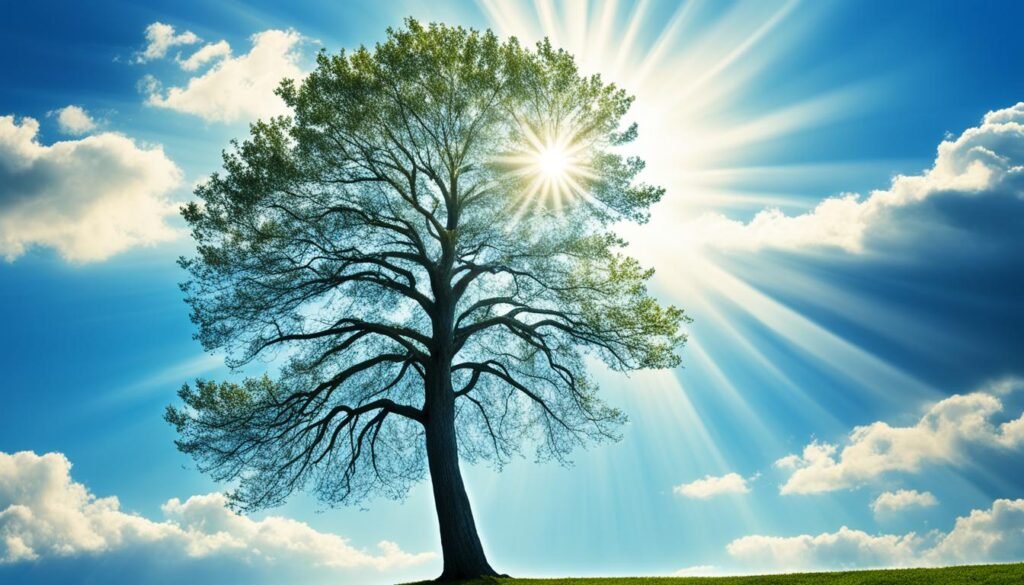
Blue is found everywhere in nature, showing its spiritual depth in many ways. The vast blue sky and ocean represent freedom, depth, and endless spiritual journeys. This deep link shows the spiritual meaning of blue in nature. Blue stands for open spaces, calm, and foreverness.
The Sky and the Ocean
The endless blue sky stands for the vast journey of the spirit. It means there are no limits, just freedom and open minds. This is what blue sky spirituality is about, offering a realm where thoughts and desires can be limitless.
The ocean’s blue reflects deep emotions and self-reflection. Its vastness is like the many layers of our feelings and spiritual growth. It speaks of an unending path of self-discovery and closeness with our true selves.
Blue Animals and Plants
Blue shows up seldom in animals, but it adds a special spiritual layer. Think of the Blue Jay’s feathers or the Blue Morpho butterfly’s wings. They aren’t only pretty; they stand for awareness, looking inside, and insight. This blue wildlife spirituality highlights blue’s role as a guide to truth and spiritual vision.
Blue flowers like bluebells and hydrangeas symbolize peace, health, and purity. They add to blue’s calming and soul-searching nature.
| Element | Spiritual Significance | Symbolism |
|---|---|---|
| Sky | Freedom, Boundlessness | Higher Consciousness |
| Ocean | Depth, Introspection | Emotional Journey |
| Blue Jay | Insight, Wisdom | Spiritual Clarity |
| Bluebell | Serenity, Healing | Purity |
Blue rarely seen in wildlife makes it all the more special and spiritually significant. These unique sights in nature show blue’s spiritual depth. They point out how deeply spiritual blue is, with profound meanings everywhere in life.
Blue as a Symbol of Trust and Loyalty
Blue often stands for trust and loyalty. It’s a top pick in many areas, from work to friends. When you see blue, you feel like you can count on something, whether it’s a job or a friend.
In work, blue is a hit for many reasons. It shows a person is responsible, reliable, and steady. That’s why you often see it in logos, outfits, and office colors. Professional blue clothes are great for looking capable at job interviews or big meetings. In the west, it’s like saying, “I’m as trustworthy as a police officer in blue.”
Blue in Professional Settings
The use of blue in professional settings is well-documented due to its ability to convey a sense of responsibility, dependability, and calm. This has led to the color’s widespread use in business logos, attire, and office design. Professional blue attire, for instance, is often chosen for job interviews and important meetings to foster a perception of competence and confidence. In Western cultures, this color is synonymous with blue color trustworthiness, similar to the trust placed in police officers who don blue uniforms.
Personal Relationships and Blue
Blue is also big in personal connections. It stands for being true and understanding in relationships, making them steady and safe. The link between love and the blue color is clear. Whether it’s the wide sky or deep ocean, blue tells a story of long-lasting trust and love.
But, blue’s meaning isn’t the same everywhere. In China, it’s about being wise and lasting forever, protecting from bad luck. In India, it’s linked to the God Krishna, meaning life after life. Knowing these stories makes blue even more interesting.
In general, blue is key for showing trust, loyalty, and a steady feeling. It’s a color loved by all for these important reasons. To learn more about blue’s special meanings and effects, check out this link.
Historical and Mythological Significance of Blue

Blue has always been a key part of myths and legends, showing divinity and moral values. In stories about Greek gods and Norse heroes, blue plays a significant role. For Native Americans, blue symbolizes the sacred and supernatural, often standing for protection and goodness.
Stories and Legends
Zeus in Greek myth rules the sky, showing blue as a color of ultimate power. Norse’s Thor, as the god of storms, also connects with blue, highlighting its meaning of strength and protection. These tales reflect blue’s consistent message of representing righteousness and godly qualities.
Native American myth sees blue as sacred too. Among the Navajo, blue represents the south, linking to water, sky, and life’s beginning. This use of blue shows it has always held deep spiritual and moral value.
Blue in Ancient Texts
In ancient times, blue often symbolized the divine. Egyptians associated blue with their gods, and their use of lapis lazuli in art showed its heavenly connections. The creation of Egyptian blue paint by the Egyptians is a key moment in blue’s history, marking its use in representing the sacred.
In the Middle Ages, blue changed from a color of the poor to a revered hue. Initially, blue dye came from woad plants, leading to a view of it as common. But, with the rise of the worship of the Virgin Mary, who was often depicted in blue, it gained a new meaning. Here, ultramarine blue, made from lapis lazuli, began to signify purity, humility, and virtue. This change shows how blue’s importance grew through spiritual and religious contexts.
Color Therapy and the Use of Blue
Color therapy, or chromotherapy, uses colors to boost health and well-being. Blue is especially known for its calming effects.
Chromotherapy Basics
Chromotherapy uses blue light to relax people and bring peace. It lowers heart rate and body temperature, making a calming atmosphere. Blue helps people relax, reduce stress, and improve focus.
Health Benefits of Blue
Blue is very beneficial in chromotherapy. It improves mood and can make spaces more appealing. Blue also fights anxiety and boosts mental health. It’s linked with calmness and healing, making it great for stress and depression.
Adding blue to your life is easy. You can wear blue, decorate with it, or use blue lights. These simple steps can help you feel more balanced and peaceful.
| Application | Benefits | Evidence |
|---|---|---|
| Blue Light Exposure | Reduces anxiety, improves mood | Study on college students |
| Blue Room Interiors | Favorable evaluations, higher purchase intentions | Journal of Business Research |
| Chromotherapy Sessions | Promotes relaxation, mental clarity | General chromotherapy practices |
Conclusion
What Does The Color Blue Represent spiritually? Blue’s spiritual importance is wide, reflecting qualities like peace, creativity, and depth across many cultures. It brings calmness and boosts focus. Blue also stands for trust and loyalty. This shows it’s significant in our lives in various ways.
Blue is known to improve mental health and work efficiency. It creates a peaceful, attentive atmosphere. Companies use blue to show they are trustworthy. It symbolizes strong connections in both personal and work life.
Blue’s spiritual value is deep, associated with higher awareness and peace within. It can connect us to higher powers and help us express ourselves. Thinking about blue helps us appreciate its calming and far-reaching meaning.
FAQ
What does the color blue represent spiritually?
What Does The Color Blue Represent spiritually? Blue symbolizes peace, loyalty, and sometimes sorrow. It’s linked to calmness, the expression of truth, and the divine. These meanings hold true in various cultures and beliefs.
How is blue symbolized in different cultures?
In the West, blue stands for calm and trust. Eastern cultures view it as a sign of immortality and spiritual sight. Indian culture sees blue as a holder of truth. Yet, in Latin America, it can mean sorrow.
What is the significance of blue in religious practices?
Many faiths prize blue. In Christianity, it shows devotion and heavenly favor. Judaism connects it to the divine. The ancient Egyptians considered blue linked to life and godly nature.
How does blue affect mental health?
Blue often makes us feel calm and secure, aiding in mental health. But, it might also make some feel sad. Studies have found blue can slow the heart and lower our temperature, which calms us down.
What role does the color blue play in chakra systems?
In chakra systems, blue serves the throat chakra, important for honesty and communication. Blue helps us speak our truth calmly, think clearly, and grow spiritually.
What are the different meanings of blue in dreams?
Dreaming of blue has varied meanings. Light blue dreams can bring comfort and peace. Yet dark blue ones might suggest a sense of gloom, loneliness, or emptiness.
How is blue used in art and religion?
Both art and religion often use blue to represent the divine. In Christian art, it means truth and heavenly blessings. Ancient Egyptians saw blue as the color of the gods and the heavens, highlighting its sacred nature.
How can blue impact productivity and calmness in a workspace?
Integrating blue into workspaces can boost efficiency and creativity. It makes for a calm environment that helps with organization and lowers stress, making tasks easier to handle.
What is the spiritual significance of blue in nature?
In nature, blue suggests vastness and freedom. Think of the sky and ocean. Its scarcity in living things makes blue a rare and sacred color.
How does blue symbolize trust and loyalty?
In work settings, choosing blue signals trust and reliability. It means the same in personal bonds, standing for loyalty, deep love, and mutual trust. This fosters a feeling of safety between people.
What is the historical and mythological significance of blue?
Blue carries divine and moral weight through history and myths. It stands for the sacred and lofty, woven into stories of protection, goodness, and spiritual ascent.
How is blue used in color therapy (chromotherapy)?
In color therapy, blue brings balance and peace. Its soothing nature aids in relaxing and reducing stress. Therapeutic sessions might use blue light or visualization to enhance mental well-being.
What Does Yellow Mean Spiritually Yellow is a radiant color with rich spiritual meaning: it commonly symbolizes joy, light, and mental positivity. Spiritually, yellow is linked to the solar plexus chakra and the intellect, and is often associated with self-confidence, creativity, and wisdom. Like any symbol, yellow can have a shadow side too—it may represent anxiety, jealousy, or timidity in some contexts. The color appears across dreams, love, personality profiles, and feng shui practices, and when used intentionally in daily life (for example, wearing a yellow scarf, adding a sunny accent pillow, or spending time in sunlight) it can support feelings of energy, learning, and fresh starts. Read on to explore yellow’s cultural history, dream meanings, role in relationships and personality, and practical feng shui uses.
Key Takeaways:Yellow represents joy, light, and mental positivity.
It symbolizes spontaneity, youthfulness, creativity, and wisdom.
Yellow can hold different symbolic meanings in dreams, love, personality, and feng shui.
Bringing more yellow into your life spiritually—through color, light, or decor—can foster action, learning, and new beginnings.
Yellow is associated with the solar plexus chakra, influencing self-worth, authenticity, and confident expression.Yellow Symbolism in History and Culture
Yellow has played an important role across many cultures, carrying layered symbolic meanings that range from material wealth to spiritual light. In ancient religious and court contexts the color often signified opulence, abundance, and prestige—worn by elites or used in sacred art to signal prosperity and divine favor.
Beyond material associations, yellow has long been linked with joy, clarity, and intellectual energy. Like gold or honey, yellow has suggested abundance and pleasure, while also connoting enlightenment, knowledge, and spiritual illumination in a variety of traditions. These meanings show how a single color can bridge earthly prosperity and inner wisdom.
The Symbolism of Yellow in Different Civilizations
Across civilizations, yellow’s meanings adapted to local beliefs and institutions. Below are representative associations that illustrate its cultural breadth:CivilizationSymbolic Meaning of YellowAncient Egypt
Yellow represented the sun, nourishment, and immortality. It was associated with the god Ra, symbolizing divine power and rebirth.Ancient China
Yellow was considered a prestigious color tied to imperial authority and power; it signified royalty, centrality, and prosperity.Ancient Greece
Yellow was connected with gods such as Apollo, associated with light, healing, creativity, and intellectual pursuits.Ancient Rome
Yellow evoked the sun and vitality — a color linked to life force, triumph, and occasionally to divine figures like Apollo.These historical examples show how yellow can mean both worldly abundance and spiritual illumination depending on context. Today the color still appears in national symbols, religious art, and ceremonial dress—a living thread from ancient meanings of prosperity and wisdom to modern expressions of joy and cultural identity.
What Does Yellow Mean SpirituallyThe symbolism of yellow in dreams is personal but often points to positive mental states or important signals from your subconscious. Bright, vivid yellow hues typically suggest joy, clarity, and creative energy, while muted or muddy yellows can carry caution or unease. To interpret yellow in a dream, note the shade, location, and the feelings you experienced—these details help reveal the spiritual meaning behind the color.
Positivity and Contentment
Vibrant yellow often reflects joy, optimism, and a sense of satisfaction in waking life. If you dream of warm, luminous yellow light or sunlit scenes, it can indicate a period of emotional uplift, renewed hope, or growing happiness.
Intellect and Creativity
Yellow is closely tied to the mind and intellect, so dreaming of yellow can signal new ideas, problem-solving breakthroughs, or creative inspiration. A sudden flash of yellow in a dream might mirror an “aha” moment or heightened mental clarity.
Alertness and Awareness
Because yellow attracts attention, it can represent heightened awareness or a prompt to pay attention. Dreams featuring signs, clothing, or objects in yellow may be asking you to notice details or opportunities you’ve overlooked.
Caution or Warning
Faded, sickly, or muddy yellow shades can suggest caution, anxiety, or feelings of insecurity. In these cases, yellow may be urging you to slow down, examine risks, or address unresolved worries.
Quick journal prompts to interpret your yellow dream: What shade of yellow did you see? Where did it appear? How did it make you feel? For example, dreaming of a bright yellow sunflower in an open field likely points to joy and growth, whereas a dim yellow light in a closed room may signal caution or unease. Note the context, trust your intuition, and use these observations to uncover the spiritual meaning of yellow in your dreams.
Yellow Symbolism in Love
In matters of the heart, yellow often signals excitement, hope, and a sunny outlook on relationships. The color evokes the freshness of new romance—the initial spark, curiosity, and the optimistic energy that comes with seeing the world through new eyes. Because yellow is associated with light and warmth, it can bring an uplifting, joyful tone to love and connection.
Yellow can also represent empowerment and activity in relationships: it suggests an openness to growth, playful communication, and the courage to express feelings. Someone drawn to yellow or perceived to have a yellow aura often projects charisma, confidence, and approachability—traits that naturally attract others.
That said, cultural context matters. For example, yellow roses commonly symbolize friendship and joy in many Western traditions, which makes them a gentle, optimistic choice early in a relationship. But color meanings vary worldwide, so be mindful of local interpretations when gifting or decorating.
How to Use Yellow in Relationships
Try small experiments to see how yellow affects your romantic energy: wear a yellow accessory on a date to boost confidence, place a yellow candle on your dining table to invite warmth, or send yellow flowers to express optimistic intentions. These simple acts can subtly shift mood and invite more light into a partnership.
Yellow in Love: Key TakeawaysYellow symbolizes excitement, hope, and a positive outlook on relationships.
It represents the joy of seeing the world through new eyes and fresh possibilities.
Yellow often signals new, active, and empowering phases in love.
A yellow aura may draw others because of charisma, confidence, and warmth.
Using yellow intentionally—gifts, clothing, decor—can help nurture optimism and connection.Yellow Symbolism in Personality
If you resonate with yellow, it often points to a mind that craves stimulation and variety. In symbolic personality frameworks (not clinical diagnoses), dominant yellow types tend to be logical, curious, and intellectually driven—people who enjoy debate, puzzles, and learning new things.
Those with a yellow aura typically project joy, clear communication, and confidence. They value humor and bright conversation, and they’re often drawn to partners and friends who can match their wit and curiosity. Yellow personalities may excel in fields that reward analytical thought and creativity, such as research, teaching, writing, or scientific work.
The Qualities of a Yellow PersonalityLogical and analytical
Curious and knowledge-seeking
Intellectual and idea-driven
Open-minded and communicative
Positive and charismaticPotential pitfalls include impatience, worry, or overthinking. Simple grounding practices—short mindfulness breaks, time in nature, or steadying breathwork—can restore balance. Quick self-check: do you prefer mental challenges, love sharing ideas, and feel energized by bright, creative projects? If yes to most, you likely identify with many yellow traits.
Yellow Symbolism in Feng Shui
In feng shui, yellow is valued as a bright, stabilizing color that can invite positive energy, prosperity, and mental clarity into the home when used with intention. While results are subjective and depend on belief and context, many practitioners use yellow to activate areas of the space associated with knowledge, relationships, and abundance.
Different Bagua maps and feng shui schools label corners differently; the guidance below follows a common Western Bagua interpretation. Placing yellow accents in the northeast (knowledge & self-cultivation area) supports intellectual growth and inner wisdom. Adding yellow to the southwest (relationship area) can warm the energy of partnerships and encourage connection.
Practical, low-risk ways to introduce yellow into your home: paint a small accent wall, add cushions or a throw in a soft yellow, or use warm yellow lighting (lamps or candles). Use bright or neon yellow sparingly—subtle, warm yellows (mustard, honey) usually promote comfort and balance better than intense shades.
The significance of yellow in feng shui
To harness the spiritual meaning of yellow in your home, set a clear intention for the corner or room before changing decor. Decide whether you want to invite knowledge, create more warmth in relationships, or cultivate prosperity, then choose yellow elements that support that goal.
Try a 7-day yellow experiment: pick one corner (northeast for study/learning or southwest for relationships), add a small yellow item, and journal any shifts in mood, clarity, or connection. Small adjustments and mindful observation help you evaluate whether the color brings the balance and growth you seek.Yellow Symbolism in Feng ShuiSpiritual MeaningSignificanceAttracts good fortune and prosperity
Represents brightness, warmth, and joy
Enhances positive energy and abundancePlacing yellow in the northeast promotes knowledge and self-cultivation
Stimulates intellectual growth and wisdom
Establishes a deeper connection with inner selfIntroducing yellow to the southwest enhances passion and love
Fosters warmth, joy, and romantic connection
Nurtures harmonious relationshipsConclusion
What Does Yellow Mean Spiritually — Yellow carries a warm, uplifting spiritual meaning. It commonly symbolizes joy, optimism, and mental positivity while also representing spontaneity, youthfulness, and creativity. Linked to the solar plexus chakra, yellow often relates to self-confidence, clear communication, and personal power; in symbolic systems it can help people feel more authentic and motivated to act.
Embracing the spiritual meaning of yellow is about inviting more light, clarity, and hopeful energy into daily life. Whether you notice yellow in dreams, in relationships, in personality frameworks, or in the corners of your home, the color tends to uplift, encourage growth, and support transformation. At the same time, be mindful that yellow’s shadow aspects (anxiety, jealousy, timidity) are part of its full meanings—acknowledging both sides creates a balanced approach to its use.
Try one small practice: add a yellow mug to your morning routine, wear a yellow accessory when you want extra confidence, or place a small yellow object in the northeast of your home to invite knowledge and clarity. Observe how these simple acts affect your mood, creativity, and connection with others—then adjust intentionally.FAQWhat Does Yellow Mean Spiritually?
Yellow holds symbolic spiritual meaning across many traditions: joy, light, mental clarity, and optimism. It is commonly associated with the solar plexus chakra, intellect, and self-worth. While yellow often supports confidence and creative energy, it can also signal worry or caution in certain contexts.
What is the symbolism of yellow in history and culture?
Historically, yellow has signified wealth, prestige, and divine light in various cultures—used in royal garments, religious art, and ceremonial objects. It has also symbolized knowledge, enlightenment, and abundance, though specific meanings vary by culture and period.
What is the symbolism of yellow in dreams?
In dreams, bright yellow usually points to positivity, insight, or creative ideas; muted yellow can indicate caution, anxiety, or unresolved concerns. Consider the shade, context, and feelings in the dream to interpret its spiritual message.
What is the symbolism of yellow in love?
Yellow in love often represents hope, excitement, and fresh beginnings. It suggests warmth, playful connection, and an optimistic outlook—though cultural differences (for example, floral meanings) can change how yellow is perceived.
What is the symbolism of yellow in personality?
If yellow resonates with you, it commonly indicates a curious, intellect-oriented temperament—someone energized by ideas, communication, and mental growth. These symbolic personality profiles are frameworks for insight, not clinical diagnoses.
What is the symbolism of yellow in feng shui?
In feng shui practice, yellow can invite prosperity, warmth, and positive energy. Strategic placement—such as adding yellow accents to knowledge or relationship corners—aims to promote growth, balance, and connection, though results are subjective and depend on intention.
What is the spiritual significance of the color yellow?
Overall, yellow’s spiritual significance centers on joy, hope, and mental clarity. It supports creative expression, personal growth, and energetic transformation when used with mindful intent. Incorporating yellow thoughtfully can brighten your life and nurture a sense of purpose and connection....
Rain is more than water falling from the sky — it often functions as a sign of renewal, a bridge between...
Full Moon Insomnia Spiritual Meaning Every full moon, many people notice they can’t sleep — a pattern...

Spiritual Meaning of Green Colors carry layered meanings, and green especially resonates with themes...
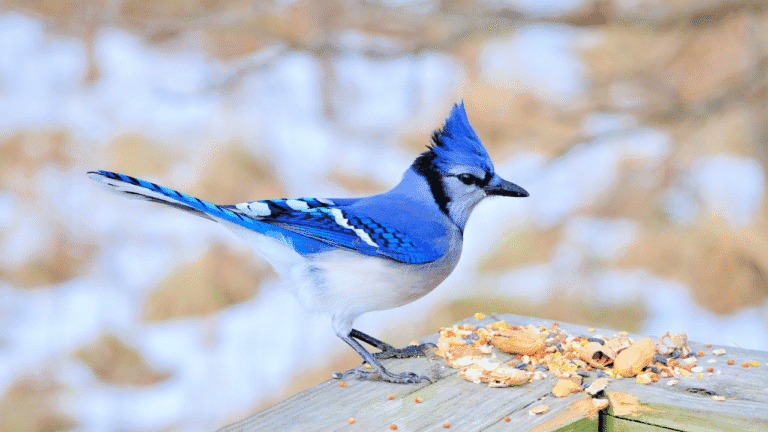
Blue Jay Spiritual Meaning Welcome — this guide explores the Blue Jay spiritual meaning and what a sighting...